What does Leviticus 22:21 mean?
“And whosoever offereth a sacrifice of peace offerings unto the LORD to accomplish his vow, or a freewill offering in beeves or sheep, it shall be perfect to be accepted; there shall be no blemish therein.” — Leviticus 22:21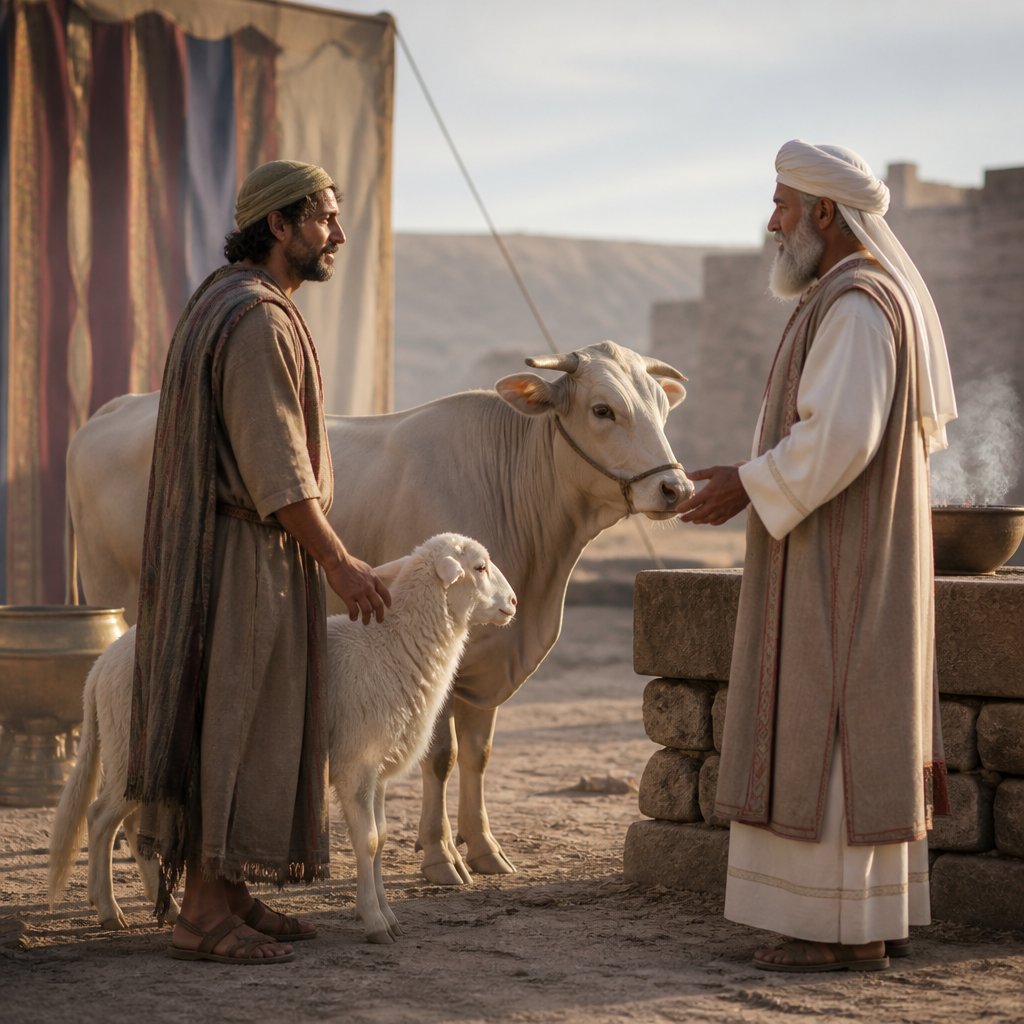
Leviticus 22:21 (KJV) states, "And whosoever offereth a sacrifice of peace offerings unto the Lord to accomplish his vow, or a freewill offering in beeves or sheep, it shall be perfect to be accepted; there shall be no blemish therein." This verse is a part of the set of regulations and guidelines given by God to the Israelites through Moses for the various types of offerings and sacrifices to be made in worship to Him. The passage discusses the requirement for the sacrificial animal to be without blemish or defect in order to be accepted by God.
The theme of perfection and holiness is prominent in this verse. The expectation for the sacrificial animal to be "perfect" reflects the understanding that God only accepts offerings that are whole and unblemished. This requirement communicates the idea that God deserves the very best and purest offerings from His people. It also emphasizes the importance of reverence and honor in approaching God through sacrificial rituals. The concept of perfection also extends to the idea that the sacrificial animal is a representation of the worshipper's sincerity and devotion to God. It serves as a physical demonstration of the worshipper's commitment to offering their best to God.
Furthermore, the verse highlights the nature of the offerings as acts of obedience and dedication. The mention of "to accomplish his vow" and "freewill offering" suggests that the offerings are made willingly and purposefully by the worshipper, and not done out of compulsion or obligation. This reflects the idea that the act of offering sacrifices is an intentional and personal expression of faith and commitment to God. It also conveys the importance of fulfilling one's vows and promises to God, as well as giving out of a generous and willing spirit.
The context of Leviticus 22:21 is deeply embedded within the sacrificial system prescribed in the book of Leviticus. The sacrificial system was an integral part of the religious worship and rituals of the Israelites, and it served as a means for the people to atone for their sins, express gratitude, seek forgiveness, or fulfill vows to God. The specific regulations outlined in Leviticus provided a framework for the proper and acceptable way to approach God through offerings and sacrifices.
The symbolism in this verse is multifaceted. The requirement for the sacrificial animal to be without blemish symbolizes the idea of purity and innocence. The offering of a perfect and unblemished animal serves as a representation of the worshipper's desire to present the best of what they have to God. Additionally, the sacrificial system itself serves as a symbol of God's grace and mercy, as it provided a means for the people to seek reconciliation with God and find forgiveness for their sins.
In a broader sense, this verse points to the spiritual and moral implications of offering sacrifices to God. It emphasizes the importance of approaching God with sincerity, reverence, and a heart willing to give the very best. It also underscores the significance of fulfilling one's commitments and promises to God. This verse ultimately reminds believers of the importance of offering their lives as living sacrifices to God, as Paul writes in Romans 12:1, "I appeal to you therefore, brothers, by the mercies of God, to present your bodies as a living sacrifice, holy and acceptable to God, which is your spiritual worship" (ESV).
In conclusion, Leviticus 22:21 is a verse that conveys the themes of perfection, dedication, and obedience in the context of offering sacrifices to God. It speaks to the significance of approaching God with reverence and sincerity, as well as the importance of fulfilling vows and promises made to Him. The verse also holds symbolic value in its representation of the worshipper's desire to give the very best to God, as well as the sacrificial system as a reflection of God's grace and mercy. Overall, this verse serves as a reminder of the spiritual and moral implications of offering sacrifices to God and the significance of living a life dedicated to Him.
Get our apps


Artwork for Leviticus 22:21

Leviticus 22:21 - "And whosoever offereth a sacrifice of peace offerings unto the LORD to accomplish his vow, or a freewill offering in beeves or sheep, it shall be perfect to be accepted; there shall be no blemish therein."
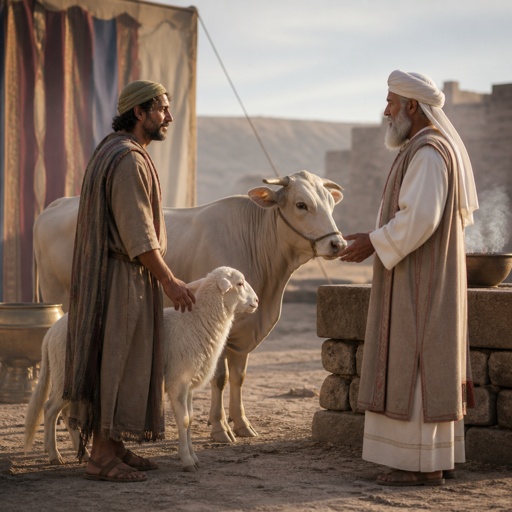
"And whosoever offereth a sacrifice of peace offerings unto the LORD to accomplish his vow, or a freewill offering in beeves or sheep, it shall be perfect to be accepted; there shall be no blemish therein." - Leviticus 22:21

Leviticus 21:22 - "He shall eat the bread of his God, both of the most holy, and of the holy."
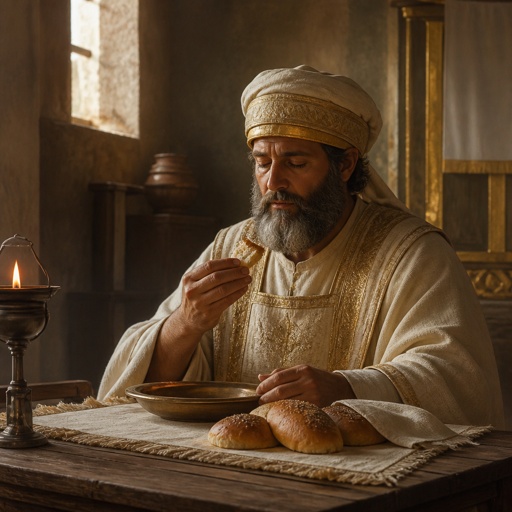
"He shall eat the bread of his God, both of the most holy, and of the holy." - Leviticus 21:22
Leviticus 11:22

Leviticus 23:21

Leviticus 23:21

Leviticus 23:21

Leviticus 23:21

Leviticus 23:21

Leviticus 23:21

Leviticus 21:19 - "Or a man that is brokenfooted, or brokenhanded,"

Leviticus 23:15-22

Leviticus 23:17-22

Leviticus 22:17 - "¶ And the LORD spake unto Moses, saying,"

Leviticus 7:22 - "¶ And the LORD spake unto Moses, saying,"

Leviticus 22:1 - "And the LORD spake unto Moses, saying,"

Leviticus 22:26 - "¶ And the LORD spake unto Moses, saying,"

Leviticus 21:16 - "¶ And the LORD spake unto Moses, saying,"

Leviticus 18:22 - "Thou shalt not lie with mankind, as with womankind: it is abomination."

Leviticus 21:13 - "And he shall take a wife in her virginity."

Matthew 9:21-22

Leviticus 20:22-26 simple picture

Picture to summarize Leviticus 20:22-26

Matthew 9:21-22

Matthew 9:21-22

Matthew 9:21-22

Matthew 9:21-22

"Or a man that is brokenfooted, or brokenhanded," - Leviticus 21:19

Genesis 21:22