The Lesson of Holiness: Understanding Leviticus 8:17
“But the bullock, and his hide, his flesh, and his dung, he burnt with fire without the camp; as the LORD commanded Moses.” — Leviticus 8:17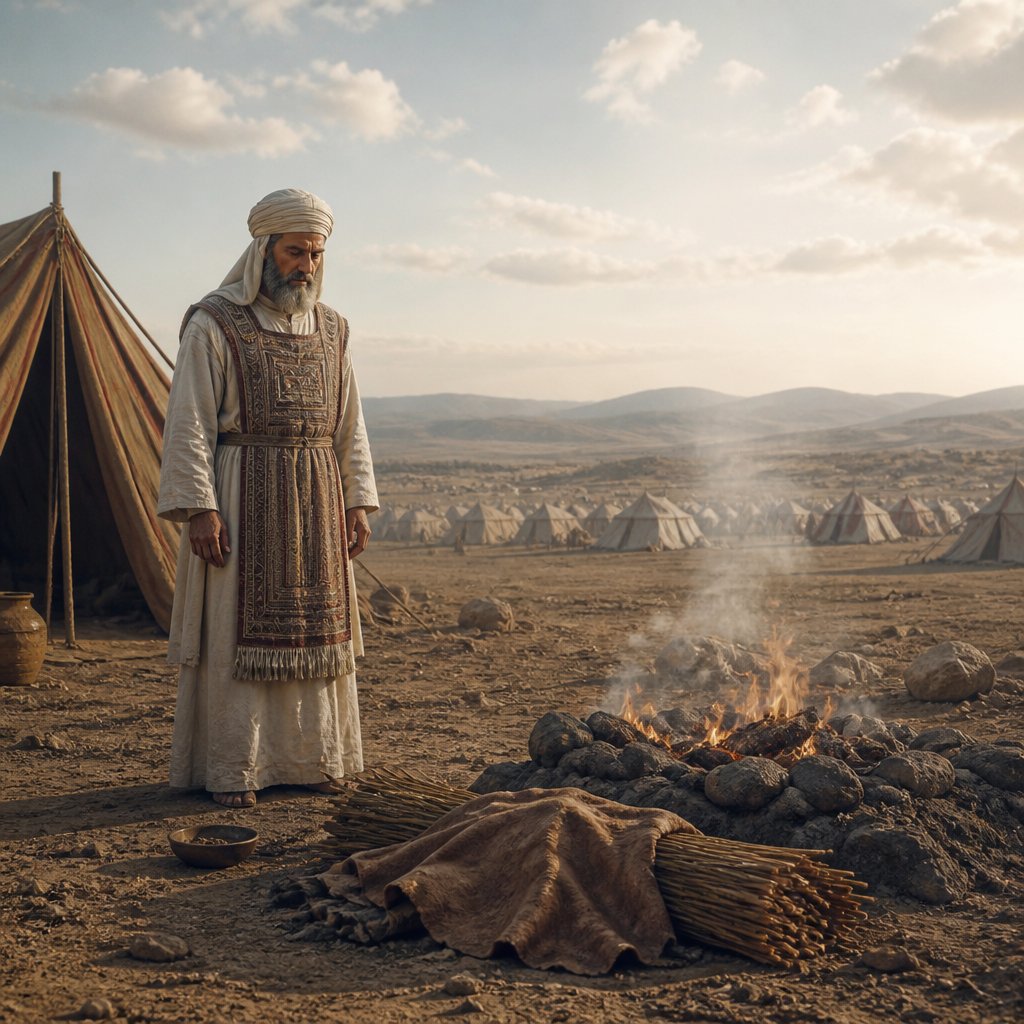
In Leviticus 8:17, we read, "But the bullock, and his hide, his flesh, and his dung, he burnt with fire without the camp; as the LORD commanded Moses." At first glance, this verse may seem to convey a ritualistic aspect of ancient Israelite worship, filled with instructions that appear archaic and disconnected from our modern lives. However, within this seemingly simple command lies profound spiritual truths about holiness, sacrifice, and God’s intentional design for His people.
Understanding this verse begins with recognizing the context. The book of Leviticus focuses on the laws and rituals that govern the Israelites' relationship with a holy God. Moses was instructed to carry out specific rites to ordain Aaron and his sons as priests, marking them as set apart for God’s service. The burning of the bullock—and everything associated with it—outside the camp signifies the serious nature of sin and the necessary approach to holiness. In the broader narrative, animals such as the bullock symbolize the sacrifices made for sin, pointing to the ultimate sacrifice of Jesus Christ, the Lamb of God.
The act of burning the bullock and its associated parts outside the camp reflects several key themes.
**1. The Cost of Sin:** Firstly, the bullock represents the weighty cost of sin. In the presence of a holy God, sin cannot merely be overlooked. It requires a sacrifice to atone for it, echoing the message found throughout Scripture that without the shedding of blood, there is no remission of sin (Hebrews 9:22). The bullock’s being burned suggests that sin must be completely consumed and removed; it cannot be allowed to dwell within the camp, or in other words, within the community of believers. This illustrates the gravity of sin, which must be dealt with decisively.
**2. The Concept of Purity:** The phrase "without the camp" signifies a separation from the purity of God's presence. The Israelites lived in close proximity to the Holy One, and anything that was unclean or sinful had to be removed from their midst. In our individual walks with God, this can serve as a challenging reflection. Are there aspects of our lives that need to be expelled from our hearts? Are there attitudes or behaviors we are clinging to that take us away from the holiness that God desires for us? This verse invites us to examine our lives with a discerning heart and a willingness to act.
**3. Obedience to Divine Command:** Finally, the directive that Moses act "as the LORD commanded" underscores the importance of obedience in our relationship with God. The act of burning the bullock was not merely a ritual; it was a specific task that required Moses to follow God's command diligently. In a world that often embraces a personalized understanding of faith, we are reminded that God’s ways are higher than our ways (Isaiah 55:8-9). Obedience is crucial in our walk of faith, for it reflects our trust in His perfect plan and His deeper understanding of what it means to live in alignment with His holiness.
**4. Foreshadowing Christ:** It is also essential to recognize that these Old Testament rituals foreshadow deeper spiritual truths revealed in the New Testament. The bullock’s sacrifice prefigures the ultimate sacrifice of Jesus Christ, who was crucified outside the city (Hebrews 13:12), bearing our sins and making it possible for us to approach the throne of grace. He has enabled us to embrace holiness not through our own deeds but through His righteousness imparted to us.
In reflection, Leviticus 8:17 serves as a sobering reminder that our walk with the Lord is intended to be marked by holiness, resolved through sacrifice, underscored by diligent obedience, and wholly fulfilled in the grace of Jesus Christ. As we consider this passage, let us seek to live lives that reflect His holiness, embrace the cost of sin, and strive for obedience in every command He gives. May we ever be mindful of the grace that has been extended to us, reveling in the freedom it brings, and the call it places on our hearts to separate ourselves from anything that would hinder our relationship with Him.
Get our apps


Artwork for Leviticus 8:17

Leviticus 8:17 - "But the bullock, and his hide, his flesh, and his dung, he burnt with fire without the camp; as the LORD commanded Moses."
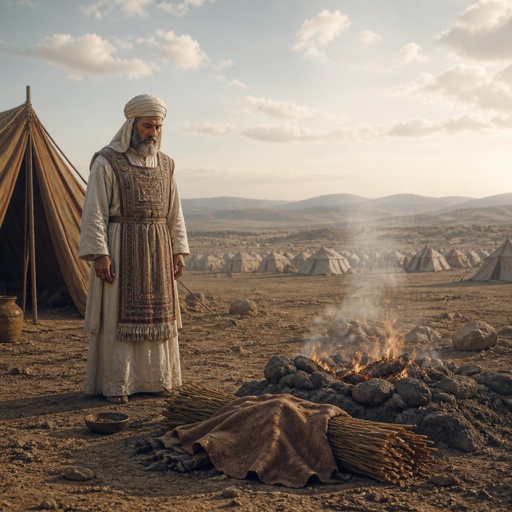
"But the bullock, and his hide, his flesh, and his dung, he burnt with fire without the camp; as the LORD commanded Moses." - Leviticus 8:17

Leviticus 17:8 - "¶ And thou shalt say unto them, Whatsoever man there be of the house of Israel, or of the strangers which sojourn among you, that offereth a burnt offering or sacrifice,"

Leviticus 17:7

Leviticus 23:17-22

Leviticus 11:17 - "And the little owl, and the cormorant, and the great owl,"

Leviticus 22:17 - "¶ And the LORD spake unto Moses, saying,"

Leviticus 16:8

Leviticus 8:30

Leviticus 17:1 - "And the LORD spake unto Moses, saying,"
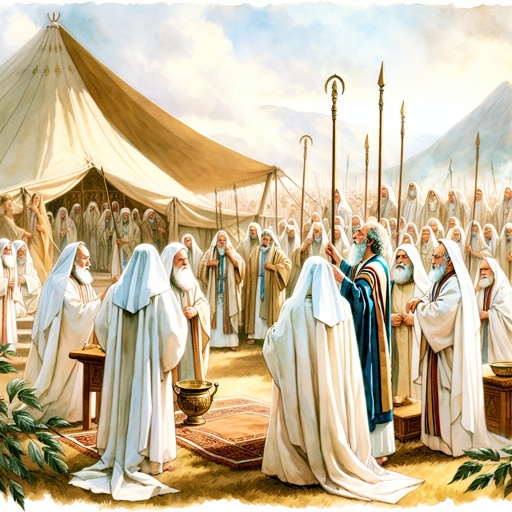
Leviticus 8:1-12

Leviticus 8:8 - "And he put the breastplate upon him: also he put in the breastplate the Urim and the Thummim."

Leviticus 7:17 - "But the remainder of the flesh of the sacrifice on the third day shall be burnt with fire."

Leviticus 6:8 - "¶ And the LORD spake unto Moses, saying,"
Leviticus 10:8 - "¶ And the LORD spake unto Aaron, saying,"

Leviticus 24:17 - "¶ And he that killeth any man shall surely be put to death."

Leviticus 8:1 - "And the LORD spake unto Moses, saying,"
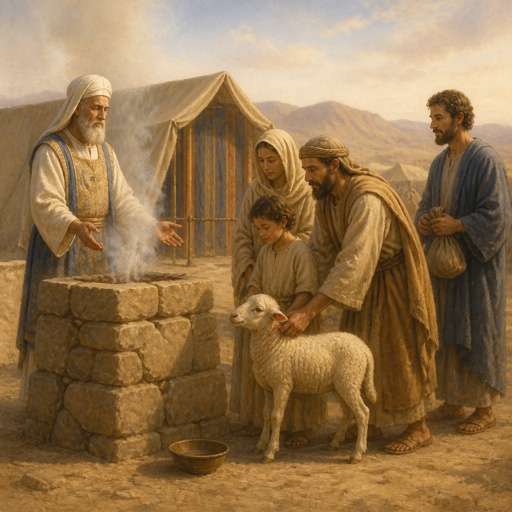
"¶ And thou shalt say unto them, Whatsoever man there be of the house of Israel, or of the strangers which sojourn among you, that offereth a burnt offering or sacrifice," - Leviticus 17:8

Leviticus 8:32 - "And that which remaineth of the flesh and of the bread shall ye burn with fire."

Leviticus 15:17 - "And every garment, and every skin, whereon is the seed of copulation, shall be washed with water, and be unclean until the even."

Leviticus 17:3 - "What man soever there be of the house of Israel, that killeth an ox, or lamb, or goat, in the camp, or that killeth it out of the camp,"

Leviticus 8:6 - "And Moses brought Aaron and his sons, and washed them with water."

Leviticus 8:19 - "And he killed it; and Moses sprinkled the blood upon the altar round about."

Leviticus 8:3 - "And gather thou all the congregation together unto the door of the tabernacle of the congregation."

Leviticus 8:5 - "And Moses said unto the congregation, This is the thing which the LORD commanded to be done."

Leviticus 27:17 - "If he sanctify his field from the year of jubile, according to thy estimation it shall stand."

Leviticus 17:16 - "But if he wash them not, nor bathe his flesh; then he shall bear his iniquity."

"¶ And the LORD spake unto Moses, saying," - Leviticus 22:17

"And the LORD spake unto Moses, saying," - Leviticus 17:1

"And the little owl, and the cormorant, and the great owl," - Leviticus 11:17