What does Leviticus 8:17 mean?
“But the bullock, and his hide, his flesh, and his dung, he burnt with fire without the camp; as the LORD commanded Moses.” — Leviticus 8:17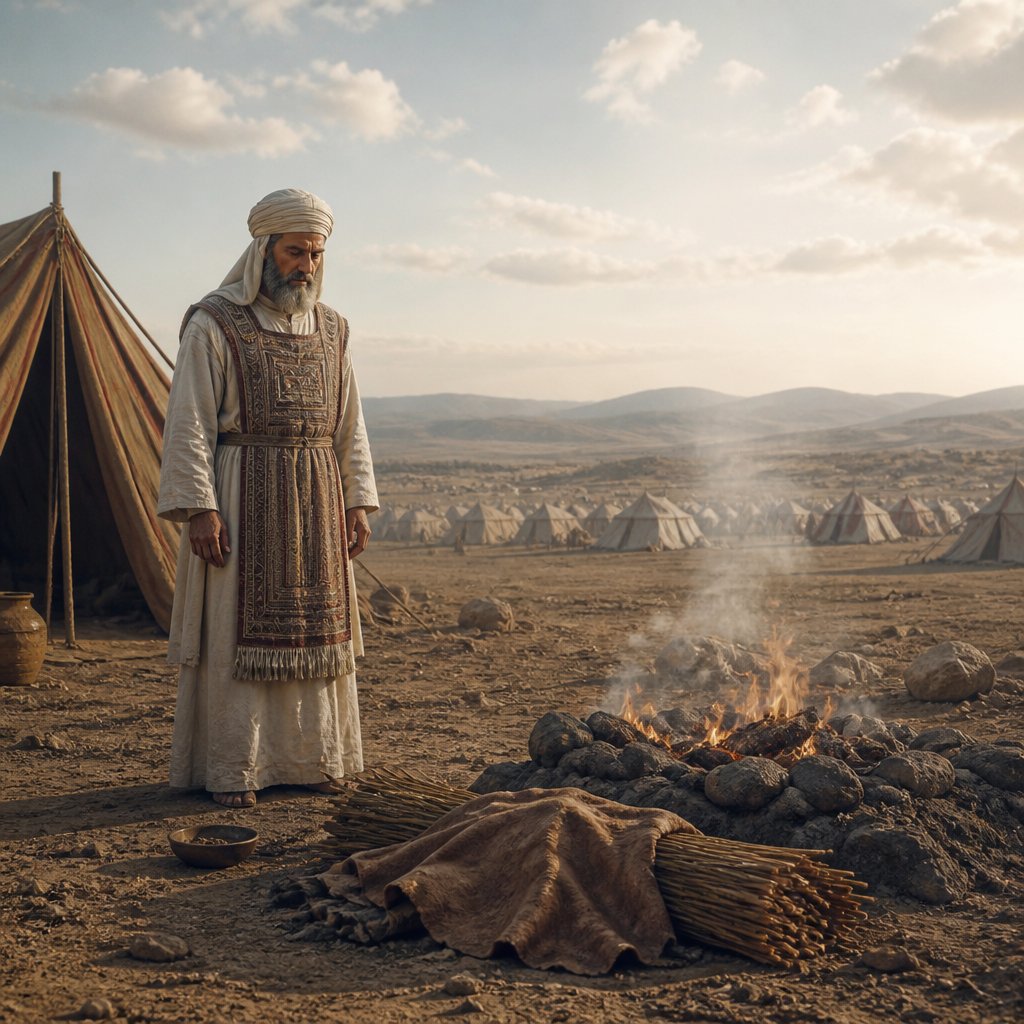
Leviticus 8:17 (KJV) states, "But the bullock, and his hide, his flesh, and his dung, he burnt with fire without the camp; as the Lord commanded Moses."
This verse is found within the context of the ordination of Aaron and his sons as priests. In the previous verses, God had given Moses specific instructions on how the ordination ceremony was to be carried out, including the sacrifices that were to be made. This particular verse describes the burning of the bullock, its hide, flesh, and dung outside of the camp.
One of the central themes of Leviticus is the importance of holiness. The book outlines various laws and regulations given by God to the Israelites, with a particular emphasis on maintaining purity and holiness in their worship and daily lives. The ordination of Aaron and his sons as priests was a crucial event in the establishment of the priesthood and the maintenance of holiness within the community. This verse emphasizes the necessity of following God's commands precisely, without deviation.
The burning of the bullock, along with its hide, flesh, and dung, was a symbolic act with deep spiritual significance. The act of burning symbolized purification and the removal of impurities. The fact that this burning took place outside of the camp further emphasizes the idea of removing impurity from the community and keeping the camp holy.
The bullock itself was a sin offering, and its burning represented the atonement for sin. In the Old Testament, sacrifices were made to atone for the sins of the people, and the burning of the bullock signified the removal of sin and guilt from the community. This act reminded the people of their need for atonement and the importance of seeking forgiveness for their transgressions.
Furthermore, the burning of the bullock outside of the camp also carries symbolic weight. In the Bible, the camp often represents the community of God's people. By carrying out this act outside of the camp, it was a visible reminder to the Israelites of the seriousness of sin and the need to keep the camp holy and free from impurity. This act served as a visual lesson in the importance of maintaining purity and holiness within the community.
The burning of the bullock also foreshadowed the ultimate sacrifice of Jesus Christ. In the New Testament, Jesus is often referred to as the "Lamb of God" who takes away the sins of the world. His sacrificial death on the cross served as the ultimate atonement for the sins of humanity. The burning of the bullock outside of the camp can be seen as a foreshadowing of this ultimate sacrifice, pointing to the need for atonement and the removal of sin.
In conclusion, Leviticus 8:17 demonstrates the importance of following God's commands precisely and emphasizes the need for purity and holiness within the community. The act of burning the bullock outside of the camp carries deep symbolic meaning, reminding the Israelites of their need for atonement and the seriousness of sin. Ultimately, this verse points to the ultimate atonement found in Jesus Christ and the need for ongoing purification and holiness in the lives of believers.
Get our apps


Artwork for Leviticus 8:17

Leviticus 8:17 - "But the bullock, and his hide, his flesh, and his dung, he burnt with fire without the camp; as the LORD commanded Moses."
"But the bullock, and his hide, his flesh, and his dung, he burnt with fire without the camp; as the LORD commanded Moses." - Leviticus 8:17

Leviticus 17:8 - "¶ And thou shalt say unto them, Whatsoever man there be of the house of Israel, or of the strangers which sojourn among you, that offereth a burnt offering or sacrifice,"

Leviticus 17:7

Leviticus 23:17-22

Leviticus 11:17 - "And the little owl, and the cormorant, and the great owl,"

Leviticus 22:17 - "¶ And the LORD spake unto Moses, saying,"

Leviticus 16:8

Leviticus 8:30

Leviticus 17:1 - "And the LORD spake unto Moses, saying,"
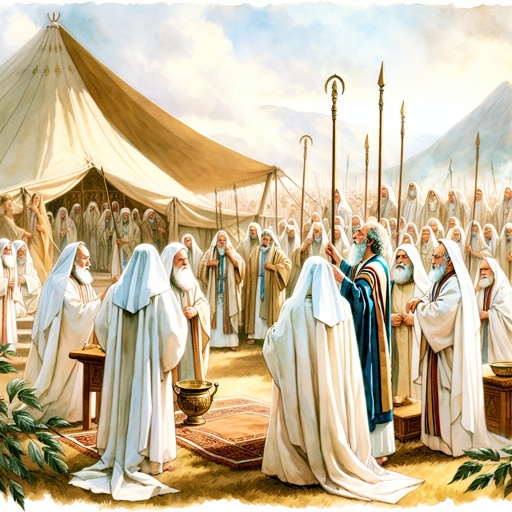
Leviticus 8:1-12

Leviticus 8:8 - "And he put the breastplate upon him: also he put in the breastplate the Urim and the Thummim."

Leviticus 7:17 - "But the remainder of the flesh of the sacrifice on the third day shall be burnt with fire."

Leviticus 6:8 - "¶ And the LORD spake unto Moses, saying,"
Leviticus 10:8 - "¶ And the LORD spake unto Aaron, saying,"

Leviticus 24:17 - "¶ And he that killeth any man shall surely be put to death."

Leviticus 8:1 - "And the LORD spake unto Moses, saying,"
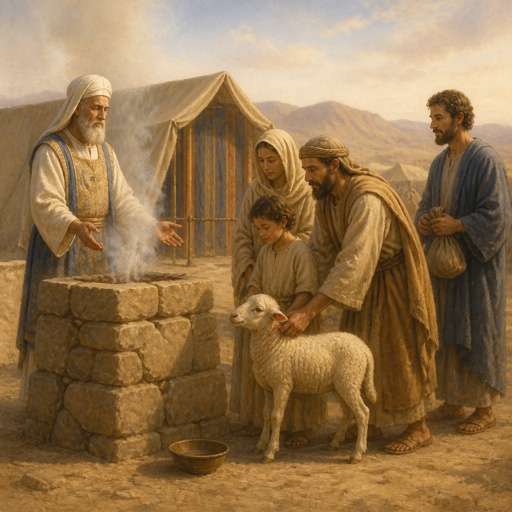
"¶ And thou shalt say unto them, Whatsoever man there be of the house of Israel, or of the strangers which sojourn among you, that offereth a burnt offering or sacrifice," - Leviticus 17:8

Leviticus 8:32 - "And that which remaineth of the flesh and of the bread shall ye burn with fire."

Leviticus 15:17 - "And every garment, and every skin, whereon is the seed of copulation, shall be washed with water, and be unclean until the even."

Leviticus 17:3 - "What man soever there be of the house of Israel, that killeth an ox, or lamb, or goat, in the camp, or that killeth it out of the camp,"

Leviticus 8:6 - "And Moses brought Aaron and his sons, and washed them with water."

Leviticus 8:19 - "And he killed it; and Moses sprinkled the blood upon the altar round about."

Leviticus 8:3 - "And gather thou all the congregation together unto the door of the tabernacle of the congregation."

Leviticus 8:5 - "And Moses said unto the congregation, This is the thing which the LORD commanded to be done."

Leviticus 27:17 - "If he sanctify his field from the year of jubile, according to thy estimation it shall stand."

Leviticus 17:16 - "But if he wash them not, nor bathe his flesh; then he shall bear his iniquity."

"¶ And the LORD spake unto Moses, saying," - Leviticus 22:17

"And the LORD spake unto Moses, saying," - Leviticus 17:1

"And the little owl, and the cormorant, and the great owl," - Leviticus 11:17