The Wisdom of Stewardship: Lessons from the Shrewd Manager
“So he called every one of his lord’s debtors unto him, and said unto the first, How much owest thou unto my lord?” — Luke 16:5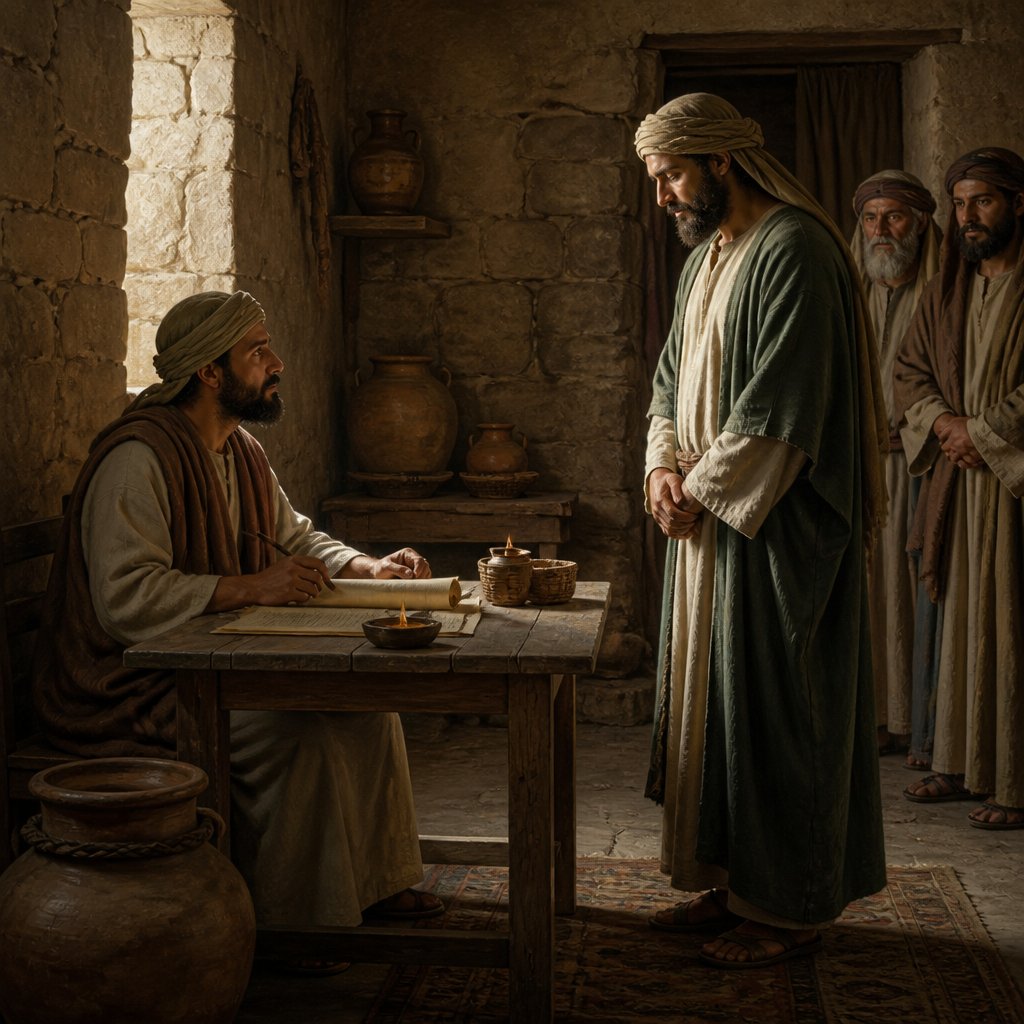
Luke 16:5 states, "So he called every one of his lord's debtors unto him, and said unto the first, How much owest thou unto my lord?" This verse, nestled within the Parable of the Unjust Steward, encapsulates an essential lesson about stewardship and our responsibility towards others and our resources.
At a surface level, the story recounts a manager who, upon realizing he would lose his position, took decisive action to secure his future. He summoned each debtor of his master and encouraged them to reduce their debts, hoping to ingratiate himself with them. This might come across as deceitful, yet, when we dive deeper into the message, it unveils profound truths about wisdom, responsibility, and the nature of service.
The first question we need to grapple with is, what does stewardship mean for us? Throughout the Scriptures, stewardship encompasses not just the management of material possessions but extends to time, talents, and relationships. In this parable, we see a manager who is faced with a moment of truth. His impending dismissal compels him to be shrewd, showcasing the kind of wisdom that is often called for in times of crisis.
This narrative teaches that in our journey of stewardship, we will encounter challenges that require a bold response. It’s easy to be languid and indifferent when things are going well, but the true test arises during adversity. The unjust steward, who had squandered his lord's goods, found himself in a precarious situation but recognized his need to act. He faced the reality of his actions and took the initiative to right what was wrong — not out of a desire for righteousness but for self-preservation.
As Christians, we are called to be good stewards not only in material matters but in our spiritual lives. God has entrusted us with His grace and blessings, and the question must be asked: How much do we owe our Lord? Reflecting on this insight can shake us from complacency. Like the steward, we too must assess our debts, our shortcomings, and all that we owe to Christ for the unfathomable love and grace He bestows upon us daily.
Furthermore, the parable illustrates the principle of wisely using our resources and our influence. When the steward asks each debtor, "How much owest thou unto my lord?" he is confronting them with their own reality. This discussion encourages accountability, not only for himself but also for those around him. It serves as a reminder that our actions have consequences, and we must possess the courage to engage with the debtors of our lives—be they relationships strained by misunderstanding, time wasted, or opportunities mishandled.
Ultimately, the parable calls into question the way we view success and shrewdness. It challenges the normative view of ethics and morality, urging believers to act wisely within the world’s economic and social systems while remaining rooted in the principles of righteousness. Jesus concludes this parable by emphasizing that the children of this world are wiser in their generation than the children of light (Luke 16:8). It's a provocative indictment that challenges us to think outwardly, to engage with our resources proactively, and not be afraid of seeming unorthodox in our beliefs when motivated by an understanding of accountability to our Lord.
As we reflect on Luke 16:5, let’s ask ourselves: In what areas of our lives are we managing God’s gifts poorly? Who are the debtors in our lives we need to meet and engage with? The call to stewardship is a call to action. It is a plea not just to observe our reality, but to engage, connect, and act. Let us embody the wisdom and insight necessary to steward our lives towards His glory, remembering that every debt must be accounted for before Him. May we aspire to act shrewdly, wisely, and ethically, influencing those around us while encouraging them to examine their own debts to the Lord.
Get our apps


Artwork for Luke 16:5

Luke 16:5 - "So he called every one of his lord's debtors unto him, and said unto the first, How much owest thou unto my lord?"
"So he called every one of his lord's debtors unto him, and said unto the first, How much owest thou unto my lord?" - Luke 16:5

Luke 5:16 - "¶ And he withdrew himself into the wilderness, and prayed."

"¶ And he withdrew himself into the wilderness, and prayed." - Luke 5:16

"¶ And he withdrew himself into the wilderness, and prayed." - Luke 5:16

"¶ And he withdrew himself into the wilderness, and prayed." - Luke 5:16

luke 5:5

Luke 8:16

luke 4:16

Luke 10:5

Luke 10:5

Luke 10:5

Luke 16:1-13

Luke 16:1-1313

Luke 16:22-26

Luke 16:1-13

Luke 16:1-13

Luke 2:16 - 21

Luke 5:36

Luke 5:39

Luke 16:16 - "The law and the prophets were until John: since that time the kingdom of God is preached, and every man presseth into it."

Luke 24:16 - "But their eyes were holden that they should not know him."

Luke 23:16 - "I will therefore chastise him, and release him."

Luke 8:5-8

Luke 5:1-11

Luke 5:17-26

Luke 5:1-11

luke 21:5-19

Galatians 5:16-17

Galatians 5:16-17