The Heart of True Prayer: Lessons from the Temple
“Two men went up into the temple to pray; the one a Pharisee, and the other a publican.” — Luke 18:10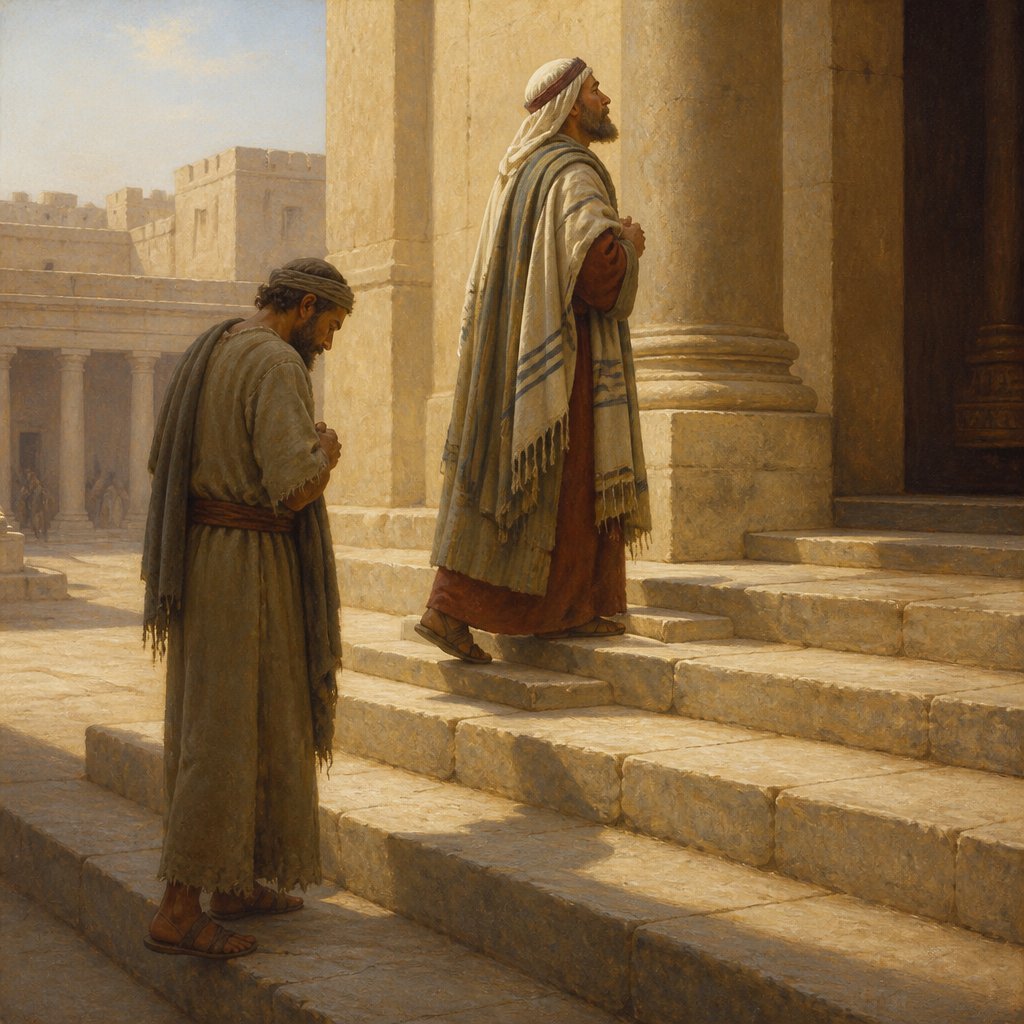
In the Gospel of Luke, chapter 18, verse 10, we encounter a profound glimpse into the Temple of Jerusalem, where two men ascend to pray: "Two men went up into the temple to pray; the one a Pharisee, and the other a publican." This verse, though simple in its presentation, offers deep reflections on the state of the human heart and the nature of true prayer.
As we delve into the context of this passage, we must first consider who these two men are. The Pharisee, a prominent figure in the religious community, was revered for his adherence to the Law and the traditions of Judaism. He believed that his status and actions set him apart from others, particularly from the publican—or tax collector—a man viewed with contempt by society for his perceived betrayal to his people and his sinful ways. In a culture that placed high value on outward appearances and ritualistic observance, these two individuals represent the polarized views of piety.
When we think of prayer, particularly in the context of a sacred space like the Temple, we often envision moments filled with reverence, humility, and a deep longing for connection with God. However, the prayers of these two men unveil the stark contrast of their inward dispositions. The Pharisee stands tall, confident in himself and his righteousness, perhaps even oblivious to his own flaws. He believes he is deserving of God’s favor, relying on his accomplishments and status as the mainstay of his prayer. But is this truly what prayer is intended to be?
The Pharisee's prayer reflects a heart filled with pride, believing he has earned his position rather than recognizing his need for grace. He contrasts himself with the publican: "I thank thee, that I am not as other men are, extortioners, unjust, adulterers, or even as this publican." Here, the Pharisee fails to recognize that righteousness in God's eyes cannot be achieved through self-justification. He not only boasts of his own virtues but also casts dispersions on others, creating a chasm of separation between himself and those he deems lesser.
In stark contrast, the publican stands afar off, embodying the spirit of humility. The Scriptures paint a picture of complete dependence on God’s mercy as he humbly beats his chest and cries out, "God be merciful to me a sinner." The publican's prayer signifies an understanding of his position before God—he approaches the Almighty not with pride, but with an open and contrite heart. He embodies the truth conveyed in Psalm 51:17, which states, "The sacrifices of God are a broken spirit: a broken and a contrite heart, O God, thou wilt not despise."
Through these two figures, Jesus directs our attention to the essence of authentic communication with God. He teaches that true prayer is not merely reciting words that are rehearsed or flaunting one’s own righteousness, but rather an expression of vulnerability and an acknowledgment of one's shortcomings. Our prayers reach God’s ears not when they are filled with accolades of our own lives but when they are poured out in humbleness and repentance.
In a world that constantly drives us to measure our worth against the accomplishments of others, let us take heed of the lessons from the Temple. Let us examine our own hearts: Are we approaching God in the spirit of humility or self-righteousness? As we engage in prayer, may we strive to mirror the publican’s approach—recognizing our faults, seeking God’s mercy, and realizing that all of us stand in need of grace.
Ultimately, the lesson is clear. Jesus concludes this parable with a powerful statement: "For every one that exalteth himself shall be abased; and he that humbleth himself shall be exalted." Let us not forget that in the Kingdom of God, the way up is down; only through humility can we truly ascend into the heart of our Savior. As we pray today, may we do so not from a place of judgment of others but from a sincere recognition of our dependency on God’s grace and mercy.
Get our apps


Artwork for Luke 18:10

Luke 18:10 - "Two men went up into the temple to pray; the one a Pharisee, and the other a publican."
"Two men went up into the temple to pray; the one a Pharisee, and the other a publican." - Luke 18:10

Luke 18:10-14 - "Two men went up to the temple to pray, one a Pharisee and the other a tax collector. The Pharisee stood by himself and prayed: 'God, I thank you that I am not like other people--robbers, evildoers, adulterers--or even like this tax collector. I fast twice a week and give a tenth of all I get.' But the tax collector stood at a distance. He would not even look up to heaven, but beat his breast and said, 'God, have mercy on me, a sinner.' I tell you that this man, rather than the other, went home justified before God. For all those who exalt themselves will be humbled, and those who humble themselves will be exalted. "
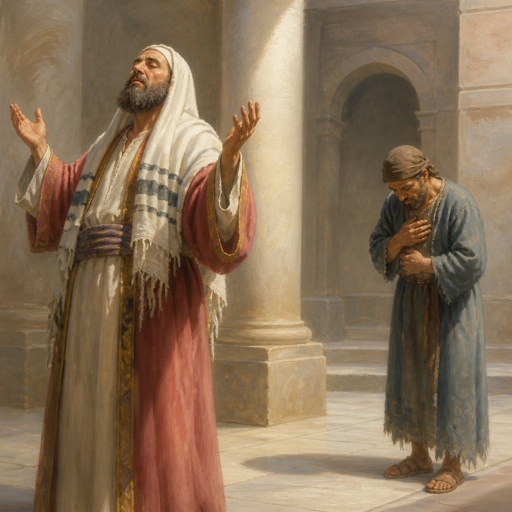
"Two men went up to the temple to pray, one a Pharisee and the other a tax collector. The Pharisee stood by himself and prayed: 'God, I thank you that I am not like other people--robbers, evildoers, adulterers--or even like this tax collector. I fast twice a week and give a tenth of all I get.' But the tax collector stood at a distance. He would not even look up to heaven, but beat his breast and said, 'God, have mercy on me, a sinner.' I tell you that this man, rather than the other, went home justified before God. For all those who exalt themselves will be humbled, and those who humble themselves will be exalted. " - Luke 18:10-14

Luke 10:18-19

Luke 10:18-19

Luke 10:18-19

Luke 10:18-19

Luke 10:18-19

Luke 10:18-19

Luke 10:18-19

Luke 10:18 - "And he said unto them, I beheld Satan as lightning fall from heaven."

"And he said unto them, I beheld Satan as lightning fall from heaven." - Luke 10:18

"And he said unto them, I beheld Satan as lightning fall from heaven." - Luke 10:18

Luke 13:18-19

Luke 13:18-19

Luke 4:18

Luke 4:18

Luke 10:5

Luke 10:5

Luke 10:5

Luke 18: 9-14

Luke 8:4-18

Luke 10:17-19

Luke 18:9-14

Luke 10:17-19

Luke 19:10

Luke 2:10

Luke 10:27

Luke 15:10