Embracing the Innocents: The Heart of Jesus for the Vulnerable
“And they brought unto him also infants, that he would touch them: but when his disciples saw it, they rebuked them.” — Luke 18:15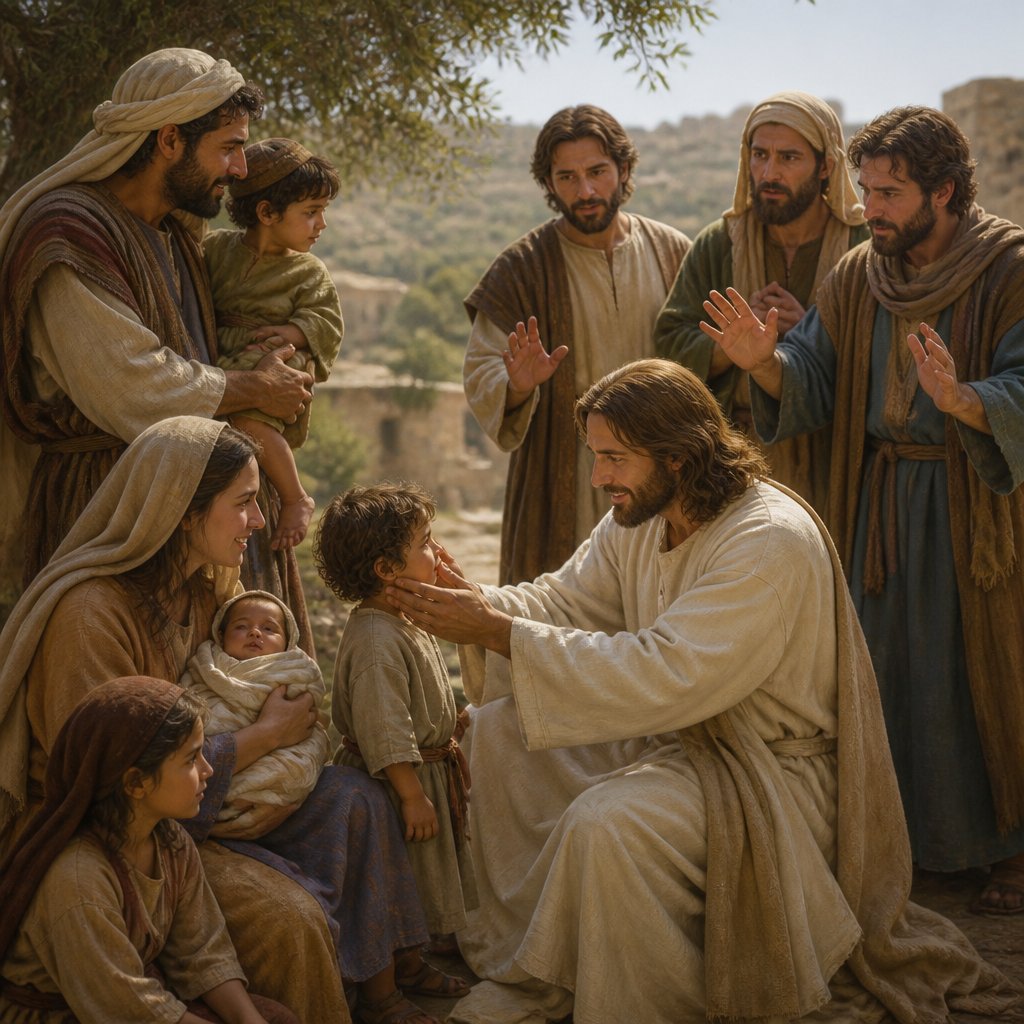
In Luke 18:15, we encounter a touching scene that reveals the heart of Jesus toward the most vulnerable in society: "And they brought unto him also infants, that he would touch them: but when his disciples saw it, they rebuked them." This passage beautifully illustrates the tender nature of Christ, as well as the misconceptions that can cloud our understanding of who is worthy to receive His love and grace.
The act of bringing infants to Jesus signifies a desperate hope among the people. The infants represent purity, innocence, and the deep need for love and blessing. To touch the children was not merely a physical action; it was an impartation of blessing that was culturally and spiritually significant. In ancient culture, the blessing of a touch from a rabbi was considered a high privilege, indicating acceptance, love, and divine favor.
However, the disciples, in their misunderstanding, rebuked those who brought the children to Jesus. Their actions highlight a common human tendency: to overlook the weak and the powerless. They likely viewed the bringing of infants to Jesus as an interruption, rather than an important moment of ministry. This reaction raises pertinent questions about our own lives:
- How often do we dismiss the needs of the vulnerable in our midst?
- Do we prioritize our agendas over the compassionate call to minister to those whom society often overlooks?
Jesus' response to His disciples, though not recorded directly in the quoted verse, is implied in the narrative that follows. He welcomes the children with open arms, saying, "Suffer little children to come unto me, and forbid them not: for of such is the kingdom of God" (Luke 18:16). Here, we see the radical inclusivity of Jesus’ ministry. In a time when children had little social standing, Jesus elevates their worth, showing that in His kingdom, they hold great significance.
This moment in Scripture challenges us to reevaluate our perceptions of worth. It is easy to value contributions based on tangible abilities and worldly standards. Yet, from a divine perspective, worth transcends capability. Infants, so dependent and fragile, remind us that the kingdom of God is built not on strength but on humility, dependency, and the abundant grace of God.
In the face of societal dismissal, Jesus reveals that His love is not restricted by age, ability, or social status. Instead, it is a love that embraces the least of these. As followers of Christ, we are called to mirror this same attitude in our daily lives. We are challenged to become advocates for the vulnerable, to embrace the marginalized, and to practice radical hospitality.
Moreover, this passage invites us to reflect on our spiritual state. As we consider the infants who were brought to Jesus, we are reminded of our own need for His touch. Just as the infants needed the tender love of Christ, so do we. We come before Him, often in our spiritual immaturity, seeking His touch to heal, bless, and fill us with grace.
In essence, this passage serves as a dual reminder: it calls us to foster an attitude of love and inclusion for the vulnerable around us, while also recognizing our continual need for Christ’s blessing in our own lives. Let us cultivate hearts that reflect the heart of Jesus—welcoming, inviting, and loving those who are often overlooked.
As we meditate on Luke 18:15, let us pray for the eyes to see those around us who need compassion, and the willingness to reach out in love, just as Jesus did. May we never presume that anyone is beyond His touch—not infants, not the marginalized, and certainly not ourselves.
Get our apps


Artwork for Luke 18:15

Luke 18:15 - "And they brought unto him also infants, that he would touch them: but when his disciples saw it, they rebuked them."
"And they brought unto him also infants, that he would touch them: but when his disciples saw it, they rebuked them." - Luke 18:15

Luke 15:18 - "I will arise and go to my father, and will say unto him, Father, I have sinned against heaven, and before thee,"

Luke 10:18-19

Luke 13:18-19

Luke 10:18-19

Luke 10:18-19

Luke 13:18-19

Luke 10:18-19

Luke 10:18-19

Luke 10:18-19

Luke 4:18

Luke 4:18
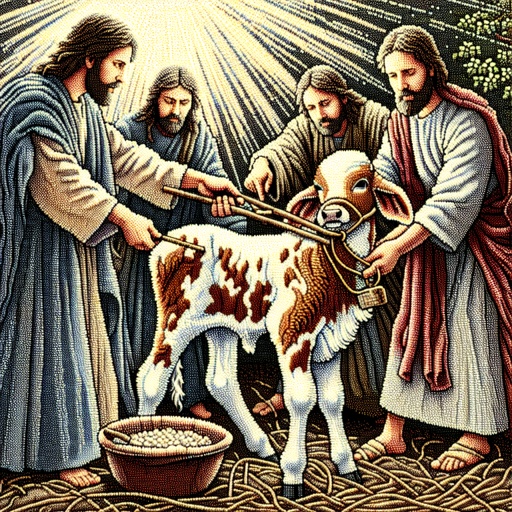
Luke 15:23

Luke 15:10

Luke 15:21

Luke 15:21
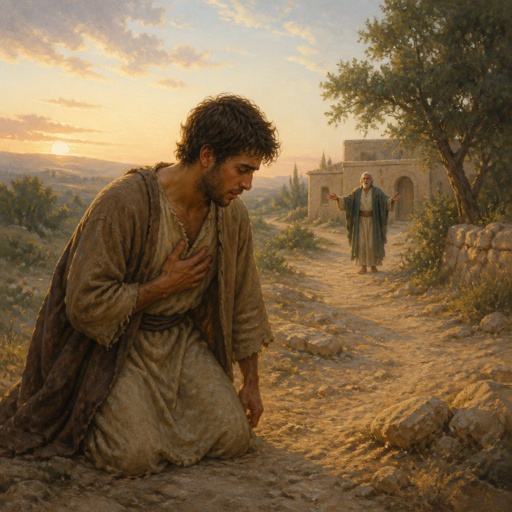
"I will arise and go to my father, and will say unto him, Father, I have sinned against heaven, and before thee," - Luke 15:18

Luke 18: 9-14

Luke 8:4-18

Luke 10:18-19

Luke 18:9-14

Luke 15: 4-7

Luke 11:14-15

Luke 21:15-19

Luke 15:11-32

Luke 18:37 - "And they told him, that Jesus of Nazareth passeth by."

Luke 18:18 - "And a certain ruler asked him, saying, Good Master, what shall I do to inherit eternal life?"

Genesis 15:18

Luke 18:26 - "And they that heard it said, Who then can be saved?"