What does Luke 18:15 mean?
“And they brought unto him also infants, that he would touch them: but when his disciples saw it, they rebuked them.” — Luke 18:15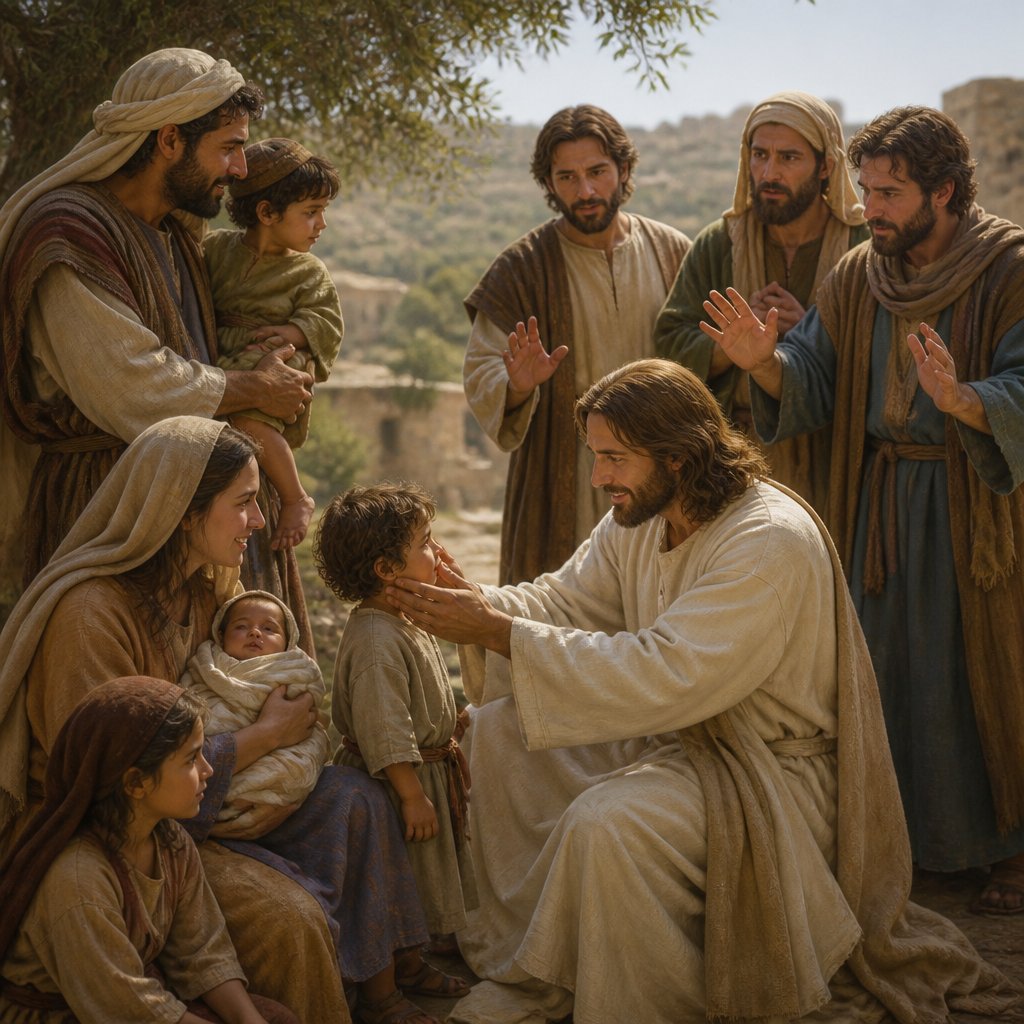
The verse Luke 18:15 from the King James Version of the Bible states, "And they brought unto him also infants, that he would touch them: but when his disciples saw it, they rebuked them." This verse is part of a larger passage in the Gospel of Luke that recounts Jesus’ teaching and interactions with his disciples and the people. It is a significant moment in the ministry of Jesus, as it demonstrates his love and concern for children, and his rebuke of the disciples' lack of understanding of the kingdom of God.
In this passage, Jesus is in the midst of teaching the people, and they are bringing infants to him so that he can touch them. The act of bringing children to Jesus for his blessing and touch was a common practice at the time, as it was believed that the touch of a holy man, such as Jesus, could bring blessings and protection to the children. However, the disciples, who were accompanying Jesus, rebuked the people for bringing the children to him. Their response may have been influenced by the prevailing cultural attitude of the time, which did not place much value on children or prioritize their needs.
The disciples’ reaction prompts Jesus to offer a powerful and poignant response in the following verse, Luke 18:16: "But Jesus called them unto him, and said, Suffer little children to come unto me, and forbid them not: for of such is the kingdom of God." Jesus’ words here are profound and filled with significance. He is not only addressing the immediate situation but also offering a timeless lesson about the nature of the kingdom of God and the value of children.
At its core, this passage is about the inclusion of children in the kingdom of God and the value that Jesus places on them. In a society where children were often overlooked and marginalized, Jesus’ affirmation of the children’s worth and his call for their inclusion is revolutionary. It challenges the prevailing cultural norms and underscores the importance of caring for and nurturing the next generation.
This passage also speaks to the broader theme of humility and childlike faith. Jesus’ words, "for of such is the kingdom of God," suggest that the values and attitudes of children—such as innocence, trust, and dependence—reflect the qualities that are sought after in the kingdom of God. Jesus often emphasized the importance of humility and childlike faith in his teachings, and this passage serves as a powerful illustration of those principles.
The symbolism in this verse is also rich and multi-layered. The act of bringing children to Jesus represents the desire for blessings and protection, as well as the instinctive recognition of Jesus as a source of love and compassion. The rebuke of the disciples serves as a reminder of the ways in which societal attitudes and norms can lead to the marginalization of certain groups, and the need for a radical reorientation of values.
Furthermore, Jesus’ response in welcoming the children with open arms symbolizes his embrace of all people, regardless of their status or perceived value in society. It conveys the message that in the kingdom of God, all are valued and included, and that the qualities of children—innocence, trust, and dependence—hold great significance.
In conclusion, Luke 18:15 is a profound and impactful verse that highlights the value of children, the need for humility, and the inclusive nature of the kingdom of God. It challenges cultural norms and invites a reevaluation of societal attitudes and values. As Christians, this passage calls us to emulate Jesus’ love and compassion for children, and to recognize the importance of humility and childlike faith in our own lives. It serves as a powerful reminder of the radical and transformative message of the gospel.
Get our apps


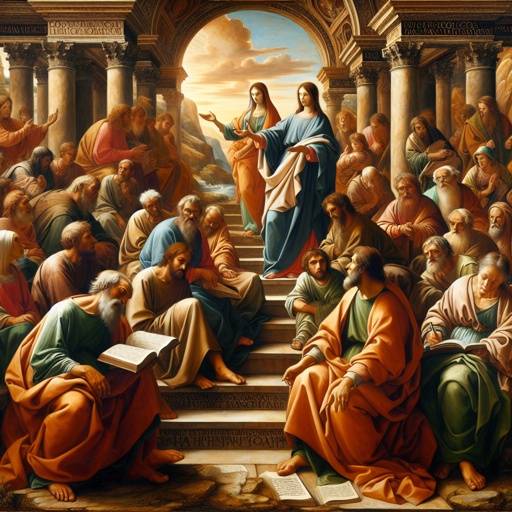
Artwork for Luke 18:15
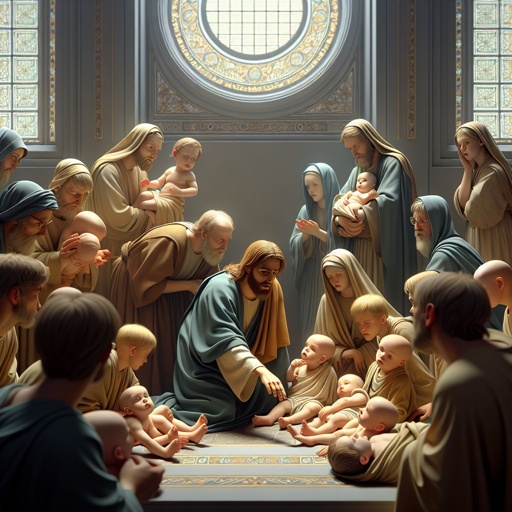
Luke 18:15 - "And they brought unto him also infants, that he would touch them: but when his disciples saw it, they rebuked them."
"And they brought unto him also infants, that he would touch them: but when his disciples saw it, they rebuked them." - Luke 18:15

Luke 15:18 - "I will arise and go to my father, and will say unto him, Father, I have sinned against heaven, and before thee,"

Luke 10:18-19

Luke 13:18-19

Luke 10:18-19

Luke 10:18-19

Luke 13:18-19

Luke 10:18-19

Luke 10:18-19

Luke 10:18-19

Luke 4:18

Luke 4:18
Luke 15:23

Luke 15:10

Luke 15:21

Luke 15:21
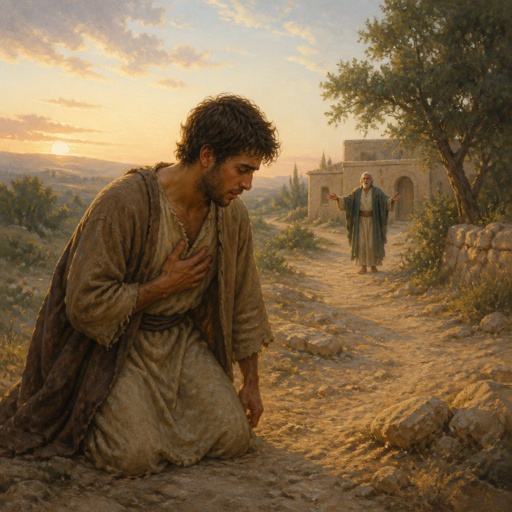
"I will arise and go to my father, and will say unto him, Father, I have sinned against heaven, and before thee," - Luke 15:18

Luke 18: 9-14

Luke 8:4-18

Luke 10:18-19

Luke 18:9-14

Luke 15: 4-7

Luke 11:14-15

Luke 21:15-19

Luke 15:11-32

Luke 18:37 - "And they told him, that Jesus of Nazareth passeth by."

Luke 18:18 - "And a certain ruler asked him, saying, Good Master, what shall I do to inherit eternal life?"
Genesis 15:18

Luke 18:26 - "And they that heard it said, Who then can be saved?"