The Sovereignty of God in the Storms of Life
“( And this taxing was first made when Cyrenius was governor of Syria.)” — Luke 2:2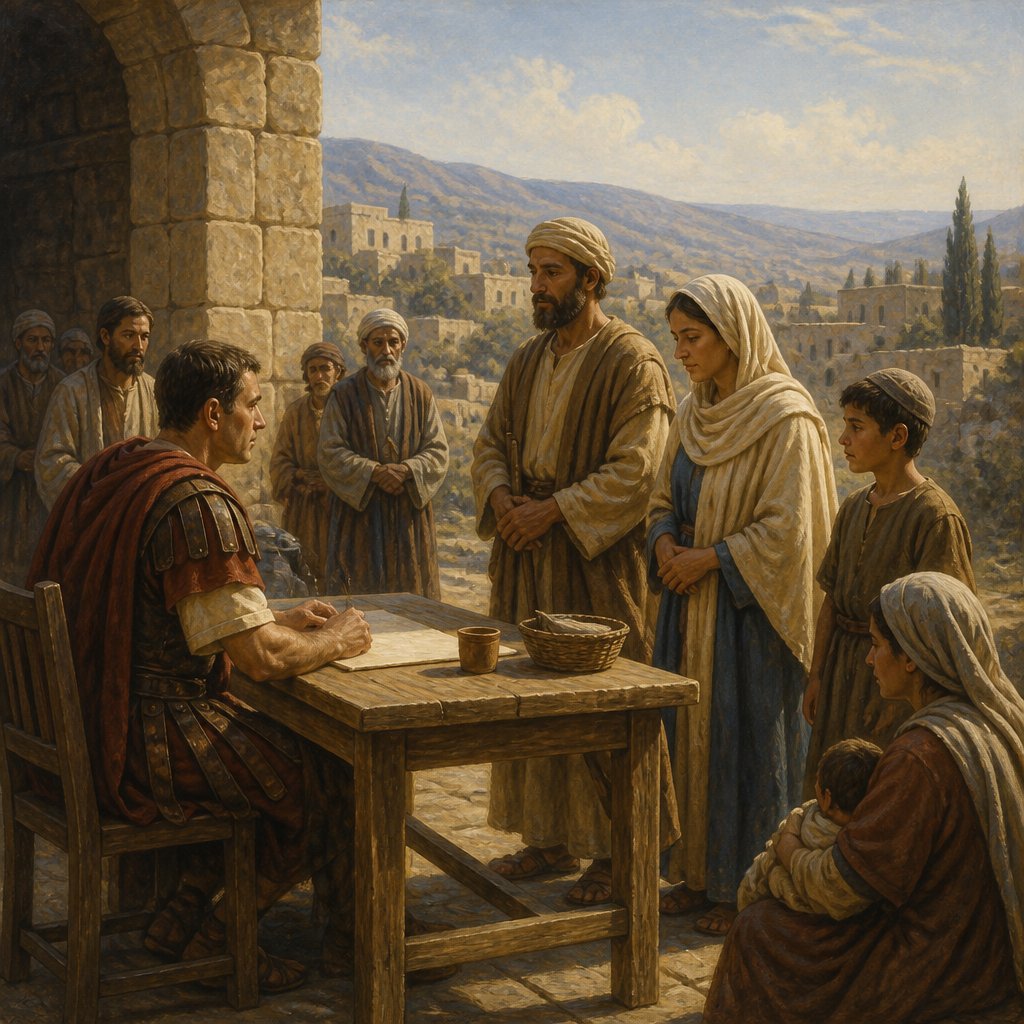
Luke 2:2 reads: "And this taxing was first made when Cyrenius was governor of Syria."
In one of the most pivotal moments in history, this simple verse sets the stage for the remarkable birth of our Savior, Jesus Christ. While at first glance, it may seem like an inconsequential detail in the grand narrative of the Gospel, it actually reveals profound truths about God's sovereignty, timing, and the grandeur of His plan in the midst of the mundane details of life.
At the time of Christ's birth, Caesar Augustus had ordered a census across the Roman Empire for taxation purposes. This decree forced Joseph and Mary to travel from Nazareth to Bethlehem, fulfilling the prophecy of Micah 5:2, which foretold that the Messiah would be born in Bethlehem. "But thou, Bethlehem Ephratah, though thou be little among the thousands of Judah, yet out of thee shall he come forth unto me that is to be ruler in Israel; whose goings forth have been from of old, from everlasting."
The term 'taxing' in this verse signifies more than a mere collection of revenue; it reflects the reality of God's providential hand in guiding events toward their destined fulfillment. The birth of Christ under such circumstances speaks volumes of how the Lord orchestrates the events of human history, even using political decrees and societal structures that may seem daunting or inconvenient to us.
Consider the implications of this sequence of events: God chose a moment fraught with difficulty and discomfort for Mary and Joseph, an expectant couple, to fulfill His divine purpose. They were well aware of the potential dangers of travel during her pregnancy, compounded by the discomfort of having to travel to a crowded and chaotic city, especially under the specter of governmental demand. Yet, this very hardship was part of God’s redemptive plan. It shines a light on an essential aspect of our faith—the understanding that often, God allows challenging circumstances in our lives to bring about His greater glory.
In this verse, we also see a historical anchor. Cyrenius is mentioned, a name that resonates with a tangible presence in history. It assures us that God's work is not done in a vacuum; even in the weighty matters of taxation and governance, He is active and in control. It serves as a reminder that our God is not distant or indifferent to the worldly administrations, but rather, He is sovereign over them. The practical aspects of our daily lives, including government, economy, and societal expectations, are all underneath the Lordship of Christ. This ought to be a source of great comfort for us, especially in times when we feel overwhelmed by the weight of our circumstances.
The tax imposed by Cyrenius was a prelude to the greatest gift humanity would ever receive. The divinely orchestrated journey of Mary and Joseph reminds us that our life's journey, with all its trials, is often leading us to a significant culmination in God’s plan. As we navigate through our own ‘taxes’—the burdens, trials, and challenges—we can trust that God is using them to shape our faith and deepen our reliance on Him.
Moreover, it is essential to reflect on what exactly the birth of Jesus means. God’s coming to humanity was not in the grandeur of palaces but in the simplicity and humility of a stable. This contrasts sharply with the governmental demands placed on them. It encourages us to remember that God’s greatest work often comes from the most unassuming beginnings. In a world that often prioritizes power and wealth, the Savior of the World was born into poverty and lowliness, demonstrating that God values the heart and spirit over earthly status.
Let this verse resonate in your life today, as it did at the first Christmas. Embrace the truth that amid every taxation of life, God is working for your good and His glory. Trust that He is the author and perfecter of your faith, and even a census—a government tax—can serve His divine purpose.
In our messy, imperfect lives, remember the treasure that came through trial, and let us continuously seek the heart of the Savior born from the circumstances that seemed to bind Him, but ultimately brought about our freedom.
Get our apps


Artwork for Luke 2:2

Luke 2:2

Luke 2:2 - "(And this taxing was first made when Cyrenius was governor of Syria.)"
"(And this taxing was first made when Cyrenius was governor of Syria.)" - Luke 2:2

Luke 2:37

Luke 2:37

Luke 2:37

Luke 2:52

Luke 2:37

Luke 2:13

Luke 2:10

Luke 2:37

Luke 2:13-14

Luke 2:13-14

Luke 2:41-52

Luke 2:16 - 21

Luke 2:1-20

Luke 2 v 8

Luke 2:30 - "For mine eyes have seen thy salvation,"

Luke 24:2 - "And they found the stone rolled away from the sepulchre."

Luke 2:50 - "And they understood not the saying which he spake unto them."

Luke 2:52 - "And Jesus increased in wisdom and stature, and in favour with God and man."

Luke 2:32 - "A light to lighten the Gentiles, and the glory of thy people Israel."

Luke 2:19 - "But Mary kept all these things, and pondered them in her heart."

Luke 2:5 - "To be taxed with Mary his espoused wife, being great with child."

Luke 2:31 - "Which thou hast prepared before the face of all people;"

Luke 9:2 - "And he sent them to preach the kingdom of God, and to heal the sick."

Luke 2:47 - "And all that heard him were astonished at his understanding and answers."

Luke 2:3 - "And all went to be taxed, every one into his own city."

Luke 14:2 - "And, behold, there was a certain man before him which had the dropsy."

Luke 2:13 - "And suddenly there was with the angel a multitude of the heavenly host praising God, and saying,"