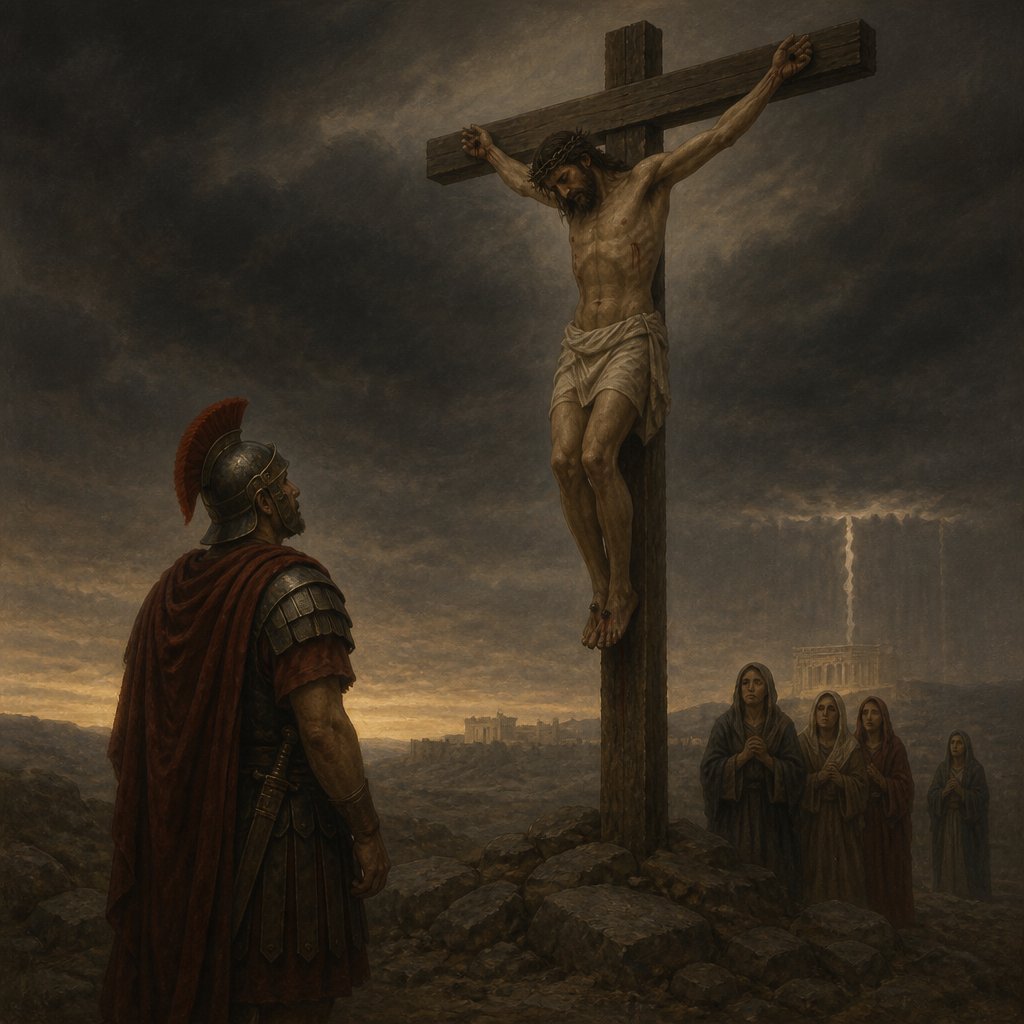
As we journey through Mark 15:33-41, we encounter one of the most poignant moments in Scripture—the crucifixion of Jesus Christ. The darkness that enveloped the land from noon until three in the afternoon reflects the profound sorrow of the earth itself as it witnesses the death of its Creator. It is a moment thick with despair, awe, and mystery, echoing the deep emotional and spiritual turmoil not just of the world, but particularly of our Savior.
The text reveals that at three o'clock, Jesus cried out, “Eloi, Eloi, lema sabachthani?” translating to “My God, my God, why hast thou forsaken me?” This is a direct quotation from Psalm 22:1—a psalm filled with anguish but also with hope and deliverance. It is crucial that we recognize this moment not merely as a cry of despair but as a deeply human expression of feeling forsaken in the darkest hour. In His suffering, Jesus fully embraced the weight of human loneliness and abandonment.
Here, Jesus, who had known perfect unity with the Father, now experiences what it means to be separated from that divine love—a separation that our sins created. As we contemplate His words, we are compelled to ask ourselves: How often do we feel abandoned by God in our own suffering? How often do we cry out in our trials wondering if we are left to face our battles alone? In these moments, God invites us to bring our pain to Him, to engage in the raw and honest dialogue that is a part of our spiritual journey.
The onlookers, misunderstanding His utterance, respond with skepticism and confusion, believing He is calling for Elijah. This reaction reminds us of how earthly perceptions can miss the deeper spiritual truths at work. It shows us the folly of human understanding when entrenched in unbelief. Instead of embracing the depth of Christ's pain and recognizing its significance, they remained spectators in the drama of salvation.
As we reflect on the moment Jesus breathes His last, we notice that the temple curtain was torn from top to bottom (v.38). This act is monumental; it symbolizes the removal of barriers between God and humanity. The separation caused by sin is forever dismantled by His sacrifice. We are now invited into the presence of God, confident in the knowledge that through Christ, we have direct access to our Heavenly Father. Every time we approach Him in prayer, we are reminded of the ultimate price paid for that privilege—the blood of Jesus.
The centurion's declaration, “Truly this man was the Son of God!” (v.39), acts as a pivot in this narrative. This Gentile soldier, who stood to witness the execution, represents those who were initially far off from the promise of God and yet could see the truth. His confession reveals that even in the death of Christ, there is recognition of Jesus’ divine nature. It prompts us to consider our own perceptions of Christ. Who do we say Jesus is? Are we recognizing Him in our circumstances, even in our darkest hours?
Looking further, we notice the presence of women who remained close, unwavering in their support and love for Him (v.40). This group includes Mary Magdalene and other faithful followers who had served alongside him in Galilee, highlighting the importance of community and shared faith during times of distress. Their continued watchfulness in the face of despair offers an encouraging reminder of loyalty amidst chaos.
As we close, let us meditate on the stark contrast of despair and hope in this passage. Jesus’ cry of abandonment may resonate with our deepest fears, but it simultaneously leads us to the grace and love that restore us. No matter how dark our days may become, we can find light in knowing that Jesus endured the ultimate separation to bring us back to the heart of God. May we carry this truth into our lives and be ever-mindful of the new access we have been granted through His sacrifice.
Get our apps


Artwork for Mark 15:33-41

Mark 15:33-41 - "Mark 15:33-41 At noon, darkness came over the whole land until three in the afternoon. And at three in the afternoon Jesus cried out in a loud voice, “Eloi, Eloi, lema sabachthani?” (which means “My God, my God, why have you forsaken me?”). When some of those standing near heard this, they said, “Listen, he’s calling Elijah.” Someone ran, filled a sponge with wine vinegar, put it on a staff, and offered it to Jesus to drink. “Now leave him alone. Let’s see if Elijah comes to take him down,” he said. With a loud cry, Jesus breathed his last. The curtain of the temple was torn in two from top to bottom. And when the centurion, who stood there in front of Jesus, saw how he died, he said, “Surely this man was the Son of God!” Some women were watching from a distance. Among them were Mary Magdalene, Mary the mother of James the younger and of Joseph, and Salome. In Galilee these women had followed him and cared for his needs. Many other women who had come up with him to Jerusalem were also there."
"Mark 15:33-41 At noon, darkness came over the whole land until three in the afternoon. And at three in the afternoon Jesus cried out in a loud voice, “Eloi, Eloi, lema sabachthani?” (which means “My God, my God, why have you forsaken me?”). When some of those standing near heard this, they said, “Listen, he’s calling Elijah.” Someone ran, filled a sponge with wine vinegar, put it on a staff, and offered it to Jesus to drink. “Now leave him alone. Let’s see if Elijah comes to take him down,” he said. With a loud cry, Jesus breathed his last. The curtain of the temple was torn in two from top to bottom. And when the centurion, who stood there in front of Jesus, saw how he died, he said, “Surely this man was the Son of God!” Some women were watching from a distance. Among them were Mary Magdalene, Mary the mother of James the younger and of Joseph, and Salome. In Galilee these women had followed him and cared for his needs. Many other women who had come up with him to Jerusalem were also there." - Mark 15:33-41

Mark 15:33 - "And when the sixth hour was come, there was darkness over the whole land until the ninth hour."
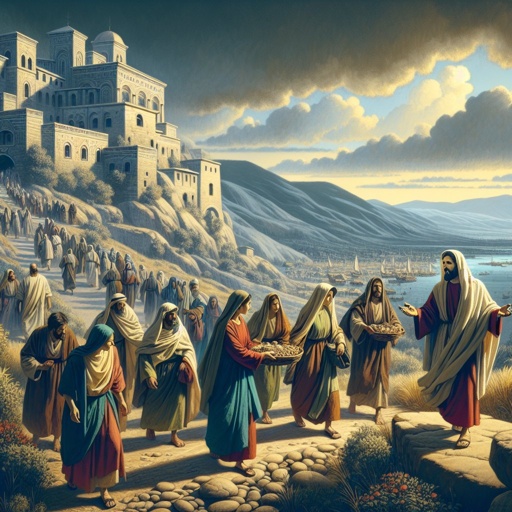
Mark 15:41 - "(Who also, when he was in Galilee, followed him, and ministered unto him;) and many other women which came up with him unto Jerusalem."

Ephesians 4:1-5

Mark 4:41

Mark 4:41

Mark 4:41

Mark 4:41

Mark 12:41 - 44
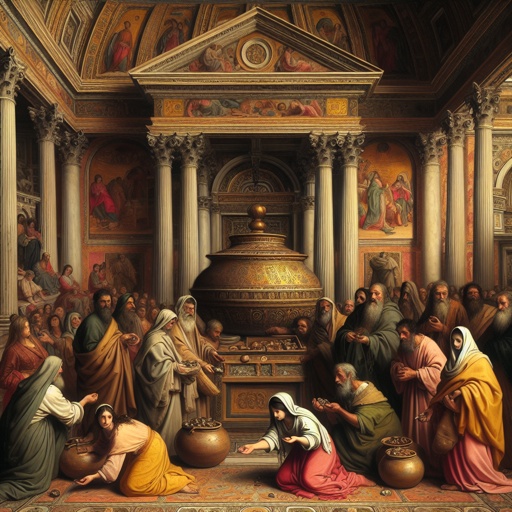
Mark 12:41 - 44

Numbers 33:41 - "And they departed from mount Hor, and pitched in Zalmonah."
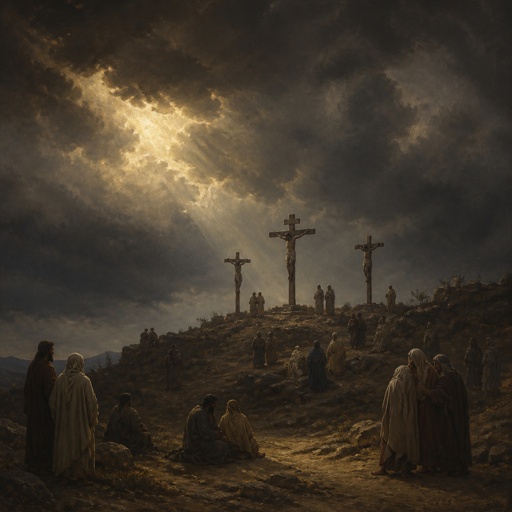
"And when the sixth hour was come, there was darkness over the whole land until the ninth hour." - Mark 15:33

Mark 12:41 - 44

Mark 12:41 - 44

Mark 12:41 - 44

Mark 4:35-41

Ephesians 4:1-5

Ephesians 4:1-5

Ephesians 4:1-5

Ephesians 4:1-5

Exodus 4:1-5

Ephesians 4:1-5

Ephesians 4:1-5

Ephesians 4:1-5

Ephesians 4:1-5

Ephesians 4:1-5

Ephesians 4:1-5

Ephesians 4:1-5

Ephesians 4:1-5