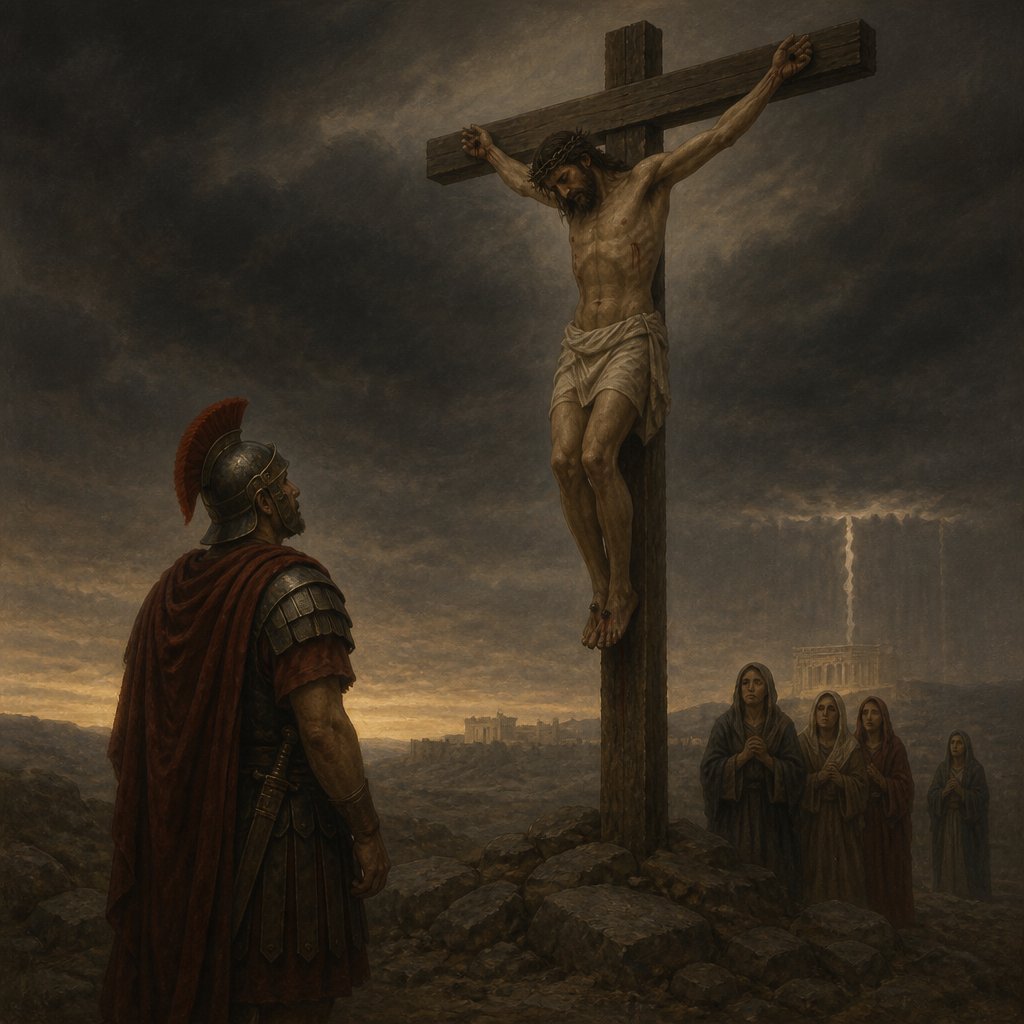
The Bible verse Mark 15:33-41 in the King James Version (KJV) reads:
33 And when the sixth hour was come, there was darkness over the whole land until the ninth hour.
34 And at the ninth hour Jesus cried with a loud voice, saying, Eloi, Eloi, lama sabachthani? which is, being interpreted, My God, my God, why hast thou forsaken me?
35 And some of them that stood by, when they heard it, said, Behold, he calleth Elias.
36 And one ran and filled a spunge full of vinegar, and put it on a reed, and gave him to drink, saying, Let alone; let us see whether Elias will come to take him down.
37 And Jesus cried with a loud voice, and gave up the ghost.
38 And the veil of the temple was rent in twain from the top to the bottom.
39 And when the centurion, which stood over against him, saw that he so cried out, and gave up the ghost, he said, Truly this man was the Son of God.
40 There were also women looking on afar off: among whom was Mary Magdalene, and Mary the mother of James the less and of Joses, and Salome;
41 (Who also, when he was in Galilee, followed him, and ministered unto him;) and many other women which came up with him unto Jerusalem.
The passage from Mark 15:33-41 speaks about the crucifixion of Jesus Christ and its profound significance in the Christian faith. The events described here are among the most pivotal moments in the New Testament, serving as the culmination of Jesus' mission on earth.
The first significant detail mentioned in this passage is the darkness that covered the land from the sixth hour to the ninth hour. This darkness encompasses the earth in a symbolic shroud as the physical world reacts to the impending sacrifice of Jesus. This supernatural darkness signifies the spiritual weight of sin and the separation from God that Jesus was experiencing as he took on the sins of the world.
The next important moment is Jesus' cry on the cross, "Eloi, Eloi, lama sabachthani?" which translates to "My God, my God, why hast thou forsaken me?" This anguished cry reveals the depth of Jesus' suffering and reflects the fulfillment of the prophecies in the Old Testament, particularly Psalm 22, which foretold the Messiah's suffering and abandonment.
The reaction of the bystanders further illustrates the gravity of the moment. Some mistake Jesus' cry for a call to Elijah, showcasing a misunderstanding of the significance of his words. Meanwhile, a soldier offers Jesus vinegar, fulfilling another prophecy from Psalm 69:21, which adds another layer of fulfillment to the events of Jesus' crucifixion.
The death of Jesus on the cross is marked by a final cry, followed by the tearing of the temple veil from top to bottom. This veil symbolized the separation between God and humanity, and its tearing represents the opening of a new way to God through the sacrifice of Jesus. The centurion's declaration that Jesus was indeed the Son of God emphasizes the impact of Jesus' death on those who witnessed it, as even his executioner recognized his divine nature.
The presence of the women, including Mary Magdalene and Mary, the mother of James and Joses, at the cross is significant as well. These women had been faithful followers of Jesus throughout his ministry, and their presence at the crucifixion reflects their unwavering dedication to him, even in the darkest of moments. This also highlights the role of women in the life of Jesus and in the early Christian community.
Overall, the passage from Mark 15:33-41 in the King James Version (KJV) is a powerful depiction of the crucifixion of Jesus Christ and the immense significance of his sacrifice. It reveals the fulfillment of Old Testament prophecies, the spiritual implications of Jesus' suffering, and the impact of his death on those who witnessed it. The themes of sacrifice, fulfillment of prophecy, and devotion are central to this passage, emphasizing the foundational beliefs of the Christian faith and the central role of Jesus' crucifixion in the redemptive plan of God.
Get our apps


Artwork for Mark 15:33-41

Mark 15:33-41 - "Mark 15:33-41 At noon, darkness came over the whole land until three in the afternoon. And at three in the afternoon Jesus cried out in a loud voice, “Eloi, Eloi, lema sabachthani?” (which means “My God, my God, why have you forsaken me?”). When some of those standing near heard this, they said, “Listen, he’s calling Elijah.” Someone ran, filled a sponge with wine vinegar, put it on a staff, and offered it to Jesus to drink. “Now leave him alone. Let’s see if Elijah comes to take him down,” he said. With a loud cry, Jesus breathed his last. The curtain of the temple was torn in two from top to bottom. And when the centurion, who stood there in front of Jesus, saw how he died, he said, “Surely this man was the Son of God!” Some women were watching from a distance. Among them were Mary Magdalene, Mary the mother of James the younger and of Joseph, and Salome. In Galilee these women had followed him and cared for his needs. Many other women who had come up with him to Jerusalem were also there."
"Mark 15:33-41 At noon, darkness came over the whole land until three in the afternoon. And at three in the afternoon Jesus cried out in a loud voice, “Eloi, Eloi, lema sabachthani?” (which means “My God, my God, why have you forsaken me?”). When some of those standing near heard this, they said, “Listen, he’s calling Elijah.” Someone ran, filled a sponge with wine vinegar, put it on a staff, and offered it to Jesus to drink. “Now leave him alone. Let’s see if Elijah comes to take him down,” he said. With a loud cry, Jesus breathed his last. The curtain of the temple was torn in two from top to bottom. And when the centurion, who stood there in front of Jesus, saw how he died, he said, “Surely this man was the Son of God!” Some women were watching from a distance. Among them were Mary Magdalene, Mary the mother of James the younger and of Joseph, and Salome. In Galilee these women had followed him and cared for his needs. Many other women who had come up with him to Jerusalem were also there." - Mark 15:33-41

Mark 15:33 - "And when the sixth hour was come, there was darkness over the whole land until the ninth hour."
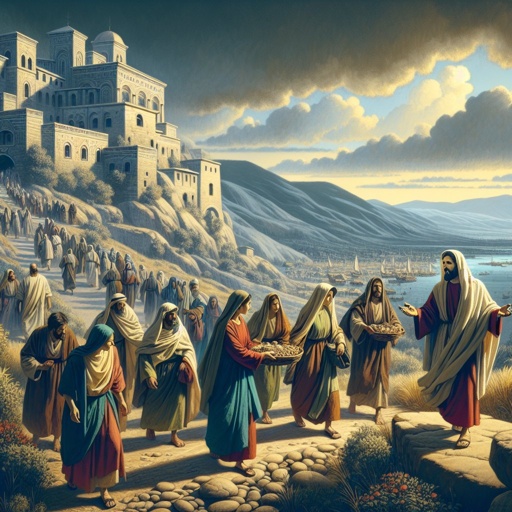
Mark 15:41 - "(Who also, when he was in Galilee, followed him, and ministered unto him;) and many other women which came up with him unto Jerusalem."

Ephesians 4:1-5

Mark 4:41

Mark 4:41

Mark 4:41

Mark 4:41

Mark 12:41 - 44
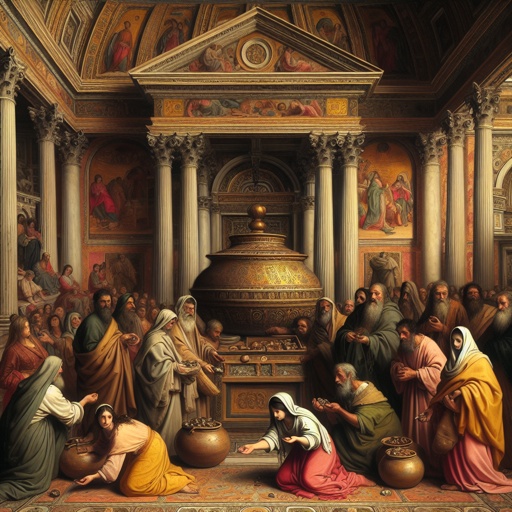
Mark 12:41 - 44

Numbers 33:41 - "And they departed from mount Hor, and pitched in Zalmonah."
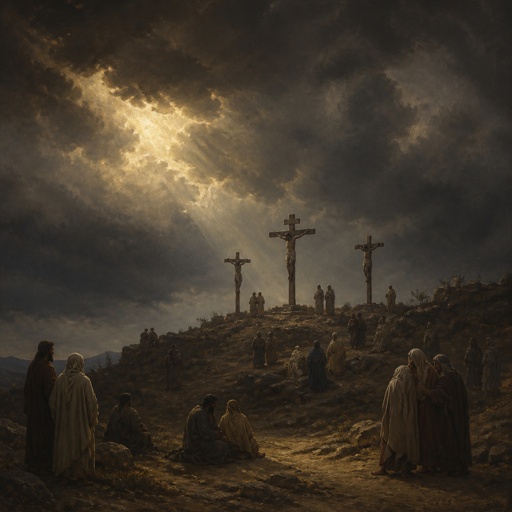
"And when the sixth hour was come, there was darkness over the whole land until the ninth hour." - Mark 15:33

Mark 12:41 - 44

Mark 12:41 - 44

Mark 12:41 - 44

Mark 4:35-41

Ephesians 4:1-5

Ephesians 4:1-5

Ephesians 4:1-5

Ephesians 4:1-5

Exodus 4:1-5

Ephesians 4:1-5

Ephesians 4:1-5

Ephesians 4:1-5

Ephesians 4:1-5

Ephesians 4:1-5

Ephesians 4:1-5

Ephesians 4:1-5

Ephesians 4:1-5