The Lord of the Sabbath: Understanding Mercy Over Sacrifice
“How he went into the house of God in the days of Abiathar the high priest, and did eat the shewbread, which is not lawful to eat but for the priests, and gave also to them which were with him?” — Mark 2:26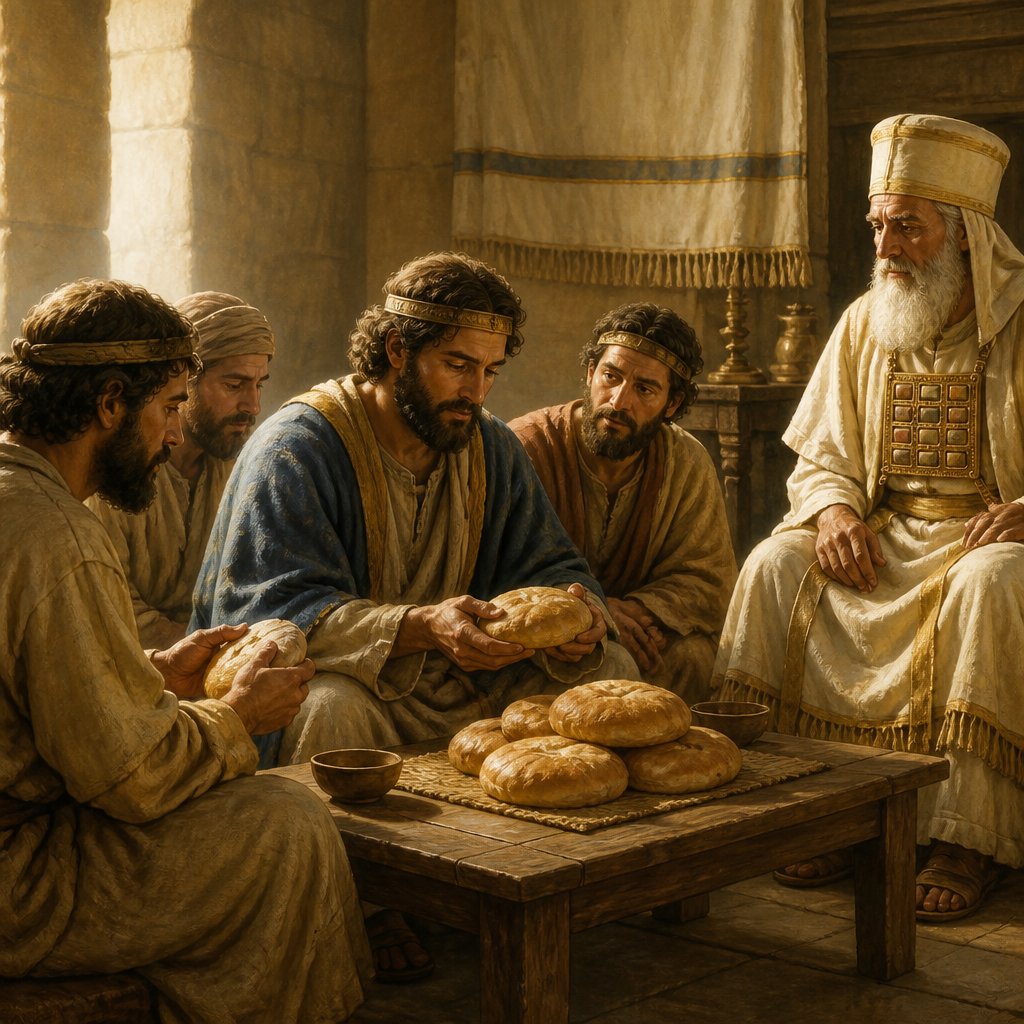
In the Gospel of Mark 2:26, we encounter a profound moment where Jesus invokes an Old Testament narrative to highlight God’s heart for mercy over rigid religious observance. The verse reads, "How he went into the house of God in the days of Abiathar the high priest, and did eat the shewbread, which is not lawful to eat but for the priests, and gave also to them which were with him?" This event propels us into a deeper understanding of God’s grace and the purpose behind the laws governing worship and humanity.
The context of this scripture is essential. Jesus, being scrutinized by the Pharisees for allowing His disciples to pluck grain on the Sabbath, recalls the story of David. While fleeing from King Saul, David and his men were hungry and approached Abiathar, the high priest, asking for sustenance. Abiathar, in an act of desperate mercy, provided them with the shewbread—twelve loaves that were placed in the temple as an offering to God and were only meant for the priests to consume. Through this reference, Jesus opens up discussions about what it means to fulfill the law and, ultimately, to obey the desires of God.
At first glance, one might wonder why Jesus chose this particular instance to justify the actions of His disciples. However, He does it to illustrate a critical concept: God does not desire mere ritualistic adherence to laws but seeks a relationship rooted in mercy, compassion, and understanding. It’s vital to remember that the Sabbath was made for man, not man for the Sabbath (Mark 2:27). This point underscores that God designed spiritual practices to aid and nourish, not burden or restrict. The shewbread—a symbol of God’s provision—was given not just for survival but also signifies a deeper communion with Him.
In today’s society, many face similar predicaments as the Pharisees and David. We might find ourselves caught in the web of tradition and legalism, focusing on what is right according to established rules rather than being attuned to the heart of God’s message. Let's consider how often we prioritize keeping up appearances over expressing genuine love and care for those around us. Jesus challenges us to look into our own hearts. Are we participating in faith practices because we believe it truly honors God, or are we merely fulfilling our religious obligations?
The very act of David eating the shewbread is rich with symbolism; it reflects God’s provision during times of need and the lengths He will go to ensure our survival. When Jesus gives the shewbread not only to himself but also to those who were hungry with him, He demonstrates that God’s love and commandments are meant to be shared—to extend beyond oneself and to be a blessing to others. This mirrors the core of Christian teaching—serving others, loving the least, and practicing generous hospitality.
As followers of Christ, we are reminded that God’s laws are not meant to restrict but to guide us into full life. Our understanding of God’s commandments should always filter through the lens of mercy. We must ask ourselves: Are we extending grace to those who are weary, confused, or simply trying to navigate their faith journeys? In where we prioritize our focus—mercy or mere duty—lies the truth of our relationship with God.
This passage in Mark serves as a clarion call. As we gather for worship, let us reflect on how we embody the love of Christ in our communities. Let us also remember the teachings of Jesus; He is the Lord of the Sabbath, who invites us to walk in mercy—a divine gift that brings freedom and renewal. In this grace, may we find sustenance for our souls and the courage to extend that mercy to others, becoming agents of His love in a world that desperately needs it.
Get our apps


Artwork for Mark 2:26

Mark 2:26 - "How he went into the house of God in the days of Abiathar the high priest, and did eat the shewbread, which is not lawful to eat but for the priests, and gave also to them which were with him?"
"How he went into the house of God in the days of Abiathar the high priest, and did eat the shewbread, which is not lawful to eat but for the priests, and gave also to them which were with him?" - Mark 2:26

Mark 2:6 - "But there were certain of the scribes sitting there, and reasoning in their hearts,"
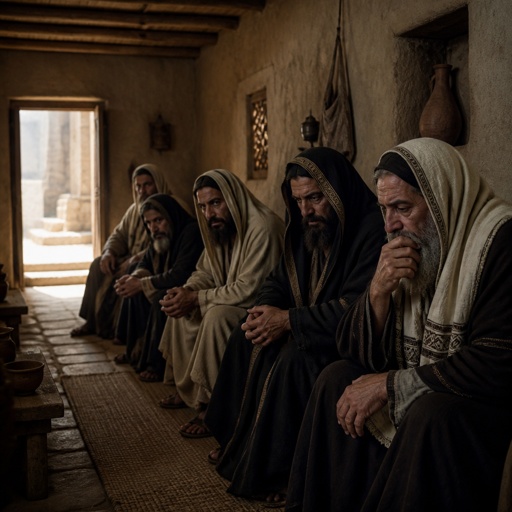
"But there were certain of the scribes sitting there, and reasoning in their hearts," - Mark 2:6

Mark 15:26 - "And the superscription of his accusation was written over, THE KING OF THE JEWS."

Mark 14:26 - "¶ And when they had sung an hymn, they went out into the mount of Olives."

Mark 13:26 - "And then shall they see the Son of man coming in the clouds with great power and glory."
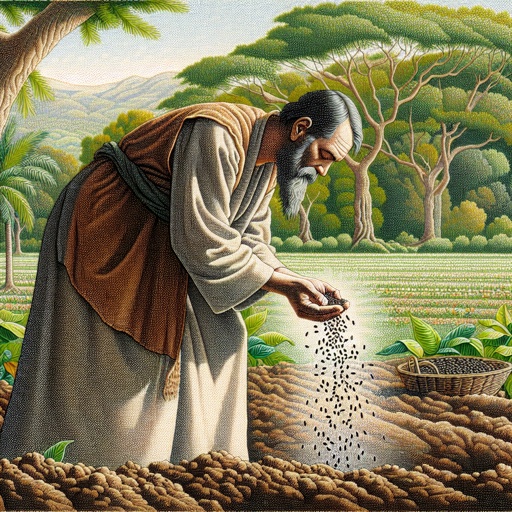
Mark 4:26 (KJVA) 26 And he said, So is the kingdom of God, as if a man should cast seed into the ground;

Mark 10:26 - "And they were astonished out of measure, saying among themselves, Who then can be saved?"

Mark 4:26 - "¶ And he said, So is the kingdom of God, as if a man should cast seed into the ground;"

Mark 3:26 - "And if Satan rise up against himself, and be divided, he cannot stand, but hath an end."

Mark 11:26 - "But if ye do not forgive, neither will your Father which is in heaven forgive your trespasses."

1 Chronicles 26:2 - "And the sons of Meshelemiah were, Zechariah the firstborn, Jediael the second, Zebadiah the third, Jathniel the fourth,"

Mark 1:26 - "And when the unclean spirit had torn him, and cried with a loud voice, he came out of him."

Mark 8:26 - "And he sent him away to his house, saying, Neither go into the town, nor tell it to any in the town."

Mark 2:2
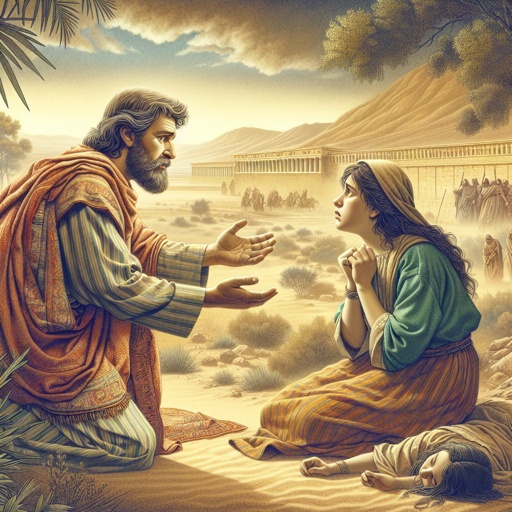
Mark 7:26 - "The woman was a Greek, a Syrophenician by nation; and she besought him that he would cast forth the devil out of her daughter."

Mark 6:26 - "And the king was exceeding sorry; yet for his oath's sake, and for their sakes which sat with him, he would not reject her."

Mark 5:26 - "And had suffered many things of many physicians, and had spent all that she had, and was nothing bettered, but rather grew worse,"

Mark 9:26 - "And the spirit cried, and rent him sore, and came out of him: and he was as one dead; insomuch that many said, He is dead."
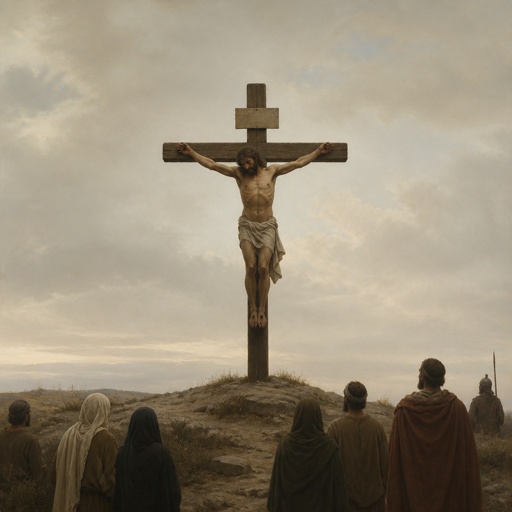
"And the superscription of his accusation was written over, THE KING OF THE JEWS." - Mark 15:26

Mark 2

Mark 2
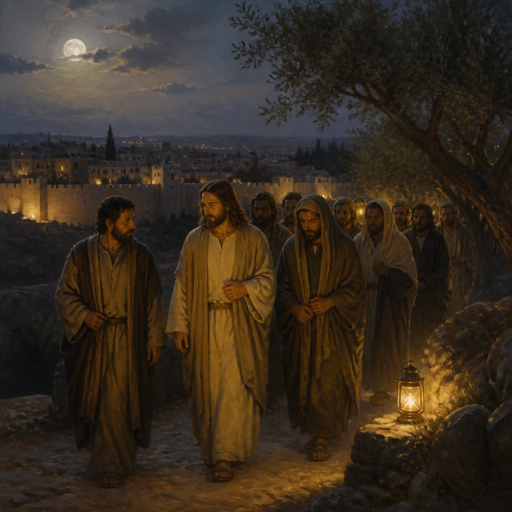
"¶ And when they had sung an hymn, they went out into the mount of Olives." - Mark 14:26

Mark 9:2 Show only 4 people Show a mountain area According to Mark 9:2

mark 2:4

Mark 2:1

Mark 2:27

Mark 2:10

mark 2:4