What does Mark 2:26 mean?
“How he went into the house of God in the days of Abiathar the high priest, and did eat the shewbread, which is not lawful to eat but for the priests, and gave also to them which were with him?” — Mark 2:26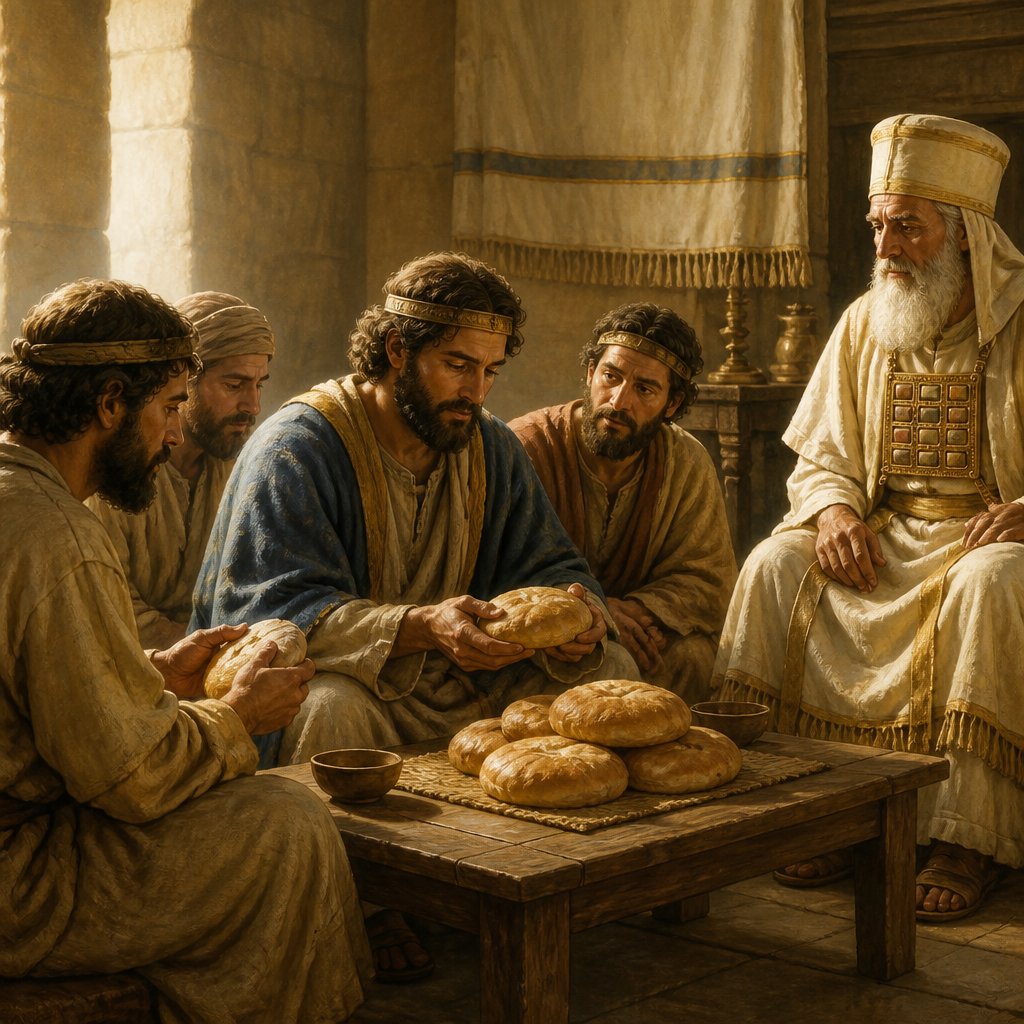
The Bible verse Mark 2:26 in the King James Version (KJV) reads, "How he went into the house of God in the days of Abiathar the high priest, and did eat the shewbread, which is not lawful to eat but for the priests, and gave also to them which were with him?" This verse is part of a larger passage in the Gospel of Mark that tells the story of Jesus and his disciples walking through a field of grain on the Sabbath and plucking heads of grain to eat. This act of supposed Sabbath-breaking leads the Pharisees to confront Jesus, and in response, he refers to an incident involving King David and his men, when they ate the consecrated bread in the house of God.
The verse raises several important themes, including the concept of righteousness, the authority of Jesus, and the spiritual interpretation of the law. It also provides insight into the character and mission of Jesus, as well as the purpose of the Sabbath. In order to fully understand the significance of this verse, it is important to examine its context and symbolism within the larger narrative of the Gospel of Mark.
The story of Jesus and his disciples plucking grain on the Sabbath takes place within the broader theme of conflict between Jesus and the religious authorities of his time. The Pharisees, who were known for their strict adherence to the Jewish law, confront Jesus about his disciples' actions, accusing them of breaking the Sabbath. In response, Jesus points to the example of David, who, when he was in need, entered the house of God and ate the consecrated bread, which was meant only for the priests. By referencing this story, Jesus is challenging the Pharisees' narrow interpretation of the law and asserting his own authority as the Son of God.
The verse also raises questions about the nature of righteousness and the purpose of the law. In the Old Testament story of David, he and his men were hungry and in need, and the consecrated bread provided them with sustenance. Jesus uses this example to show that compassion and human need take precedence over rigid adherence to religious rituals and regulations. This challenges the Pharisees' understanding of righteousness and invites readers to consider the true spirit of the law, which is grounded in love, mercy, and justice.
Furthermore, this verse illuminates the character and mission of Jesus as the Messiah. By invoking the story of David and presenting himself as greater than the temple, Jesus is claiming a new authority that transcends the traditional religious institutions of his time. He is signaling a shift in the purpose and interpretation of the law, emphasizing the principles of love and compassion over legalistic observance. Jesus is establishing himself as the fulfillment of the law and the ultimate source of truth and righteousness.
In addition, the verse provides insight into the purpose of the Sabbath. The Sabbath was instituted by God as a day of rest and holiness, but over time, it had become burdened with legalistic regulations and restrictions. Jesus' actions and teachings throughout the Gospels demonstrate a reinterpretation of the Sabbath, emphasizing its true intent as a time for spiritual renewal, restoration, and reflection on God's goodness. By challenging the Pharisees' understanding of the Sabbath, Jesus is redefining its significance and calling his followers to a deeper, more meaningful observance of this sacred day.
The symbolism in this verse is rich and multi-layered. The house of God represents the sacred space of worship and communion with the divine. The consecrated bread symbolizes the provisions of God and the spiritual nourishment that sustains His people. The example of David and his men eating the shewbread illustrates the principle of mercy and compassion superseding legalistic observance. Additionally, Jesus himself embodies the ultimate fulfillment of the law and the embodiment of divine grace and truth.
In conclusion, Mark 2:26 in the KJV presents a powerful and thought-provoking message about the nature of righteousness, the authority of Jesus, the purpose of the law, and the true significance of the Sabbath. This verse challenges traditional religious norms and invites readers to embrace a deeper, more authentic spirituality rooted in love, compassion, and devotion to God. By understanding the context, themes, and symbolism of this verse, we gain a deeper appreciation for the transformative message of Jesus and the timeless truths of the Gospel.
Get our apps


Artwork for Mark 2:26

Mark 2:26 - "How he went into the house of God in the days of Abiathar the high priest, and did eat the shewbread, which is not lawful to eat but for the priests, and gave also to them which were with him?"
"How he went into the house of God in the days of Abiathar the high priest, and did eat the shewbread, which is not lawful to eat but for the priests, and gave also to them which were with him?" - Mark 2:26

Mark 2:6 - "But there were certain of the scribes sitting there, and reasoning in their hearts,"
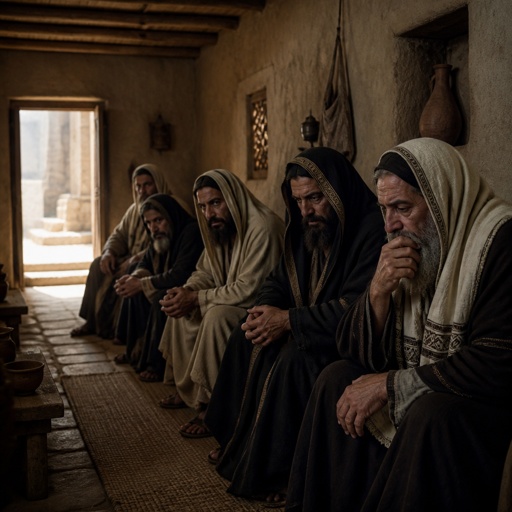
"But there were certain of the scribes sitting there, and reasoning in their hearts," - Mark 2:6

Mark 15:26 - "And the superscription of his accusation was written over, THE KING OF THE JEWS."

Mark 14:26 - "¶ And when they had sung an hymn, they went out into the mount of Olives."

Mark 13:26 - "And then shall they see the Son of man coming in the clouds with great power and glory."
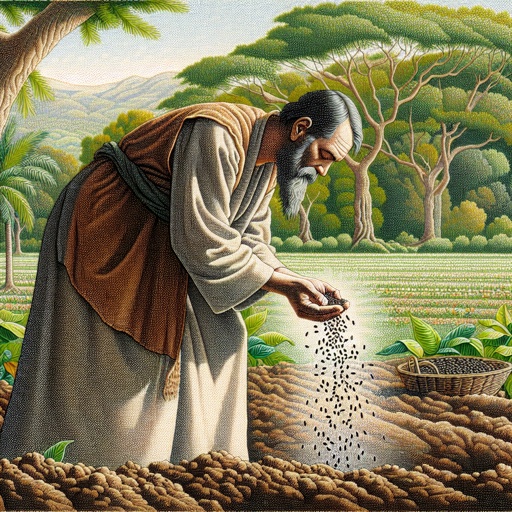
Mark 4:26 (KJVA) 26 And he said, So is the kingdom of God, as if a man should cast seed into the ground;
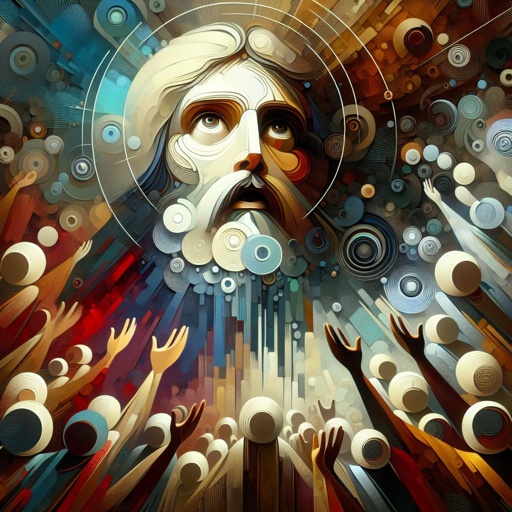
Mark 10:26 - "And they were astonished out of measure, saying among themselves, Who then can be saved?"

Mark 4:26 - "¶ And he said, So is the kingdom of God, as if a man should cast seed into the ground;"

Mark 3:26 - "And if Satan rise up against himself, and be divided, he cannot stand, but hath an end."

Mark 11:26 - "But if ye do not forgive, neither will your Father which is in heaven forgive your trespasses."

1 Chronicles 26:2 - "And the sons of Meshelemiah were, Zechariah the firstborn, Jediael the second, Zebadiah the third, Jathniel the fourth,"

Mark 1:26 - "And when the unclean spirit had torn him, and cried with a loud voice, he came out of him."

Mark 8:26 - "And he sent him away to his house, saying, Neither go into the town, nor tell it to any in the town."

Mark 2:2
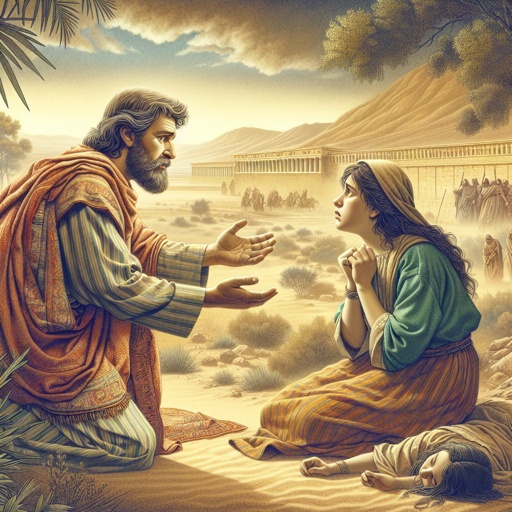
Mark 7:26 - "The woman was a Greek, a Syrophenician by nation; and she besought him that he would cast forth the devil out of her daughter."

Mark 6:26 - "And the king was exceeding sorry; yet for his oath's sake, and for their sakes which sat with him, he would not reject her."

Mark 5:26 - "And had suffered many things of many physicians, and had spent all that she had, and was nothing bettered, but rather grew worse,"

Mark 9:26 - "And the spirit cried, and rent him sore, and came out of him: and he was as one dead; insomuch that many said, He is dead."
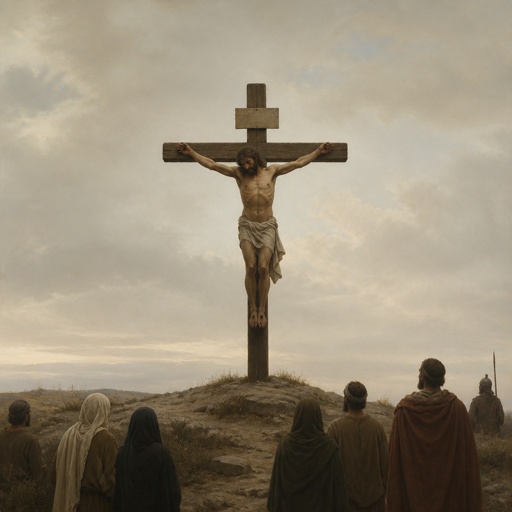
"And the superscription of his accusation was written over, THE KING OF THE JEWS." - Mark 15:26

Mark 2

Mark 2
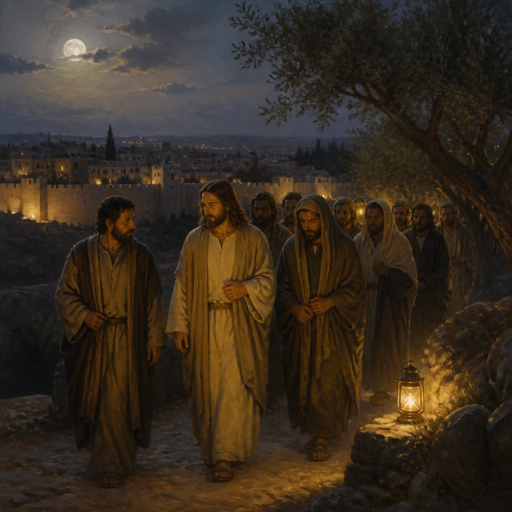
"¶ And when they had sung an hymn, they went out into the mount of Olives." - Mark 14:26

Mark 9:2 Show only 4 people Show a mountain area According to Mark 9:2

mark 2:4

Mark 2:1

Mark 2:27

Mark 2:10

mark 2:4