Divine Revelation: The Blessing of Knowing Christ
“And Jesus answered and said unto him, Blessed art thou, Simon Bar-jona: for flesh and blood hath not revealed it unto thee, but my Father which is in heaven.” — Matthew 16:17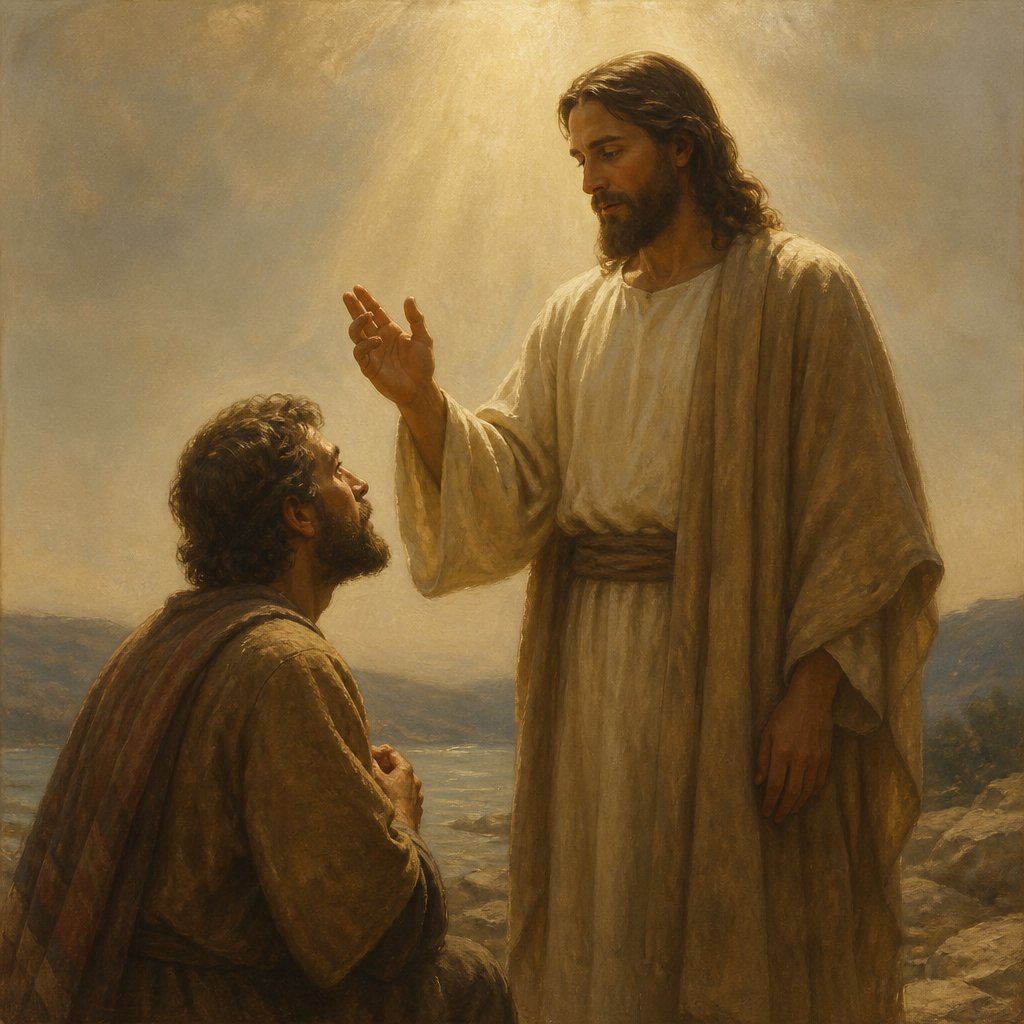
In Matthew 16:17, we encounter a pivotal moment in the life of Simon Peter, one of the foremost disciples of Jesus. The verse states, "And Jesus answered and said unto him, Blessed art thou, Simon Bar-jona: for flesh and blood hath not revealed it unto thee, but my Father which is in heaven." This profound statement encapsulates the essence of divine revelation and the significant distinction between human understanding and spiritual insight.
To appreciate the weight of Jesus' words, we need to consider the context of this exchange. Earlier in the chapter, Jesus poses a question to His disciples: "Whom do men say that I, the Son of man, am?" (Matthew 16:13). After listening to various opinions, He then directs His question personally to them: "But whom say ye that I am?" (Matthew 16:15). At that moment, Simon Peter boldly declares, "Thou art the Christ, the Son of the living God" (Matthew 16:16). This declaration is monumental, for it acknowledges Jesus not merely as a prophet or teacher, but as the Messiah – the Son of God.
Jesus' immediate response to Peter outlines both a blessing and a revelation: "Blessed art thou, Simon Bar-jona: for flesh and blood hath not revealed it unto thee, but my Father which is in heaven." Here, we see that Peter's understanding hinges entirely not on human wisdom but on the revelation of God the Father. This points us toward an essential truth that permeates our faith journey: true knowledge of God and His Son can only come through divine enlightenment.
In our modern context, we often encounter a plethora of opinions and interpretations concerning Jesus. Various philosophies, religions, and worldviews attempt to quantify His identity, and many can provide compelling arguments. Yet, understanding who Jesus is, requires more than intellectual assent; it demands the illumination of the Holy Spirit. As Christians, we recognize that humanity, in its fallen state, is limited in its capacity to comprehend spiritual truths without divine intervention. Just as Peter's insight into the identity of Christ was a result of divine revelation, we too, must rely on God to unveil the truths of His Word and His nature.
This raises an important question within our hearts: Are we seeking to know Jesus through our own effort, or are we inviting the Holy Spirit to guide us? Often we rush into reading Scripture or participating in sermons with the intent to gather knowledge, but without a true posture of dependence, we may miss the nourishment that comes from spiritual understanding. In contrast, Jesus teaches us to posture our hearts with humility and a willingness to receive wisdom from above.
Moreover, this divine blessing comes with a significant calling. As implied in Jesus' response, the revelation of Christ establishes a responsibility. When Peter comprehended Jesus' identity, it paved the way for his mission as a foundational leader of the early church. Likewise, as we come to know Christ more deeply through divine revelation, we are called to share this knowledge with others. The blessing of understanding carries the weight of responsibility – a mandate to fulfill the Great Commission.
Thus, in our daily walk with Christ, let us ask ourselves: Are we content with surface-level understanding, or do we earnestly seek the depths of God’s revelation? As we cultivate an attitude of prayer and expectancy, we open ourselves to the truth that God delights in revealing Himself to those who earnestly seek Him.
In conclusion, Matthew 16:17 not only encourages us by affirming the blessing of divine revelation but also challenges us to actively pursue a personal and transformative relationship with Jesus Christ. May we always be willing to go beyond flesh and blood and into the depths of understanding that only our heavenly Father can provide. In recognizing Jesus as the Son of God, let us also embolden ourselves to share this revelation with the world around us.
Get our apps


Artwork for Matthew 16:17

Matthew 16:17 - "And Jesus answered and said unto him, Blessed art thou, Simon Bar-jona: for flesh and blood hath not revealed it unto thee, but my Father which is in heaven."
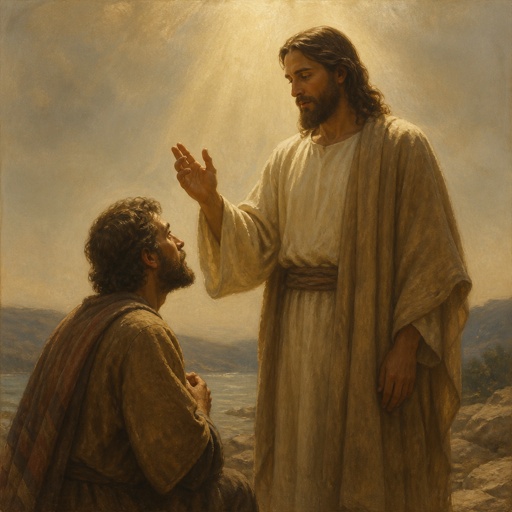
"And Jesus answered and said unto him, Blessed art thou, Simon Bar-jona: for flesh and blood hath not revealed it unto thee, but my Father which is in heaven." - Matthew 16:17

Matthew 19:16-17

Matthew 17:16 - "And I brought him to thy disciples, and they could not cure him."
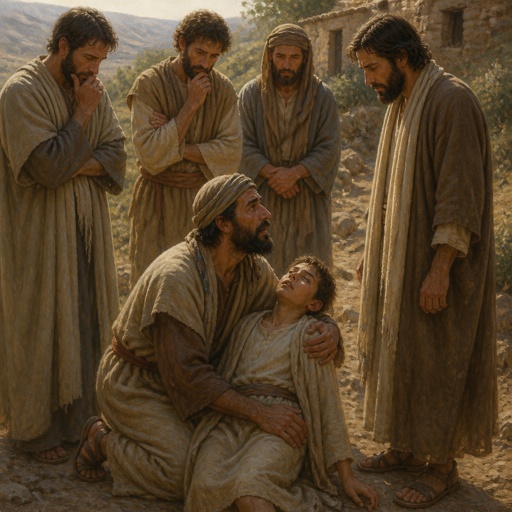
"And I brought him to thy disciples, and they could not cure him." - Matthew 17:16

Matthew 11:16-17 - "But to what shall I compare this generation? It is like children sitting in the marketplaces and calling to their playmates, 'We played the flute for you, and you did not dance; we sang a dirge, and you did not mourn.'"

Matthew 17:17-18

Matthew 17:17-18

Matthew 3:16

Matthew 3:16

Matthew 3:16

Matthew 6:17

Matthew 17:20

Matthew 17:20

Matthew 8:16-17 - "When evening came, many who were demon-possessed were brought to him, and he drove out the spirits with a word and healed all the sick. This was to fulfill what was spoken through the prophet Isaiah: "He took up our infirmities and bore our diseases.""

Matthew 16:25

Matthew 16:16 - "And Simon Peter answered and said, Thou art the Christ, the Son of the living God."

Galatians 5:16-17

Galatians 5:16-17

Matthew 19:16-17 - "Just then a man came up to Jesus and asked, “Teacher, what good thing must I do to get eternal life?” “Why do you ask me about what is good?” Jesus replied. “There is only One who is good. If you want to enter life, keep the commandments.”"

Matthew 6:17-18

Matthew 17:14-21

Matthew 17:14-15

Matthew 3:13-17

1 corinthians 3:16-17

1 corinthians 3:16-17

1 corinthians 3:16-17

Genesis 17-16

Romans 16:17

Matthew 9:16-17 - "No one sews a patch of unshrunk cloth on an old garment, for the patch will pull away from the garment, making the tear worse. Neither do people pour new wine into old wineskins. If they do, the skins will burst; the wine will run out and the wineskins will be ruined. No, they pour new wine into new wineskins, and both are preserved."