What does Matthew 16:17 mean?
“And Jesus answered and said unto him, Blessed art thou, Simon Bar-jona: for flesh and blood hath not revealed it unto thee, but my Father which is in heaven.” — Matthew 16:17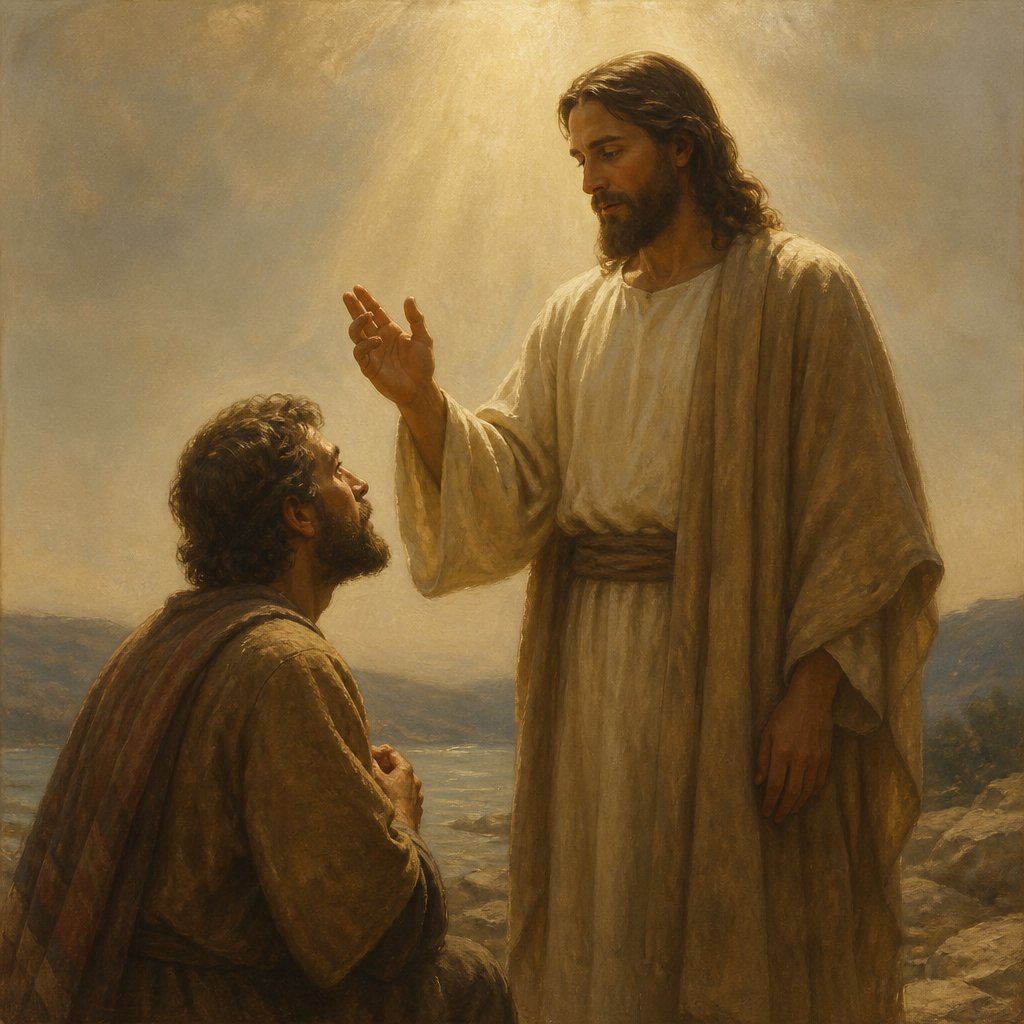
Matthew 16:17 (KJV) reads, "And Jesus answered and said unto him, Blessed art thou, Simon Bar-jona: for flesh and blood hath not revealed it unto thee, but my Father which is in heaven."
This verse occurs in the New Testament of the Bible and is part of a larger passage in which Jesus reveals his true identity to his disciples. Prior to this verse, Jesus asks his disciples who they believe he is. Simon Peter responds, saying, "Thou art the Christ, the Son of the living God." Jesus commends Peter for his confession and makes the statement in Matthew 16:17 in response to Peter's declaration.
This verse holds several layers of meaning and significance. At its core, it emphasizes the divine revelation of Jesus' identity. Jesus acknowledges that Peter's understanding of his true nature did not come from human reasoning or logic, but from a divine source—the Father in heaven. This acknowledgment serves to underscore the spiritual nature of belief in Jesus and the importance of divine revelation in understanding and accepting him as the Son of God.
The verse also reflects the theme of spiritual insight and faith. The fact that Peter's understanding of Jesus' identity was revealed to him by God underscores the concept that true faith and knowledge of Christ come through a spiritual awakening rather than mere intellectual comprehension. It emphasizes the importance of listening to the voice of God and being open to divine revelation in order to truly grasp the significance of Jesus' identity and his role in the salvation of humanity.
Furthermore, the verse highlights the unique relationship between Jesus and his Father. By crediting the revelation of his identity to the Father in heaven, Jesus emphasizes his close connection with God. This statement reinforces the Trinitarian understanding of God as Father, Son, and Holy Spirit—a foundational belief in Christian theology.
Contextually, this verse comes at a crucial point in the narrative of Jesus' ministry. It marks a turning point in the disciples' understanding of who Jesus is and sets the stage for the revelation of the coming events of his death and resurrection. Jesus' acknowledgment of Peter's confession serves to affirm the disciples' growing understanding of his true identity and prepares them for the challenges that lie ahead.
Symbolically, the verse can be seen as a representation of the spiritual journey of all believers. It serves as a reminder that our understanding of Jesus and his significance in our lives is not simply a product of human reasoning or effort, but a result of divine revelation and grace. It underscores the importance of humility and openness to the guidance of the Holy Spirit in our spiritual growth and understanding of Christ.
In conclusion, Matthew 16:17 (KJV) holds deep theological and spiritual significance. It emphasizes the divine revelation of Jesus' identity, the importance of spiritual insight and faith, and the unique relationship between Jesus and his Father. It also serves as a reminder of the role of divine revelation in the journey of faith for all believers. This verse offers a profound and timeless message about the nature of belief in Christ and the spiritual awakening that is essential to truly understanding his identity and significance in our lives.
Get our apps


Artwork for Matthew 16:17

Matthew 16:17 - "And Jesus answered and said unto him, Blessed art thou, Simon Bar-jona: for flesh and blood hath not revealed it unto thee, but my Father which is in heaven."
"And Jesus answered and said unto him, Blessed art thou, Simon Bar-jona: for flesh and blood hath not revealed it unto thee, but my Father which is in heaven." - Matthew 16:17

Matthew 19:16-17

Matthew 17:16 - "And I brought him to thy disciples, and they could not cure him."
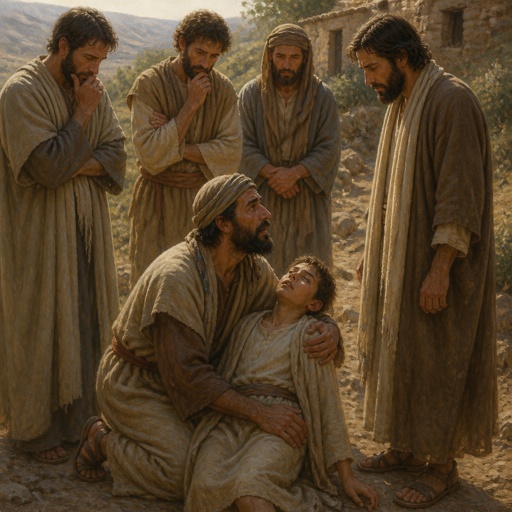
"And I brought him to thy disciples, and they could not cure him." - Matthew 17:16

Matthew 11:16-17 - "But to what shall I compare this generation? It is like children sitting in the marketplaces and calling to their playmates, 'We played the flute for you, and you did not dance; we sang a dirge, and you did not mourn.'"

Matthew 17:17-18

Matthew 17:17-18

Matthew 3:16

Matthew 3:16

Matthew 3:16

Matthew 6:17

Matthew 17:20

Matthew 17:20

Matthew 8:16-17 - "When evening came, many who were demon-possessed were brought to him, and he drove out the spirits with a word and healed all the sick. This was to fulfill what was spoken through the prophet Isaiah: "He took up our infirmities and bore our diseases.""

Matthew 16:25

Matthew 16:16 - "And Simon Peter answered and said, Thou art the Christ, the Son of the living God."

Galatians 5:16-17

Galatians 5:16-17

Matthew 19:16-17 - "Just then a man came up to Jesus and asked, “Teacher, what good thing must I do to get eternal life?” “Why do you ask me about what is good?” Jesus replied. “There is only One who is good. If you want to enter life, keep the commandments.”"

Matthew 6:17-18

Matthew 17:14-21

Matthew 17:14-15

Matthew 3:13-17

1 corinthians 3:16-17

1 corinthians 3:16-17

1 corinthians 3:16-17

Genesis 17-16

Romans 16:17

Matthew 9:16-17 - "No one sews a patch of unshrunk cloth on an old garment, for the patch will pull away from the garment, making the tear worse. Neither do people pour new wine into old wineskins. If they do, the skins will burst; the wine will run out and the wineskins will be ruined. No, they pour new wine into new wineskins, and both are preserved."