The Altar of Reconciliation: A Call to Restore Relationships
“Therefore if thou bring thy gift to the altar, and there rememberest that thy brother hath ought against thee; Leave there thy gift before the altar, and go thy way; first be reconciled to thy brother, and then come and offer thy gift. Agree with thine adversary quickly, whiles thou art in the way with him; lest at any time the adversary deliver thee to the judge, and the judge deliver thee to the officer, and thou be cast into prison. Verily I say unto thee, Thou shalt by no means come out thence, till thou hast paid the uttermost farthing.” — Matthew 5:23-26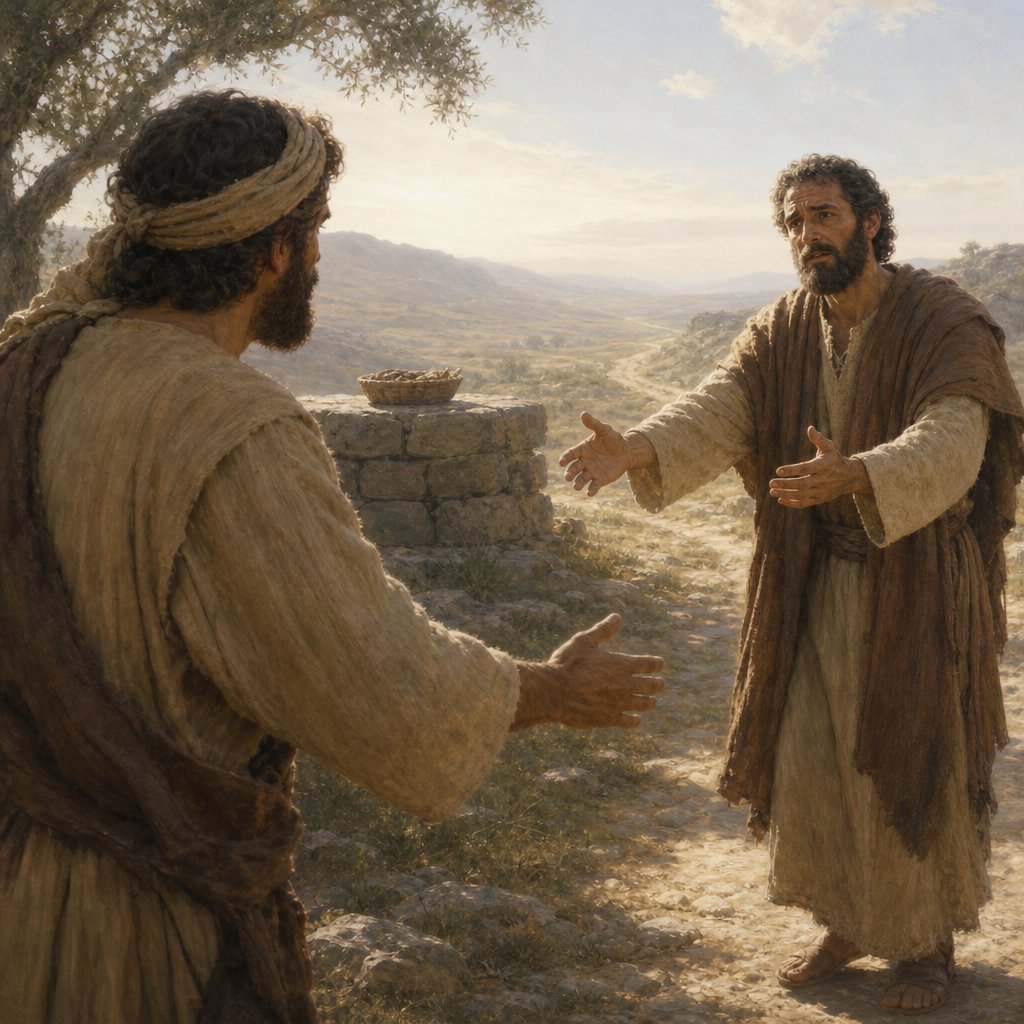
In the Sermon on the Mount, Jesus provides profound insight into the essence of true worship in Matthew 5:23-26 (KJV), stating, "Therefore if thou bring thy gift to the altar, and there rememberest that thy brother hath ought against thee; Leave there thy gift before the altar, and go thy way; first be reconciled to thy brother, and then come and offer thy gift." This directive challenges the very foundation of our worship, bringing to light the urgent need for reconciliation before we present our offerings to God.
At first glance, this passage emphasizes the importance of prioritizing our horizontal relationships with others over our vertical relationship with God. The act of bringing a gift to the altar symbolizes our desire to connect with God, to offer our praise, our prayers, or even our material gifts. Yet, Jesus shockingly interrupts the anticipated act of worship to point out that unresolved conflict with a brother must take precedence. The obstructed relationships with fellow believers can obstruct our communion with God.
This teaching invites us into a deeper understanding of what it means to live in community; it reflects the very heart of God who commands us to love our neighbors as ourselves. The emphasis on reconciliation suggests that our spiritual maturity is not solely measured by our religious practices but significantly by the love and grace we extend to others. Jesus stresses that our worship is unacceptable if we harbor resentment or unresolved conflicts, thus showing how deeply interconnected our relationships are.
Reconciling with our brothers and sisters in faith is not just an obligation; it is a reflection of the grace we have received through Christ. In Ephesians 4:32, Paul urges us to be kind one to another, tenderhearted, forgiving one another, even as God for Christ's sake hath forgiven you. Our ability to forgive and seek forgiveness signifies a tangible response to the unfathomable grace we have experienced. Failure to mend these bonds can lead to bitterness, which, as Hebrews 12:15 warns, can spring up and trouble us, leading many astray.
After teaching about reconciliation, Jesus continues, "Agree with thine adversary quickly, whiles thou art in the way with him; lest at any time the adversary deliver thee to the judge…" This segment emphasizes urgency and the wisdom of addressing conflicts swiftly. Holding onto grudges, allowing disputes to fester, and refusing to make amends can lead to dire consequences. Whether it leads to broken relationships or spiritual discontentment, unresolved issues hinder our walk with God. Choosing to agree with one’s adversary quickly does not imply compromising our beliefs but highlights the importance of humility, empathy, and the desire for harmony. It reminds us that we are called to be peacemakers in a world rife with division.
Jesus concludes with a sober warning about the consequences of unresolved conflict, stating that one may be cast into prison until the last farthing is paid. This metaphorical prison illustrates the shackles of bitterness, anger, and unresolved conflict. Those who refuse reconciliation can find themselves imprisoned by their grudges, unable to experience the peace and freedom God intends for us in Christ. This stark reminder encourages us not to trivialize our relationships or delay the pursuit of peace. It reinforces the necessity of acting swiftly to mend brokenness, emphasizing that there is no room for complacency in matters of the heart and fellowship.
As we reflect on these verses, let us examine our hearts for any unresolved conflicts or strained relationships. Are we withholding forgiveness? Are we hesitating to reach out to those who may feel hurt by us? These queries are not merely rhetorical; they are invitations from our Lord to take action. Let us commit this moment to God, seeking His power to mend broken relationships, restoring harmony spiritually as we present our gifts to the altar. In doing so, we not only honor God’s command, but we also cultivate a community of grace and love reflective of Christ’s heart.
Get our apps


Artwork for Matthew 5:23-26

Matthew 5:23-26 - "Therefore if thou bring thy gift to the altar, and there rememberest that thy brother hath ought against thee; Leave there thy gift before the altar, and go thy way; first be reconciled to thy brother, and then come and offer thy gift. Agree with thine adversary quickly, whiles thou art in the way with him; lest at any time the adversary deliver thee to the judge, and the judge deliver thee to the officer, and thou be cast into prison. Verily I say unto thee, Thou shalt by no means come out thence, till thou hast paid the uttermost farthing."
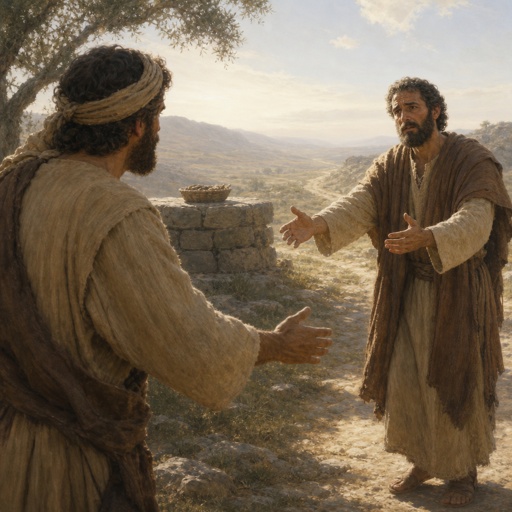
"Therefore if thou bring thy gift to the altar, and there rememberest that thy brother hath ought against thee; Leave there thy gift before the altar, and go thy way; first be reconciled to thy brother, and then come and offer thy gift. Agree with thine adversary quickly, whiles thou art in the way with him; lest at any time the adversary deliver thee to the judge, and the judge deliver thee to the officer, and thou be cast into prison. Verily I say unto thee, Thou shalt by no means come out thence, till thou hast paid the uttermost farthing." - Matthew 5:23-26

Matthieu 5:23-26

Matthew 26:5 - "But they said, Not on the feast day, lest there be an uproar among the people."

Matthew 26:23 - "And he answered and said, He that dippeth his hand with me in the dish, the same shall betray me."

Matthew 23:26 - "Thou blind Pharisee, cleanse first that which is within the cup and platter, that the outside of them may be clean also."

Matthew 23:5 - "But all their works they do for to be seen of men: they make broad their phylacteries, and enlarge the borders of their garments,"

Matthew 5:23 - "Therefore if thou bring thy gift to the altar, and there rememberest that thy brother hath ought against thee;"

Mathew 23:5 The
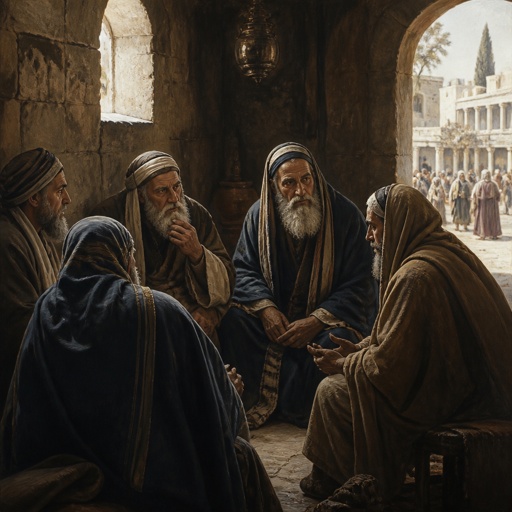
"But they said, Not on the feast day, lest there be an uproar among the people." - Matthew 26:5

Matthew 5:26 - "Verily I say unto thee, Thou shalt by no means come out thence, till thou hast paid the uttermost farthing."
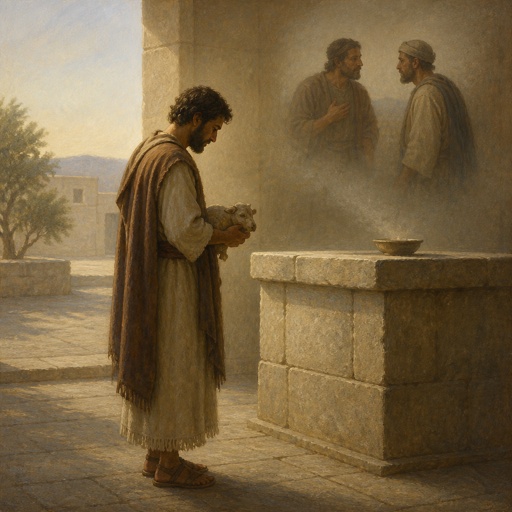
"Therefore if thou bring thy gift to the altar, and there rememberest that thy brother hath ought against thee;" - Matthew 5:23
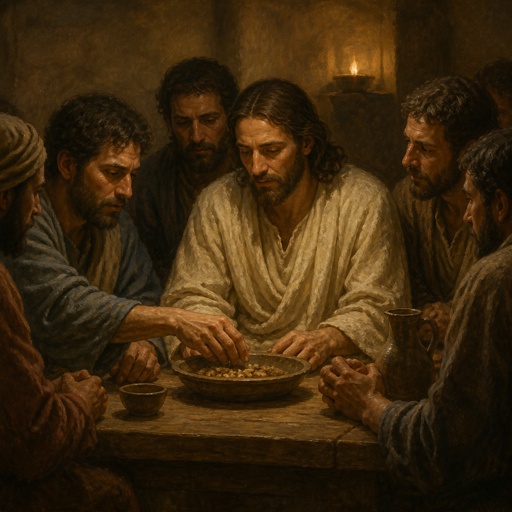
"And he answered and said, He that dippeth his hand with me in the dish, the same shall betray me." - Matthew 26:23
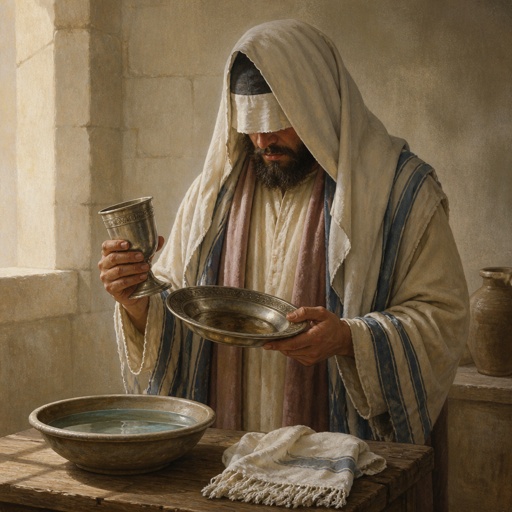
"Thou blind Pharisee, cleanse first that which is within the cup and platter, that the outside of them may be clean also." - Matthew 23:26

Matthew 6:23
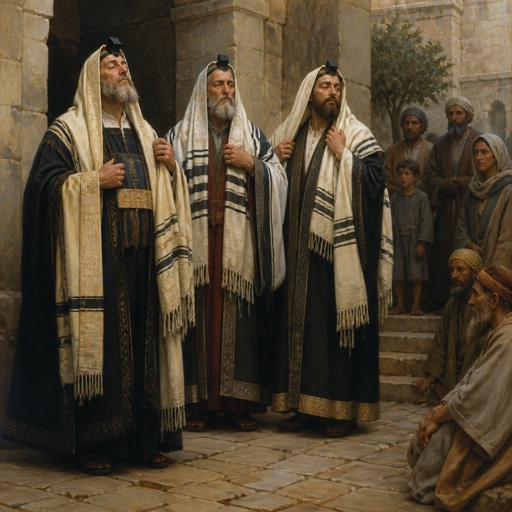
"But all their works they do for to be seen of men: they make broad their phylacteries, and enlarge the borders of their garments," - Matthew 23:5

Matthew 26:25

Matthew 26:15

Matthew 19:26

Matthew 26:15

Matthew 27:26

Matthew 5:23-24 - "Therefore, if you are offering your gift at the altar and there remember that your brother or sister has something against you, leave your gift there in front of the altar. First go and be reconciled to them; then come and offer your gift."

Matthew 27:26

Matthew 26:53

Matthew 26:41

Matthew 26:65

Matthew 26:53

Matthew 25:23

Matthew 2:23

Matthew 15:23