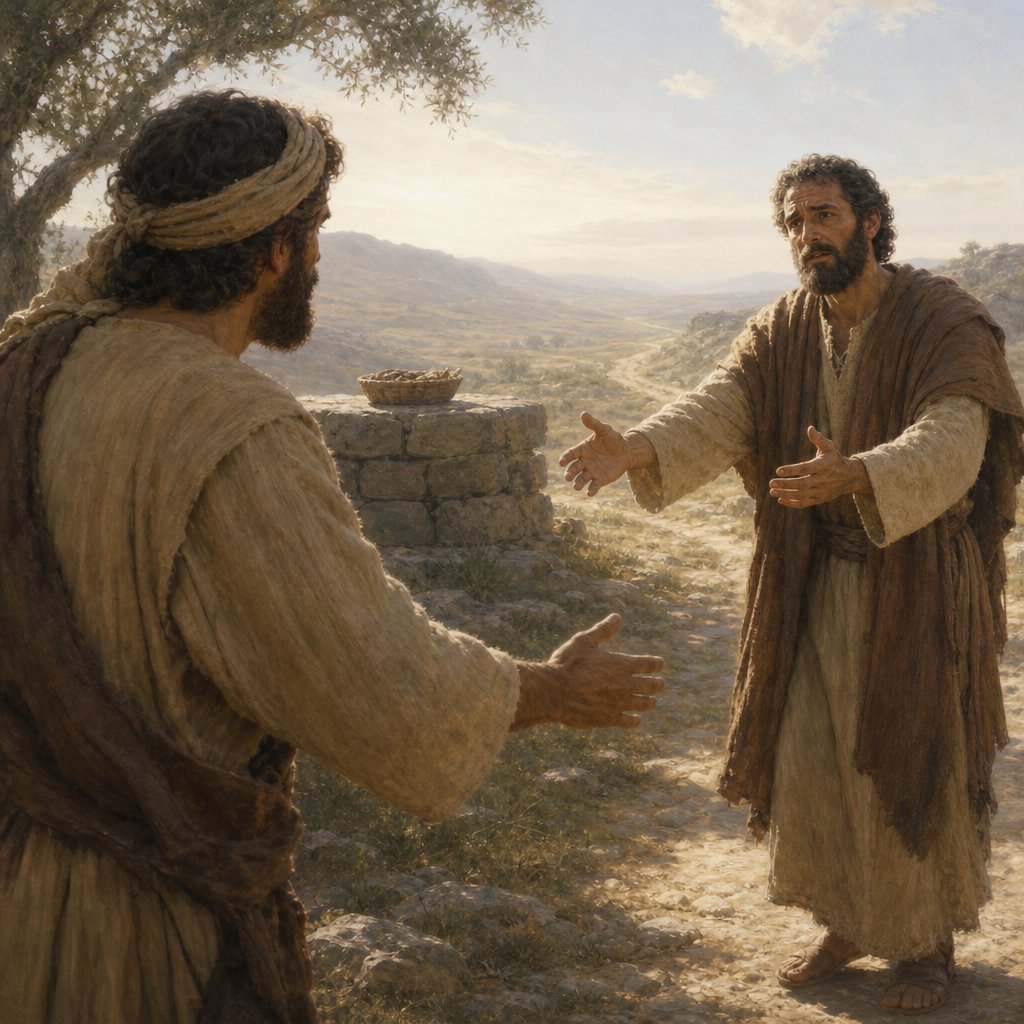
The Bible verse Matthew 5:23-26 from the King James Version (KJV) discusses the importance of reconciliation and forgiveness, and the consequences of not doing so. The verse reads:
"Therefore if thou bring thy gift to the altar, and there rememberest that thy brother hath ought against thee; Leave there thy gift before the altar, and go thy way; first be reconciled to thy brother, and then come and offer thy gift. Agree with thine adversary quickly, whiles thou art in the way with him; lest at any time the adversary deliver thee to the judge, and the judge deliver thee to the officer, and thou be cast into prison. Verily I say unto thee, Thou shalt by no means come out thence, till thou hast paid the uttermost farthing."
The passage begins with the word "therefore," which indicates that it is a continuation or a conclusion of a previous thought. In the verses prior to this, Jesus was teaching about anger and the commandment "Thou shalt not kill." He emphasizes the importance of addressing anger and resolving conflicts with others. This passage focuses on the practical application of this teaching in the context of religious practices.
The verse references bringing a gift to the altar, which was a common practice in the Jewish culture of that time. This gift or sacrifice was an outward expression of one's devotion to God. However, Jesus instructs that if someone remembers that their brother has something against them, they should set aside their external religious duty and prioritize reconciliation with their brother. This emphasizes that relationships and reconciliation with others take precedence over external religious actions.
The importance of reconciliation is further emphasized by the instruction to "agree with thine adversary quickly." This suggests that reconciliation should be pursued without delay, before conflicts escalate and lead to negative consequences. Jesus warns of the potential legal and social repercussions of unresolved conflicts, using the imagery of being delivered to the judge and cast into prison. The consequence of not reconciling is dire, and the urgency of the message is clear.
This passage is rich in symbolism and themes. The altar and the gift represent religious practices and offerings, while the brother and adversary represent relationships and conflicts with others. The passage emphasizes the interconnectedness of our relationships with others and our relationship with God. It teaches that true worship and devotion to God are reflected in how we treat and reconcile with others.
One of the overarching themes of this passage is the importance of reconciliation and forgiveness. Jesus teaches that these are essential components of the Christian life. He sets a high standard for his followers by prioritizing reconciliation over religious duties. This challenges the conventional understanding of righteousness and religious devotion. It emphasizes the heart and attitude of the individual, rather than outward adherence to religious practices.
Another theme is the urgency and seriousness of dealing with conflicts and unresolved issues. Jesus warns of the potential consequences of allowing conflicts to fester. This underscores the importance of addressing issues promptly and seeking reconciliation without delay.
In a broader context, this passage also aligns with the broader teachings of the Bible regarding love, forgiveness, and restoration. It echoes the sentiments of passages such as Matthew 18:15, which instructs believers to address conflicts directly, and Luke 6:37, which teaches about forgiveness and judging others.
In conclusion, Matthew 5:23-26 from the King James Version (KJV) offers a profound and challenging message about the priority of reconciliation and the urgency of addressing conflicts. It emphasizes the interconnectedness of our relationships with others and our relationship with God. The passage carries profound implications for Christian living, challenging believers to prioritize reconciliation and forgiveness over external religious practices, and underscoring the serious consequences of unresolved conflicts.
Get our apps


Artwork for Matthew 5:23-26

Matthew 5:23-26 - "Therefore if thou bring thy gift to the altar, and there rememberest that thy brother hath ought against thee; Leave there thy gift before the altar, and go thy way; first be reconciled to thy brother, and then come and offer thy gift. Agree with thine adversary quickly, whiles thou art in the way with him; lest at any time the adversary deliver thee to the judge, and the judge deliver thee to the officer, and thou be cast into prison. Verily I say unto thee, Thou shalt by no means come out thence, till thou hast paid the uttermost farthing."
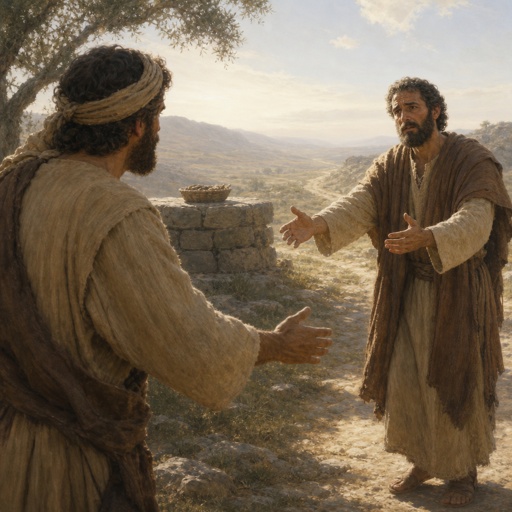
"Therefore if thou bring thy gift to the altar, and there rememberest that thy brother hath ought against thee; Leave there thy gift before the altar, and go thy way; first be reconciled to thy brother, and then come and offer thy gift. Agree with thine adversary quickly, whiles thou art in the way with him; lest at any time the adversary deliver thee to the judge, and the judge deliver thee to the officer, and thou be cast into prison. Verily I say unto thee, Thou shalt by no means come out thence, till thou hast paid the uttermost farthing." - Matthew 5:23-26

Matthieu 5:23-26

Matthew 26:5 - "But they said, Not on the feast day, lest there be an uproar among the people."

Matthew 26:23 - "And he answered and said, He that dippeth his hand with me in the dish, the same shall betray me."
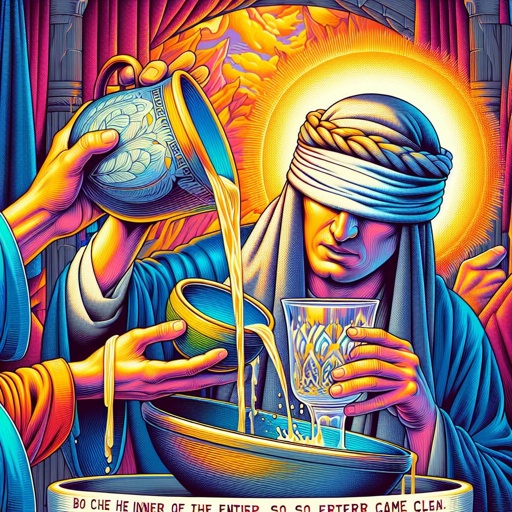
Matthew 23:26 - "Thou blind Pharisee, cleanse first that which is within the cup and platter, that the outside of them may be clean also."

Matthew 23:5 - "But all their works they do for to be seen of men: they make broad their phylacteries, and enlarge the borders of their garments,"

Matthew 5:23 - "Therefore if thou bring thy gift to the altar, and there rememberest that thy brother hath ought against thee;"

Mathew 23:5 The
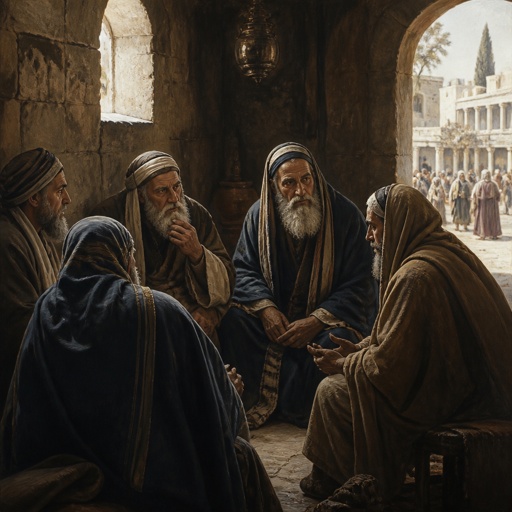
"But they said, Not on the feast day, lest there be an uproar among the people." - Matthew 26:5

Matthew 5:26 - "Verily I say unto thee, Thou shalt by no means come out thence, till thou hast paid the uttermost farthing."
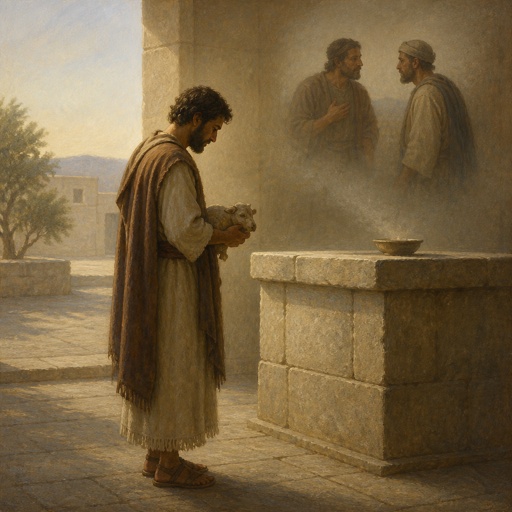
"Therefore if thou bring thy gift to the altar, and there rememberest that thy brother hath ought against thee;" - Matthew 5:23
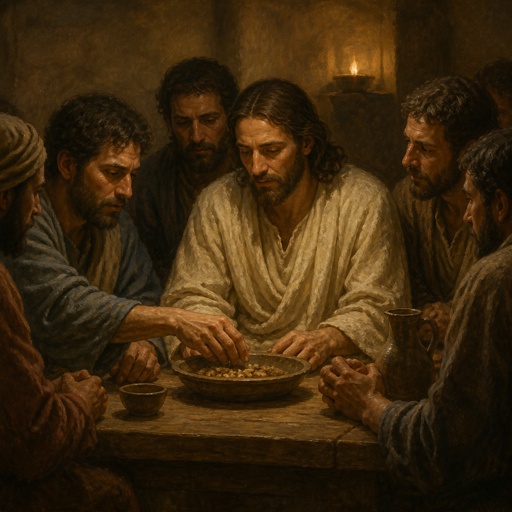
"And he answered and said, He that dippeth his hand with me in the dish, the same shall betray me." - Matthew 26:23
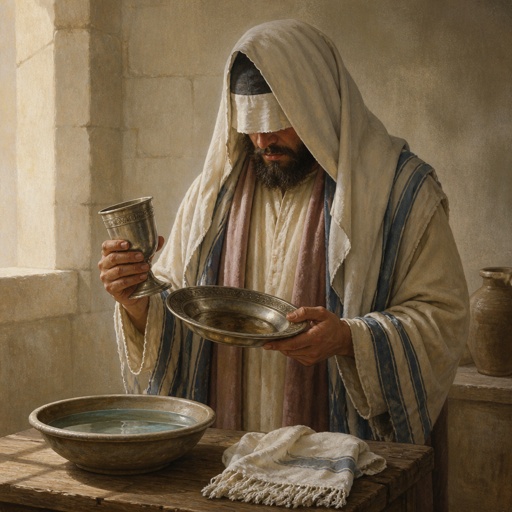
"Thou blind Pharisee, cleanse first that which is within the cup and platter, that the outside of them may be clean also." - Matthew 23:26

Matthew 6:23
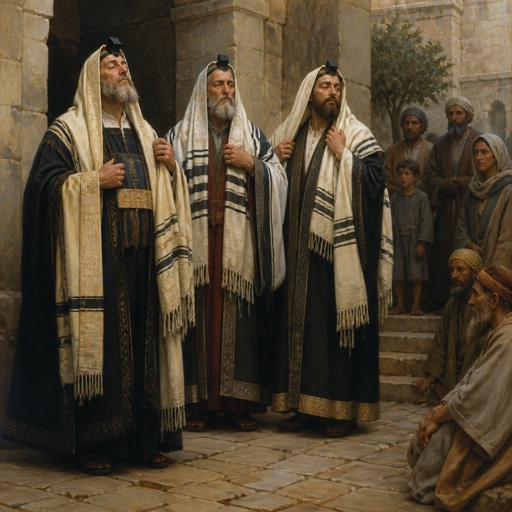
"But all their works they do for to be seen of men: they make broad their phylacteries, and enlarge the borders of their garments," - Matthew 23:5

Matthew 26:25

Matthew 26:15

Matthew 19:26

Matthew 26:15

Matthew 27:26

Matthew 5:23-24 - "Therefore, if you are offering your gift at the altar and there remember that your brother or sister has something against you, leave your gift there in front of the altar. First go and be reconciled to them; then come and offer your gift."

Matthew 27:26

Matthew 26:53

Matthew 26:41

Matthew 26:65

Matthew 26:53

Matthew 25:23

Matthew 2:23

Matthew 15:23