The Freedom of Forgiveness: A Divine Exchange
“And forgive us our debts, as we forgive our debtors.” — Matthew 6:12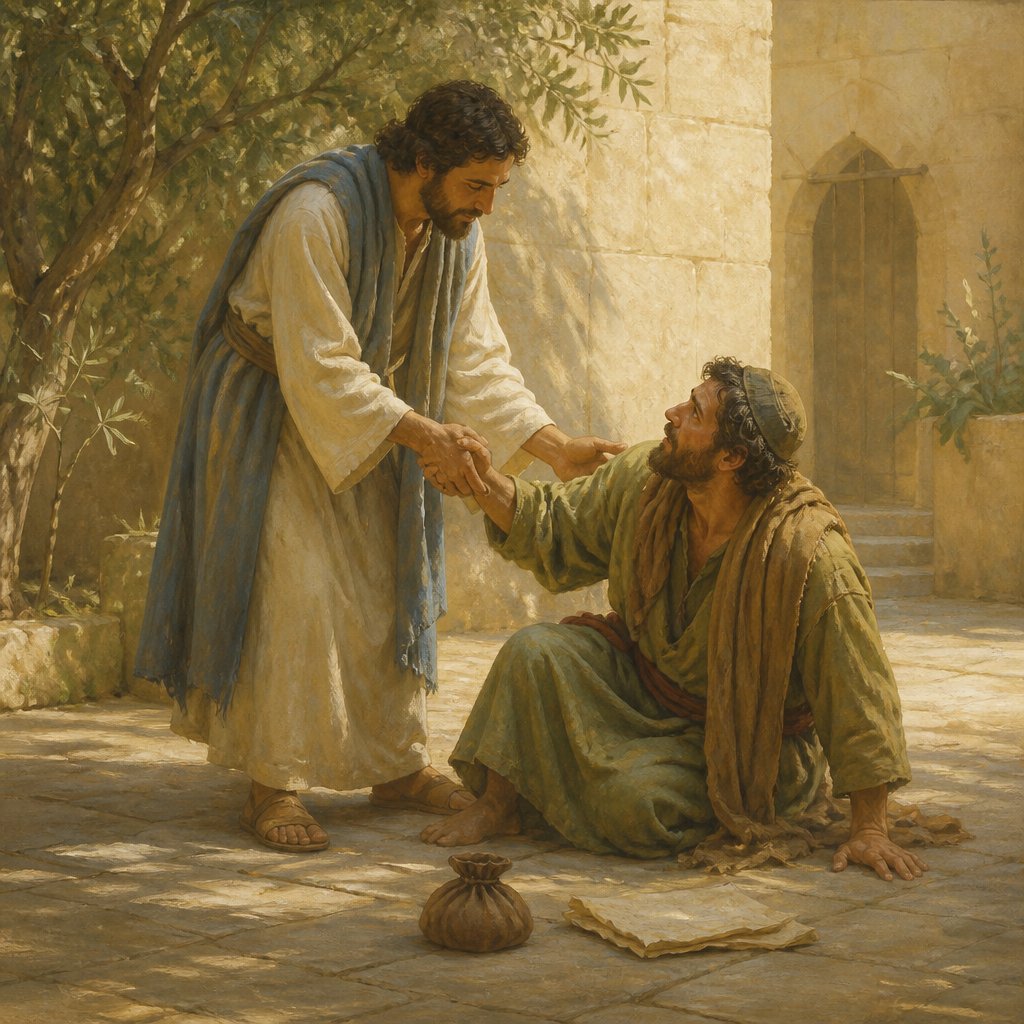
Matthew 6:12 states, "And forgive us our debts, as we forgive our debtors." These words, part of the Lord’s Prayer, encapsulate the profound relationship between God’s forgiveness towards us and our call to forgive others. In examining this verse, we delve into the nuances of forgiveness, the nature of our spiritual debts, and the transformative power that flows from practicing forgiveness in our lives.
The term "debts" here is significant. It speaks not only to material debts but extends to emotional and spiritual obligations. In the context of our relationship with God, our debts represent our sins, the shortcomings that separate us from His holiness. These debts weigh us down, creating a chasm between us and our Creator. When we come before God and acknowledge our failings, we are engaging in an act of humility, recognizing that we are in need of His mercy. Each plea for forgiveness is part of an ongoing dialogue where we express our remorse and desire for reconciliation with God.
However, the second part of the verse presents a pivotal challenge: "as we forgive our debtors." This phrase not only indicates a standard for how we are to conduct ourselves when wronged, but it also serves as a reminder of the reciprocal nature of forgiveness. God’s forgiveness towards us is undeniably tied to our willingness to forgive others. This concept is further emphasized throughout Scripture, such as in the Parable of the Unforgiving Servant (Matthew 18:23-35), which showcases the dire consequences of refusing to forgive after having been shown mercy.
Understanding forgiveness within the framework of our faith is crucial. To forgive does not mean to excuse the wrong that has been done to us; it does not diminish the gravity of the offense. Instead, forgiveness is a choice — a conscious decision to release the burden of resentment and anger. It is an act of liberation, not only for the one wronged but also for the one who chooses to forgive. Holding onto grudges and bitterness consumes our hearts and souls, leading to spiritual and emotional stagnation. In contrast, offering forgiveness frees us from the shackles of past grievances and opens our hearts to experience God’s love anew.
Moreover, the act of forgiving others draws us deeper into the image of Christ. As we reflect on our Savior, who forgave those who crucified Him (Luke 23:34), we begin to understand the gravity of love intertwined with forgiveness. The cross is the ultimate emblem of both, as Christ bore our debts not because we deserved it, but because of His love for us. When we forgive, we mimic this divine love, extending grace where it is most needed.
Let's also consider how unforgiveness can hinder our relationship with God. In Matthew 6:14-15, it emphasizes this idea more sharply: "For if ye forgive men their trespasses, your heavenly Father will also forgive you: But if ye forgive not men their trespasses, neither will your Father forgive your trespasses." This stark warning highlights the reality that harboring unforgiving thoughts not only affects our hearts but can block our connection to God’s grace.
As we meditate on Matthew 6:12, let us examine our lives. Are there areas where we have held onto resentment? Perhaps there are names or faces that come to mind when considering those we need to forgive. Let us not delay in this act of grace, for in forgiving, we step into a deeper relationship with God and allow His healing hand to touch our hearts.
Today, embrace the freedom found in forgiveness. Release the burdens you carry and choose to fulfill the prayer that Jesus taught us. As we forgive, let us remember that we are reflecting the very nature of Christ’s love towards a world in need of His grace.
Get our apps


Artwork for Matthew 6:12

Matthew 6:12 - "And forgive us our debts, as we forgive our debtors."
"And forgive us our debts, as we forgive our debtors." - Matthew 6:12

Matthew 12:6 - "But I say unto you, That in this place is one greater than the temple."
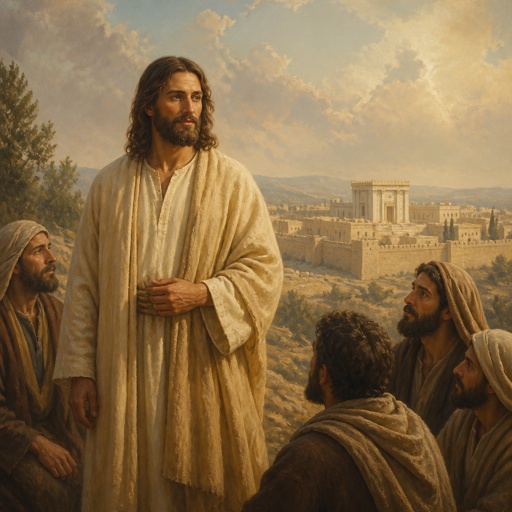
"But I say unto you, That in this place is one greater than the temple." - Matthew 12:6

Matthew 6:6

Matthew 3:11-12

Matthew 6:23

Matthew 3:11-12

Matthew 3:12

Matthew 3:12

Matthew 23:12

Matthew 7:12

Matthew 23:12

Matthew 7:12

Matthew 3:12

Matthew 18:6

Matthew 6:34

Matthew 18:6

Matthew 6:18

Matthew 6:14

Matthew 6:22

Matthew 6:24

Matthew 6:30

Matthew 6:22

Matthew 6:5

Matthew 6:34

Matthew 6:24

Matthew 6:2

Matthew 6:2

Matthew 6:34