Restoration Through Obedience: The Call to Honor the Sabbath
“And if the people of the land bring ware or any victuals on the sabbath day to sell, that we would not buy it of them on the sabbath, or on the holy day: and that we would leave the seventh year, and the exaction of every debt.” — Nehemiah 10:31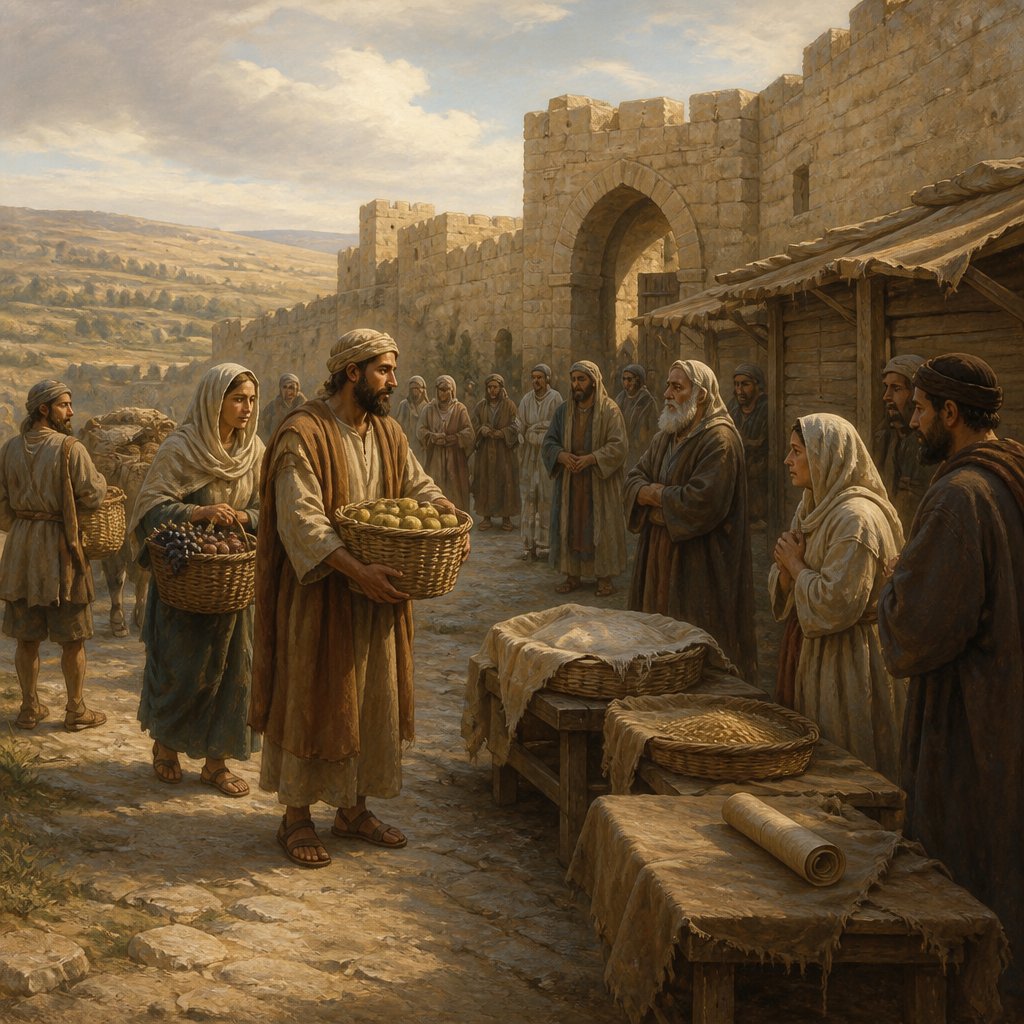
In the book of Nehemiah, we witness a remarkable transformation among the Jewish people returning to Jerusalem. After years of captivity, they had the burden of rebuilding not just the walls of their city but also their broken relationship with God. This context sets the stage for Nehemiah 10:31, wherein they take a solemn vow to honor the Sabbath and communal practices that would reflect their commitment to God. The verse states, "And if the people of the land bring ware or any victuals on the sabbath day to sell, that we would not buy it of them on the sabbath, or on the holy day: and that we would leave the seventh year, and the exaction of every debt."
This verse encapsulates a few critical themes: the sanctity of the Sabbath, the importance of communal obligation, and the overarching theme of rest. The Sabbath, which God instituted at creation, was designed for rest and worship. In doing so, God provided a rhythm of life that was both restorative and a reminder of His sovereignty. The people of Israel committed to not engaging in trade on this holy day, reflecting their desire to set themselves apart from the standards of the surrounding nations.
In our modern society, where consumerism and busyness dominate, the call to honor the Sabbath can often feel out of place. Yet, Nehemiah's insistence on this commitment reminds us that our well-being is grounded not in material pursuits but in the richness of our spiritual observance. Can we truly be holy, set apart for God's purposes, if we allow our values to be dictated by the culture around us?
When the Israelites pledged to abstain from buying on the Sabbath, they were making a powerful statement: They would not allow their needs or desires to overshadow their commitment to God. When we choose to prioritize our relationship with Him over worldly concerns, we find a deeper fulfillment. It is an act of faith, trusting that God will provide for us not only on the Sabbath but throughout our lives.
Furthermore, the mention of not exacting debts and allowing the land to rest during the seventh year opens up a broader conversation about justice and compassion in our community. The Israelites, having experienced oppression, were now called to reflect the character of God—who is merciful and just. By observing the Sabbath and the sabbatical year, they fulfill God's call to care for one another, ensuring that no one is left behind. This principle challenges us to consider our social responsibilities. How can we, too, bring justice to our communities? How can we ensure that our economic actions reflect God's decrees?
The act of resting on the Sabbath is not merely a day off; it is an act of worship, an opportunity to re-orient our lives towards God. It invites us to pause and reflect, to celebrate His creation, and to remember that we cannot outrun the rhythms of grace that God has established. There is power in faithfully keeping this command; it allows us to step away from our frantic pace and reconnect with what truly matters—our relationship with our Creator and with each other.
As we read Nehemiah 10:31, let us commit anew to honor the Sabbath in our lives. Let's make deliberate choices to abstain from everyday transactions that distract us from God’s presence and cultivate space for worship, reflection, and rest. This commitment is not merely about stopping activities; it’s about drawing near to the heart of God and embodying His values in our daily lives. Let’s encourage one another to embrace rhythms of rest that reflect our covenant with God, foster compassion in our communities, and ultimately lead to restoration both for ourselves and those around us.
Get our apps


Artwork for Nehemiah 10:31

Nehemiah 10:31 - "And if the people of the land bring ware or any victuals on the sabbath day to sell, that we would not buy it of them on the sabbath, or on the holy day: and that we would leave the seventh year, and the exaction of every debt."
"And if the people of the land bring ware or any victuals on the sabbath day to sell, that we would not buy it of them on the sabbath, or on the holy day: and that we would leave the seventh year, and the exaction of every debt." - Nehemiah 10:31

Nehemiah 7:31 - "The men of Michmas, an hundred and twenty and two."

Nehemiah 10:1 - "Now those that sealed were, Nehemiah, the Tirshatha, the son of Hachaliah, and Zidkijah,"

Nehemiah 10:10 - "And their brethren, Shebaniah, Hodijah, Kelita, Pelaiah, Hanan,"

Nehemiah 13:31 - "And for the wood offering, at times appointed, and for the firstfruits. Remember me, O my God, for good."
Nehemiah 11:31 - "The children also of Benjamin from Geba dwelt at Michmash, and Aija, and Beth-el, and in their villages,"

Nehemiah 8:10
"The men of Michmas, an hundred and twenty and two." - Nehemiah 7:31

Nehemiah 8:10

Nehemiah 8:10

Nehemiah 10:24 - "Hallohesh, Pileha, Shobek,"

Nehemiah 10:22 - "Pelatiah, Hanan, Anaiah,"

Nehemiah 10:5 - "Harim, Meremoth, Obadiah,"

Nehemiah 10:23 - "Hoshea, Hananiah, Hashub,"

Nehemiah 10:21 - "Meshezabeel, Zadok, Jaddua,"

Nehemiah 10:7 - "Meshullam, Abijah, Mijamin,"

Nehemiah 10:11 - "Micha, Rehob, Hashabiah,"

Nehemiah 10:27 - "Malluch, Harim, Baanah."

Nehemiah 10:25 - "Rehum, Hashabnah, Maaseiah,"

Nehemiah 10:19 - "Hariph, Anathoth, Nebai,"

Nehemiah 10:6 - "Daniel, Ginnethon, Baruch,"

Nehemiah 10:26 - "And Ahijah, Hanan, Anan,"

Nehemiah 10:16 - "Adonijah, Bigvai, Adin,"

Nehemiah 10:18 - "Hodijah, Hashum, Bezai,"

Nehemiah 10:20 - "Magpiash, Meshullam, Hezir,"

Nehemiah 10:3 - "Pashur, Amariah, Malchijah,"

Nehemiah 10:17 - "Ater, Hizkijah, Azzur,"

Nehemiah 10:4 - "Hattush, Shebaniah, Malluch,"

Nehemiah 10:2 - "Seraiah, Azariah, Jeremiah,"