What does Nehemiah 10:31 mean?
“And if the people of the land bring ware or any victuals on the sabbath day to sell, that we would not buy it of them on the sabbath, or on the holy day: and that we would leave the seventh year, and the exaction of every debt.” — Nehemiah 10:31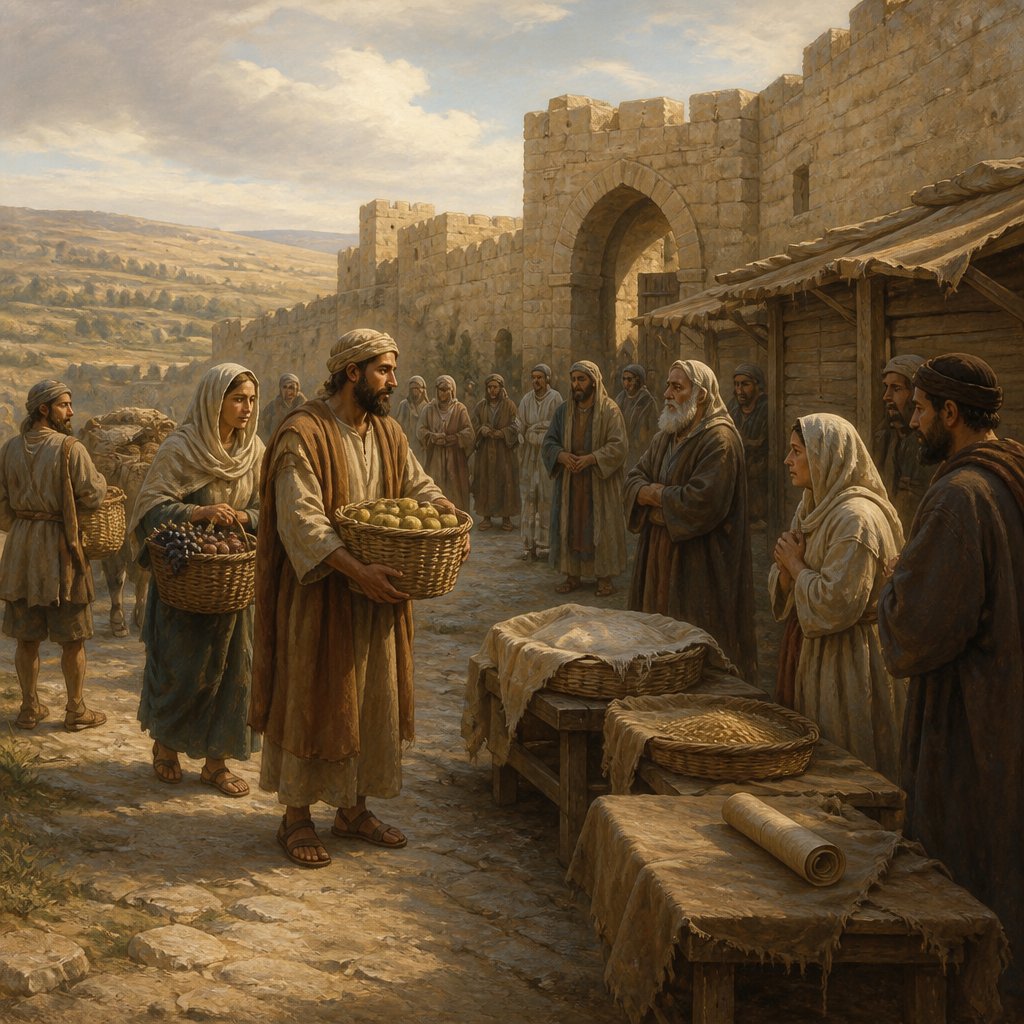
Nehemiah 10:31 (KJV) says, "And if the people of the land bring ware or any victuals on the sabbath day to sell, that we would not buy it of them on the sabbath, or on the holy day: and that we would leave the seventh year, and the exaction of every debt."
In order to understand the full context and meaning of this verse, it is important to understand the historical and cultural background of the book of Nehemiah. Nehemiah was a Jewish leader who played a crucial role in the rebuilding of Jerusalem's walls and the spiritual revival of the people of Israel after their return from exile in Babylon. In this particular verse, the people of Israel are making a covenant with God to obey His laws and commandments, as well as to follow specific regulations regarding the observance of the Sabbath and the cancellation of debts every seventh year.
The observance of the Sabbath was a key component of the Mosaic Law, and it was a day set aside for rest and worship. The Israelites were commanded to refrain from work and commercial activities on the Sabbath day, in order to honor and remember God's rest after the six days of creation (Exodus 20:8-11). By abstaining from buying and selling on the Sabbath, the Israelites were showing their obedience to God's commandments and acknowledging His sovereignty over their lives. This verse reinforces the importance of honoring the Sabbath and maintaining the sanctity of the holy day.
Additionally, the cancellation of debts every seventh year was another important aspect of the Mosaic Law, known as the Year of Jubilee. According to Leviticus 25, every seventh year was designated as a Sabbath year, during which the Israelites were instructed to let the land lie fallow and release any fellow Israelites who had become slaves due to debt. This practice was intended to promote economic equality and social justice, as well as to remind the people of Israel that everything ultimately belonged to God. By committing to leave the seventh year and canceling the debts, the people of Israel were demonstrating their trust in God's provision and their willingness to care for one another in accordance with His laws.
Symbolically, this verse reflects the broader theme of obedience and faithfulness to God's commands. The people of Israel were making a solemn pledge to adhere to the laws of God and to honor His authority in every aspect of their lives. This covenant was a demonstration of their repentance and commitment to living in accordance with God's will, following the period of spiritual renewal and revival led by Nehemiah.
In contemporary application, Nehemiah 10:31 serves as a reminder of the importance of honoring God's commandments and seeking to live in obedience to His will. It challenges us to prioritize our spiritual lives over material gain and to trust in God's provision rather than relying solely on our own efforts. Furthermore, it calls us to promote justice and compassion in our dealings with others, recognizing that all we have ultimately belongs to God and should be used for His glory.
Overall, Nehemiah 10:31 encapsulates the themes of obedience, trust, and social justice within the context of the Israelites' covenant with God. It serves as a timeless reminder of the importance of honoring God's laws and promoting His kingdom values in our lives.
Get our apps


Artwork for Nehemiah 10:31

Nehemiah 10:31 - "And if the people of the land bring ware or any victuals on the sabbath day to sell, that we would not buy it of them on the sabbath, or on the holy day: and that we would leave the seventh year, and the exaction of every debt."
"And if the people of the land bring ware or any victuals on the sabbath day to sell, that we would not buy it of them on the sabbath, or on the holy day: and that we would leave the seventh year, and the exaction of every debt." - Nehemiah 10:31

Nehemiah 7:31 - "The men of Michmas, an hundred and twenty and two."

Nehemiah 10:1 - "Now those that sealed were, Nehemiah, the Tirshatha, the son of Hachaliah, and Zidkijah,"

Nehemiah 10:10 - "And their brethren, Shebaniah, Hodijah, Kelita, Pelaiah, Hanan,"

Nehemiah 13:31 - "And for the wood offering, at times appointed, and for the firstfruits. Remember me, O my God, for good."
Nehemiah 11:31 - "The children also of Benjamin from Geba dwelt at Michmash, and Aija, and Beth-el, and in their villages,"

Nehemiah 8:10
"The men of Michmas, an hundred and twenty and two." - Nehemiah 7:31

Nehemiah 8:10

Nehemiah 8:10

Nehemiah 10:24 - "Hallohesh, Pileha, Shobek,"

Nehemiah 10:22 - "Pelatiah, Hanan, Anaiah,"

Nehemiah 10:5 - "Harim, Meremoth, Obadiah,"

Nehemiah 10:23 - "Hoshea, Hananiah, Hashub,"

Nehemiah 10:21 - "Meshezabeel, Zadok, Jaddua,"

Nehemiah 10:7 - "Meshullam, Abijah, Mijamin,"

Nehemiah 10:11 - "Micha, Rehob, Hashabiah,"

Nehemiah 10:27 - "Malluch, Harim, Baanah."

Nehemiah 10:25 - "Rehum, Hashabnah, Maaseiah,"

Nehemiah 10:19 - "Hariph, Anathoth, Nebai,"

Nehemiah 10:6 - "Daniel, Ginnethon, Baruch,"

Nehemiah 10:26 - "And Ahijah, Hanan, Anan,"

Nehemiah 10:16 - "Adonijah, Bigvai, Adin,"

Nehemiah 10:18 - "Hodijah, Hashum, Bezai,"

Nehemiah 10:20 - "Magpiash, Meshullam, Hezir,"

Nehemiah 10:3 - "Pashur, Amariah, Malchijah,"

Nehemiah 10:17 - "Ater, Hizkijah, Azzur,"

Nehemiah 10:4 - "Hattush, Shebaniah, Malluch,"

Nehemiah 10:2 - "Seraiah, Azariah, Jeremiah,"