From Beer-sheba to the Valley of Hinnom: The Journey of Faith and Community
“Zanoah, Adullam, and in their villages, at Lachish, and the fields thereof, at Azekah, and in the villages thereof. And they dwelt from Beer-sheba unto the valley of Hinnom.” — Nehemiah 11:30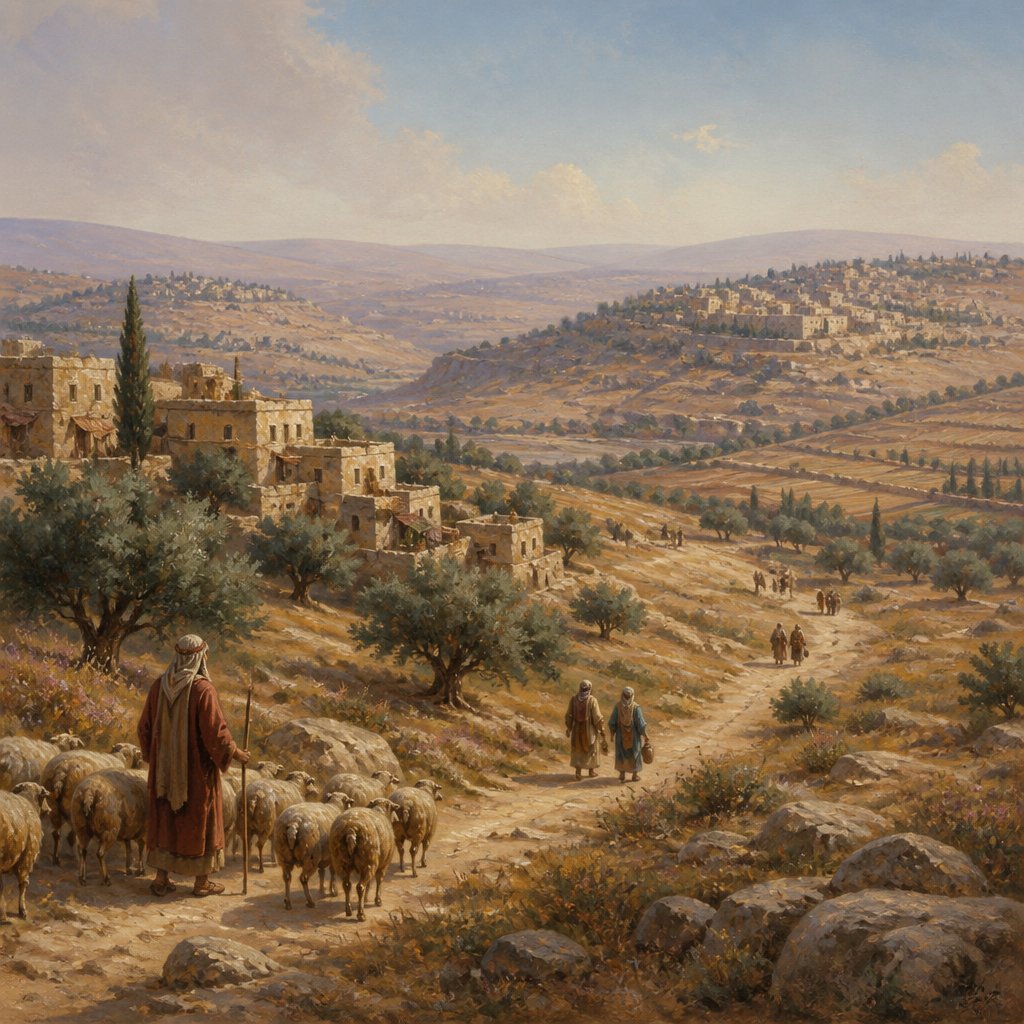
The passage from Nehemiah 11:30 (KJV), which states: "Zanoah, Adullam, and in their villages, at Lachish, and the fields thereof, at Azekah, and in the villages thereof. And they dwelt from Beer-sheba unto the valley of Hinnom," serves as a reminder of the importance of both place and community in the formation of a faithful life. It provides a vivid picture of the landscape, both physically and spiritually, that shaped the lives of those early Israelites post-exile.
In the context of Nehemiah and the rebuilding of Jerusalem, this verse is part of a detailed record of those who returned from Babylonian exile to repopulate the city and its surrounding areas. Each location mentioned—Zanoah, Adullam, Lachish, and Azekah—carries with it a historical and theological significance that speaks to the heart of our faith journey today.
**Understanding the Terrain**
Sprinkled throughout our lives, we encounter various geographical and spiritual stations, represented here by the villages and fields of the Israelites. Each name symbolizes a part of their heritage and identity. For instance, Adullam evokes the story of David's mighty men who gathered there in a time of need (2 Samuel 23:13-17). It represents a place of refuge, a place where strength was found in community amid adversity.
Similarly, the mention of Beer-sheba, a place often associated with the patriarchs Abraham and Isaac, signifies a deep belonging and covenantal promise. It reminds us that our roots matter—our spiritual ancestry defines us, offering a canvas upon which God paints His narrative in our lives.
Lachish and Azekah are also critical, as they denote strongholds in the face of opposition, deadlines that were faced during the conquest of Canaan. They remind us of the struggles that lead to faith; of how sometimes, we must dwell in challenging places to truly grow and understand God’s purposes. Together, these places illustrate how God uses various landscapes and community structures within them to enhance our faith and witness.
**The Journey of Belonging**
As we contemplate the phrase "from Beer-sheba unto the valley of Hinnom," we are beckoned to remember that God calls us into a journey. This journey isn't just about physical destinations; it speaks to the emotional and spiritual landscapes we traverse. The valley of Hinnom, known in biblical times as a place associated with judgment and despair, symbolizes the depths of human experience—the struggles, the hardships, and the trials we often face.
In our modern world, we may not dwell in literal valleys, but we understand the ethos of what it means to encounter spiritual valleys. Times when faith feels shallow, moments of doubt loom large, or trials feel they overshadow the light of hope. Yet, within this journey, we see a call to community as illustrated in Nehemiah's account of those who repopulated the land together, supporting one another, worshiping together, and holding onto mutual goals for restoration.
**Building Together**
We must emphasize that Nehemiah's narrative is a story of rebuilding—a reconvening of a people to do a shared work for the glory of God. When we link arms as community, when churches unite, and when we commit ourselves to God’s call, we can erect bridges to those considered as outsiders. We gather and dwell in God’s promise, just as those early Israelites took up residence across diverse landscapes and climates.
As we reflect on this passage, let us be reminded of the unique places God has brought us to. Let us honor the locations of our encounters with Him, the beautiful scars of our community’s story, and the larger narrative of restoration He is writing with our lives.
**Call to Action**
In our own lives, may we embrace our respective villages, fields, and valleys as both sanctuaries and places of mission. Let us dwell and share testimonies of God's faithfulness, from the highs of Beer-sheba to the depths of the valley of Hinnom, proclaiming that wherever we are, God's presence is with us, guiding our journey through faith and community towards His ultimate purpose.
Get our apps


Artwork for Nehemiah 11:30
Nehemiah 11:30 - "Zanoah, Adullam, and in their villages, at Lachish, and the fields thereof, at Azekah, and in the villages thereof. And they dwelt from Beer-sheba unto the valley of Hinnom."
"Zanoah, Adullam, and in their villages, at Lachish, and the fields thereof, at Azekah, and in the villages thereof. And they dwelt from Beer-sheba unto the valley of Hinnom." - Nehemiah 11:30

Nehemiah 7:30 - "The men of Ramah and Geba, six hundred twenty and one."

Nehemiah 11:11-14

Nehemiah 11:13

Nehemiah 12:30 - "And the priests and the Levites purified themselves, and purified the people, and the gates, and the wall."

Nehemiah 11:1-19

Nehemiah 11:34 - "Hadid, Zeboim, Neballat,"

Nehemiah 10:11 - "Micha, Rehob, Hashabiah,"

Nehemiah 11:33 - "Hazor, Ramah, Gittaim,"

Nehemiah 11:32 - "And at Anathoth, Nob, Ananiah,"
Nehemiah 10:30 - "And that we would not give our daughters unto the people of the land, nor take their daughters for our sons:"

Nehemiah 11:26 - "And at Jeshua, and at Moladah, and at Beth-phelet,"

Nehemiah 11:29 - "And at En-rimmon, and at Zareah, and at Jarmuth,"

Nehemiah 11:35 - "Lod, and Ono, the valley of craftsmen."

Nehemiah 11:28 - "And at Ziklag, and at Mekonah, and in the villages thereof,"

Nehemiah 11:36 - "And of the Levites were divisions in Judah, and in Benjamin."

Nehemiah 11:10 - "Of the priests: Jedaiah the son of Joiarib, Jachin."

Nehemiah 13:30 - "Thus cleansed I them from all strangers, and appointed the wards of the priests and the Levites, every one in his business;"

Nehemiah 12:11 - "And Joiada begat Jonathan, and Jonathan begat Jaddua."

Nehemiah 11:27 - "And at Hazar-shual, and at Beer-sheba, and in the villages thereof,"

Nehemiah 2:11 - "So I came to Jerusalem, and was there three days."
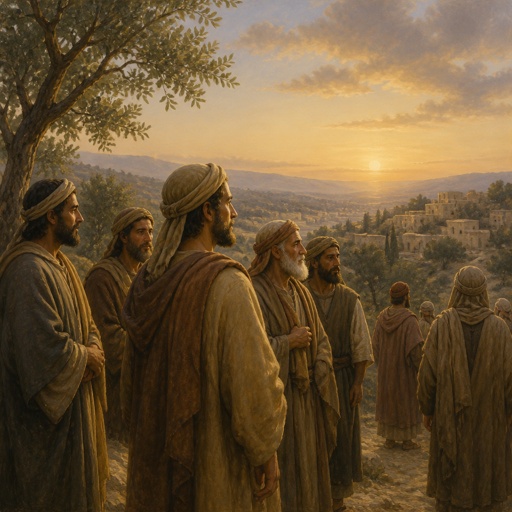
"The men of Ramah and Geba, six hundred twenty and one." - Nehemiah 7:30

Nehemiah 11:11 - "Seraiah the son of Hilkiah, the son of Meshullam, the son of Zadok, the son of Meraioth, the son of Ahitub, was the ruler of the house of God."

"And at Anathoth, Nob, Ananiah," - Nehemiah 11:32

"Hadid, Zeboim, Neballat," - Nehemiah 11:34

"Hazor, Ramah, Gittaim," - Nehemiah 11:33

"Micha, Rehob, Hashabiah," - Nehemiah 10:11

Nehemiah 11:21 - "But the Nethinims dwelt in Ophel: and Ziha and Gispa were over the Nethinims."
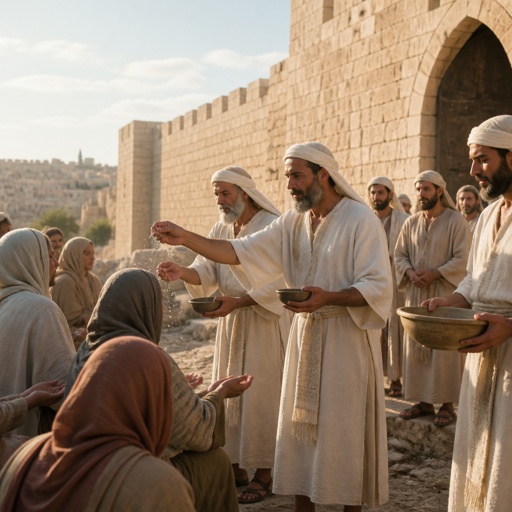
"And the priests and the Levites purified themselves, and purified the people, and the gates, and the wall." - Nehemiah 12:30