What does Nehemiah 11:30 mean?
“Zanoah, Adullam, and in their villages, at Lachish, and the fields thereof, at Azekah, and in the villages thereof. And they dwelt from Beer-sheba unto the valley of Hinnom.” — Nehemiah 11:30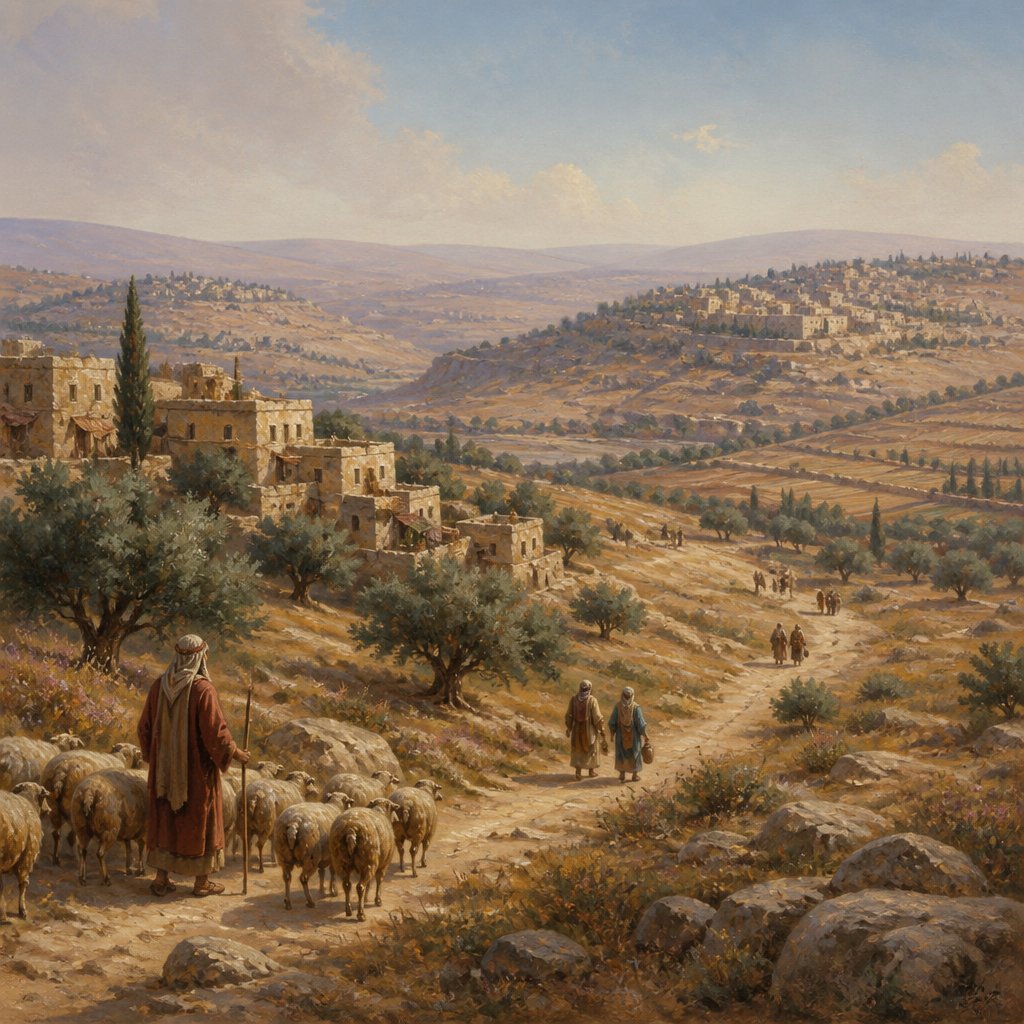
Nehemiah 11:30 (KJV): Zanoah, Adullam, and in their villages, at Lachish, and the fields thereof, at Azekah, and in the villages thereof. And they dwelt from Beersheba unto the valley of Hinnom.
The book of Nehemiah is set in the period of the Israelites' return from exile in Babylon, during which they worked to rebuild their city and their relationship with God. This particular verse is part of a list of towns and villages whose inhabitants agreed to move back to Jerusalem in order to repopulate the city. The verse specifically mentions Zanoah, Adullam, Lachish, and Azekah, as well as the area from Beersheba to the valley of Hinnom.
In the context of the book of Nehemiah, these towns and villages were vital to the repopulation efforts of Jerusalem. As the Israelites returned to their homeland, it was essential to establish a strong presence in these regions in order to reclaim and rebuild the land that had been neglected during their exile. By doing so, the Israelites were not only physically reclaiming their homeland but also spiritually and symbolically reclaiming their identity as God's chosen people.
One of the key themes in this verse is the restoration of the Promised Land. Throughout the Old Testament, God promised the Israelites a land flowing with milk and honey, and their return from exile was a fulfillment of that promise. Each town and village mentioned in the verse represents a piece of the land that was being reoccupied and cultivated. This act of repopulating and reclaiming the land symbolized a renewal of God's covenant with His people and a restoration of their relationship with Him.
Another important theme is unity and cooperation. The fact that the inhabitants of these towns and villages agreed to move to Jerusalem indicates a communal effort to rebuild and revitalize the city. Their willingness to leave their homes and travel to a new place symbolizes a collective commitment to the well-being of the entire community. This unity and cooperation were crucial for the success of the repopulation efforts and reflected the Israelites' understanding of their shared destiny as a people.
The geographical locations mentioned in the verse also hold symbolic significance. Beersheba, for example, was a well-known city in the southern part of Israel, often associated with testing and perseverance. The mention of Beersheba in this verse can be interpreted as a reminder that the Israelites had endured much hardship and testing during their exile, but they were now entering a new season of restoration and blessing.
The valley of Hinnom, on the other hand, was historically associated with idolatrous practices and was considered a place of judgment. By including this location in the verse, the author may be emphasizing the contrast between the Israelites' past disobedience and their current commitment to living in accordance with God's will.
Overall, Nehemiah 11:30 serves as a reminder of the Israelites' determination to rebuild their city and their lives after a period of exile. It highlights their unwavering faith in God's promises and their willingness to work together for the greater good. The verse also conveys the spiritual significance of the land and the importance of reclaiming it as a symbol of God's faithfulness and provision.
Get our apps


Artwork for Nehemiah 11:30
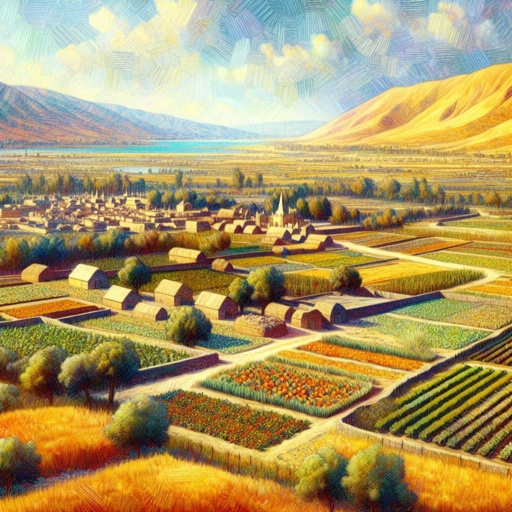
Nehemiah 11:30 - "Zanoah, Adullam, and in their villages, at Lachish, and the fields thereof, at Azekah, and in the villages thereof. And they dwelt from Beer-sheba unto the valley of Hinnom."
"Zanoah, Adullam, and in their villages, at Lachish, and the fields thereof, at Azekah, and in the villages thereof. And they dwelt from Beer-sheba unto the valley of Hinnom." - Nehemiah 11:30

Nehemiah 7:30 - "The men of Ramah and Geba, six hundred twenty and one."

Nehemiah 11:11-14

Nehemiah 11:13

Nehemiah 12:30 - "And the priests and the Levites purified themselves, and purified the people, and the gates, and the wall."

Nehemiah 11:1-19

Nehemiah 11:34 - "Hadid, Zeboim, Neballat,"

Nehemiah 10:11 - "Micha, Rehob, Hashabiah,"

Nehemiah 11:33 - "Hazor, Ramah, Gittaim,"

Nehemiah 11:32 - "And at Anathoth, Nob, Ananiah,"
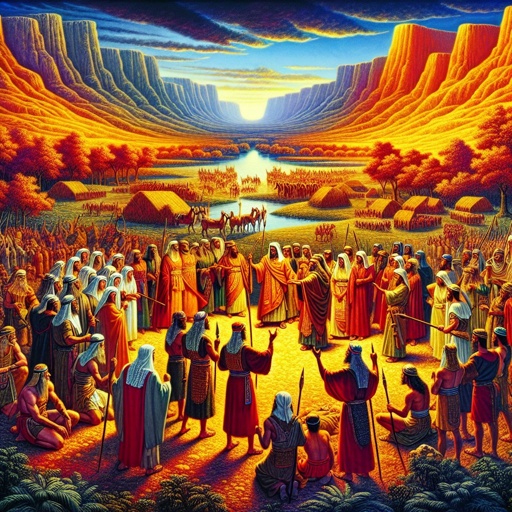
Nehemiah 10:30 - "And that we would not give our daughters unto the people of the land, nor take their daughters for our sons:"

Nehemiah 11:26 - "And at Jeshua, and at Moladah, and at Beth-phelet,"

Nehemiah 11:29 - "And at En-rimmon, and at Zareah, and at Jarmuth,"

Nehemiah 11:35 - "Lod, and Ono, the valley of craftsmen."

Nehemiah 11:28 - "And at Ziklag, and at Mekonah, and in the villages thereof,"

Nehemiah 11:36 - "And of the Levites were divisions in Judah, and in Benjamin."

Nehemiah 11:10 - "Of the priests: Jedaiah the son of Joiarib, Jachin."

Nehemiah 13:30 - "Thus cleansed I them from all strangers, and appointed the wards of the priests and the Levites, every one in his business;"

Nehemiah 12:11 - "And Joiada begat Jonathan, and Jonathan begat Jaddua."

Nehemiah 11:27 - "And at Hazar-shual, and at Beer-sheba, and in the villages thereof,"

Nehemiah 2:11 - "So I came to Jerusalem, and was there three days."
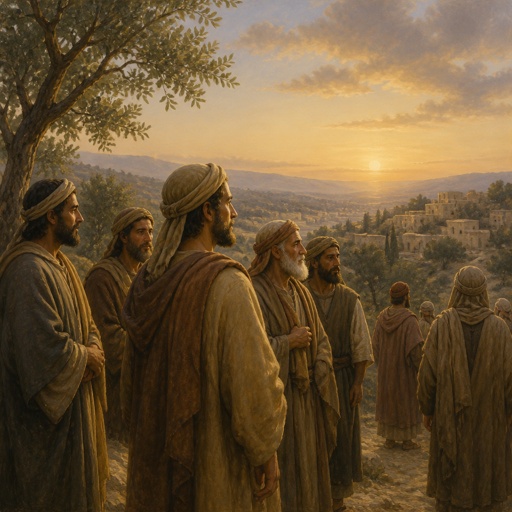
"The men of Ramah and Geba, six hundred twenty and one." - Nehemiah 7:30

Nehemiah 11:11 - "Seraiah the son of Hilkiah, the son of Meshullam, the son of Zadok, the son of Meraioth, the son of Ahitub, was the ruler of the house of God."

"And at Anathoth, Nob, Ananiah," - Nehemiah 11:32

"Hadid, Zeboim, Neballat," - Nehemiah 11:34

"Hazor, Ramah, Gittaim," - Nehemiah 11:33

"Micha, Rehob, Hashabiah," - Nehemiah 10:11

Nehemiah 11:21 - "But the Nethinims dwelt in Ophel: and Ziha and Gispa were over the Nethinims."
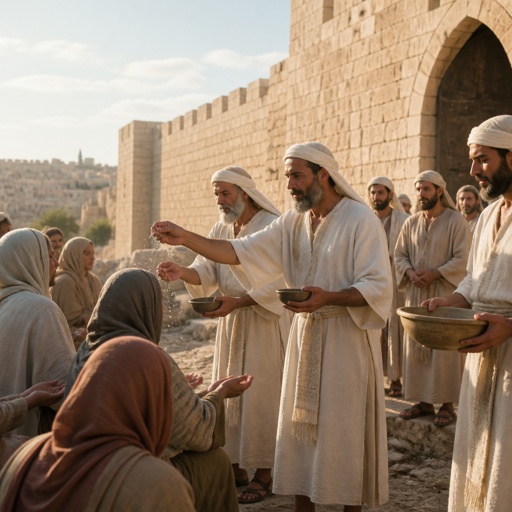
"And the priests and the Levites purified themselves, and purified the people, and the gates, and the wall." - Nehemiah 12:30