The Call to Holiness: A Devotional Reflection on Nehemiah 13:25
“And I contended with them, and cursed them, and smote certain of them, and plucked off their hair, and made them swear by God, saying, Ye shall not give your daughters unto their sons, nor take their daughters unto your sons, or for yourselves.” — Nehemiah 13:25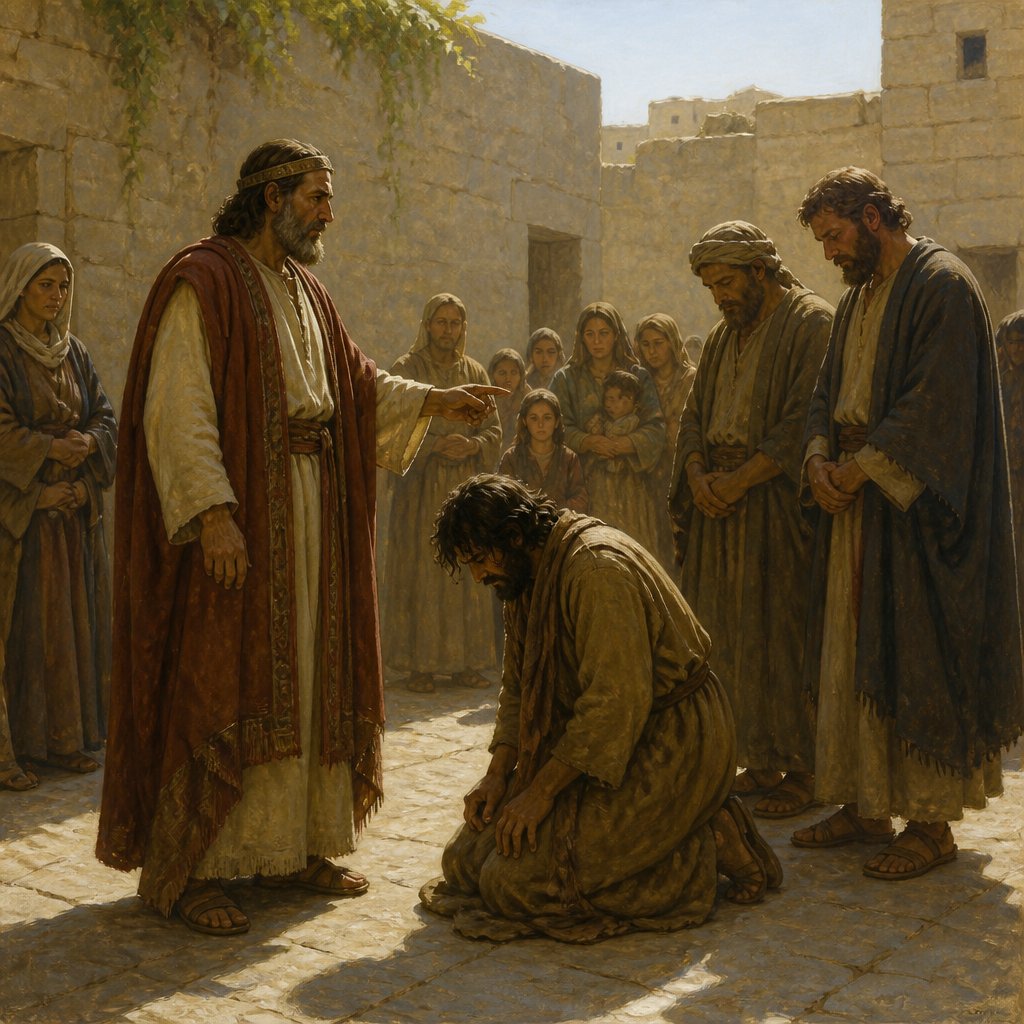
The book of Nehemiah tells the compelling story of reconstruction and spiritual revival among the people of Israel. Nehemiah, a leader of unparalleled devotion, returns to Jerusalem to restore not just the walls but the faith of his people. However, by Chapter 13, we see a lamentable but inevitable decline back into old habits. The verse in focus, Nehemiah 13:25, reveals a passionate resolve amidst a backdrop of spiritual warfare: "And I contended with them, and cursed them, and smote certain of them, and plucked off their hair, and made them swear by God, saying, Ye shall not give your daughters unto their sons, nor take their daughters unto your sons, or for yourselves."
This vivid portrayal of Nehemiah’s fervor can be shocking to modern sensibilities. The language of cursing, physical confrontation, and even plucking hair from heads indicates not only a strong reaction but also the severity of the situation. Nehemiah's actions may seem extreme, but they evoke a powerful spiritual truth: the desperation for holiness among God’s people. At the heart of Nehemiah's anger was a grave concern for the purity of the Israelite lineage and their covenant relationship with God—which was under threat by intermarriage with surrounding nations that worshipped other gods.
In a time where the pressures of assimilation and cultural compromise were rampant, Nehemiah understood that such alliances could lead to the spiritual downfall of his people. The covenant between God and Israel demanded exclusivity, not in a spirit of isolationism, but in recognition of God's holiness and sovereign authority. The Israelites were called to be a ‘peculiar people,’ set apart from others. Nehemiah contended for that identity with every fiber of his being.
When examining Nehemiah's actions, it’s crucial to recognize our modern context. Fortunately, we no longer engage in physical confrontations to uphold spiritual standards. Yet, the underlying principle of contending for God’s truth remains critical. Are we proactively guarding our hearts and our communities against influences that threaten our identity as followers of Christ? Are we daring to take a stand for holiness, even if it looks unorthodox or draws criticism from our contemporaries?
Nehemiah’s determination should reveal to us the depth of commitment necessary to preserve our spiritual integrity. It’s not sufficient to sit passively by in a world that is increasingly challenging our beliefs. We are called to act, to engage, and to defend the truth we profess. This could look like setting boundaries in relationships, fostering a community where God’s values reign, and speaking out when we see others walking towards compromise. Discipleship often requires tough conversations and unyielding stances for the sake of the Gospel.
Moreover, Nehemiah's actions remind us of the urgency of prayer and accountability. He didn’t simply rely on his own strength; he called upon God to bear witness to the solemn oaths made by the people. In a similar vein, we should immerse our lives in prayer, seeking God’s guidance and strength in our endeavors to live out our faith resolutely. Community accountability is essential—finding fellow believers who share a commitment to holiness fosters mutual support and encouragement as we strive for God’s purposes.
Finally, Nehemiah's story concludes with a glance toward the coming promise of restoration and fulfillment. Just as he contended for that immediate holiness among his people, we too can trust in the promise that God is working all things together for our good and His glory. Our fight against sin, compromise, and cultural pressures is not in vain but part of a greater narrative where God’s people rise to reflect His character.
As we meditate on Nehemiah 13:25, let us consider our personal commitment to guarding our hearts and our community. In a world that seeks to dilute our identity in Christ, let us contend for that which reflects His glory. May we be fueled by the same urgency, clinging steadfastly to our covenant with God and fulfilling our call to holiness.
Get our apps


Artwork for Nehemiah 13:25

Nehemiah 13:25 - "And I contended with them, and cursed them, and smote certain of them, and plucked off their hair, and made them swear by God, saying, Ye shall not give your daughters unto their sons, nor take their daughters unto your sons, or for yourselves."
"And I contended with them, and cursed them, and smote certain of them, and plucked off their hair, and made them swear by God, saying, Ye shall not give your daughters unto their sons, nor take their daughters unto your sons, or for yourselves." - Nehemiah 13:25

Nehemiah 10:25 - "Rehum, Hashabnah, Maaseiah,"

Nehemiah 7:25 - "The children of Gibeon, ninety and five."

Nehemiah 11:13
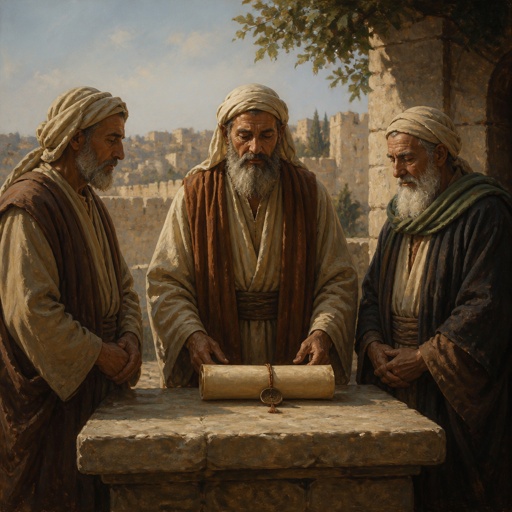
"Rehum, Hashabnah, Maaseiah," - Nehemiah 10:25

Nehemiah 10:13 - "Hodijah, Bani, Beninu."
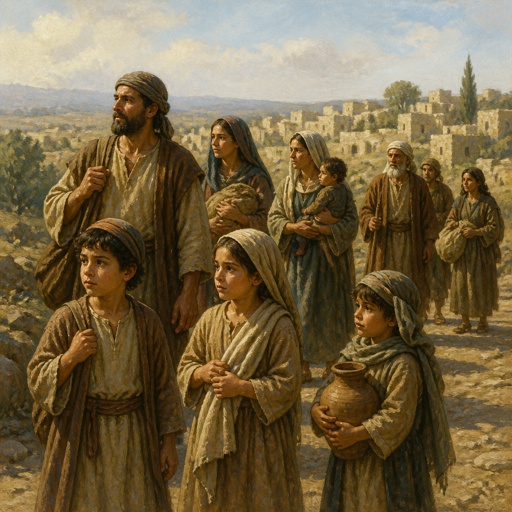
"The children of Gibeon, ninety and five." - Nehemiah 7:25

Nehemiah 12:13 - "Of Ezra, Meshullam; of Amariah, Jehohanan;"

Nehemiah 7:13 - "The children of Zattu, eight hundred forty and five."

Nehemiah 12:25 - "Mattaniah, and Bakbukiah, Obadiah, Meshullam, Talmon, Akkub, were porters keeping the ward at the thresholds of the gates."

"Hodijah, Bani, Beninu." - Nehemiah 10:13

"Of Ezra, Meshullam; of Amariah, Jehohanan;" - Nehemiah 12:13
Nehemiah 11:25 - "And for the villages, with their fields, some of the children of Judah dwelt at Kirjath-arba, and in the villages thereof, and at Dibon, and in the villages thereof, and at Jekabzeel, and in the villages thereof,"

Nehemiah 13:12 - "Then brought all Judah the tithe of the corn and the new wine and the oil unto the treasuries."

Nehemiah 13:31 - "And for the wood offering, at times appointed, and for the firstfruits. Remember me, O my God, for good."

Nehemiah 13:20 - "So the merchants and sellers of all kind of ware lodged without Jerusalem once or twice."

Nehemiah 13:4 - "¶ And before this, Eliashib the priest, having the oversight of the chamber of the house of our God, was allied unto Tobiah:"

Nehemiah 13:23 - "¶ In those days also saw I Jews that had married wives of Ashdod, of Ammon, and of Moab:"

Nehemiah 13:29 - "Remember them, O my God, because they have defiled the priesthood, and the covenant of the priesthood, and of the Levites."

Nehemiah 13:24 - "And their children spake half in the speech of Ashdod, and could not speak in the Jews' language, but according to the language of each people."

Nehemiah 13:8 - "And it grieved me sore: therefore I cast forth all the household stuff of Tobiah out of the chamber."

Genesis 25-13

Nehemiah 13:3 - "Now it came to pass, when they had heard the law, that they separated from Israel all the mixed multitude."

"The children of Zattu, eight hundred forty and five." - Nehemiah 7:13

Nehemiah 13:9 - "Then I commanded, and they cleansed the chambers: and thither brought I again the vessels of the house of God, with the meat offering and the frankincense."

Nehemiah 13:7 - "And I came to Jerusalem, and understood of the evil that Eliashib did for Tobiah, in preparing him a chamber in the courts of the house of God."

Nehemiah 13:13 - "And I made treasurers over the treasuries, Shelemiah the priest, and Zadok the scribe, and of the Levites, Pedaiah: and next to them was Hanan the son of Zaccur, the son of Mattaniah: for they were counted faithful, and their office was to distribute unto their brethren."

Nehemiah 13:30 - "Thus cleansed I them from all strangers, and appointed the wards of the priests and the Levites, every one in his business;"

Nehemiah 13:17 - "Then I contended with the nobles of Judah, and said unto them, What evil thing is this that ye do, and profane the sabbath day?"