What does Nehemiah 13:25 mean?
“And I contended with them, and cursed them, and smote certain of them, and plucked off their hair, and made them swear by God, saying, Ye shall not give your daughters unto their sons, nor take their daughters unto your sons, or for yourselves.” — Nehemiah 13:25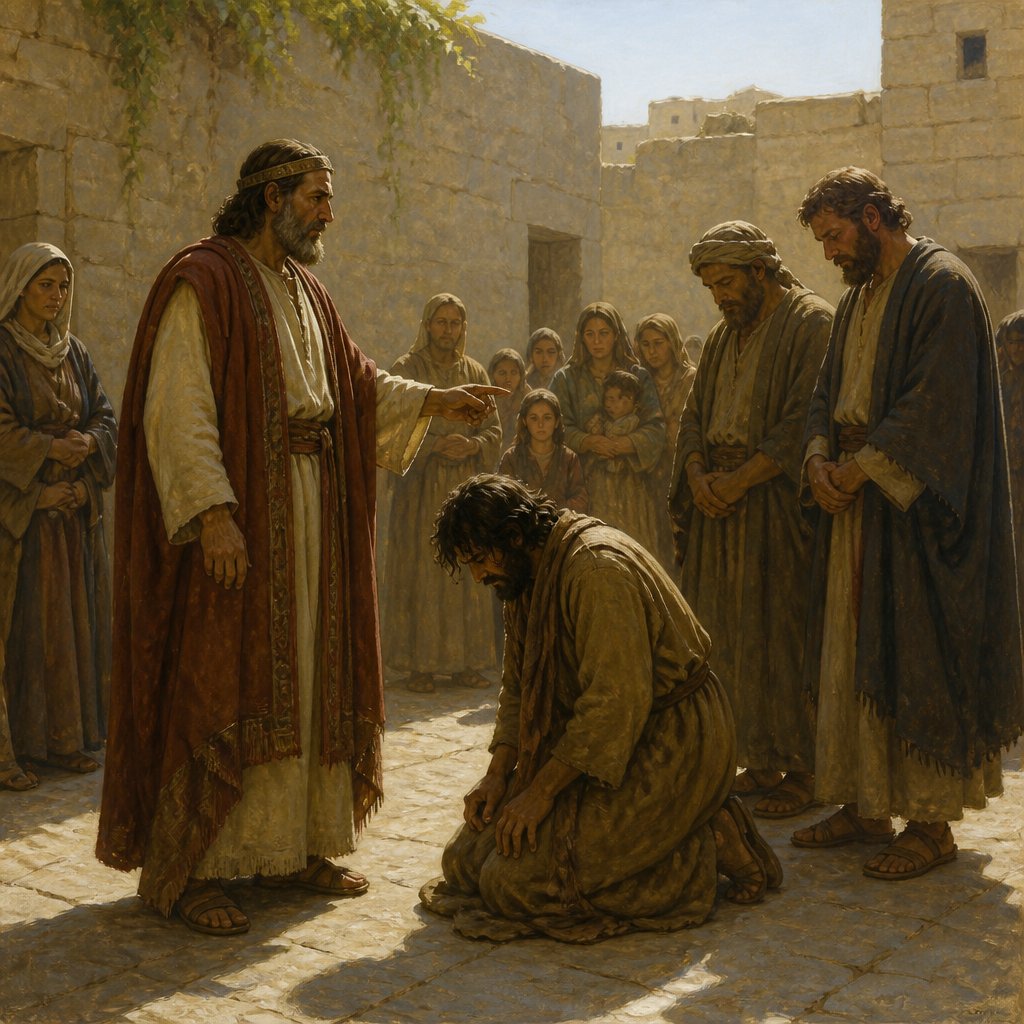
Nehemiah 13:25 (KJV) states: "And I contended with them, and cursed them, and smote certain of them, and plucked off their hair, and made them swear by God, saying, Ye shall not give your daughters unto their sons, nor take their daughters unto your sons, or for yourselves."
This verse is found in the book of Nehemiah, which is a historical account of the Israelites returning from exile in Babylon and rebuilding the city of Jerusalem. Nehemiah was a leader who played a crucial role in this process, and his efforts were centered on restoring the people's faith in God and rebuilding their community on a foundation of righteousness and obedience to God's laws.
In this verse, Nehemiah is addressing a specific issue that arose during the time of the exiles' return to Jerusalem. The people had begun to intermarry with the surrounding nations, which was strictly forbidden by the Mosaic law. This practice was not only a violation of God's commands but also a potential threat to the Israelites' spiritual identity and commitment to God.
Nehemiah's reaction to this situation is drastic and reflects his deep concern for the spiritual well-being of his people. He "contended with them" – he argued and disputed with those who were disregarding God's laws. This shows his strong determination to uphold the righteousness and holiness of the community, even if it meant confronting and rebuking those who were in the wrong.
Furthermore, Nehemiah "cursed them" and "smote certain of them," reflecting his deep emotion and intensity in dealing with this serious transgression. The act of cursing and smiting suggests the severity of the offense and the urgency with which Nehemiah sought to address it. By taking such decisive action, he aimed to instill a deep sense of repentance and correction among the people.
In addition, the act of "plucking off their hair" was a form of public humiliation and a sign of punishment and shame. This action was likely carried out to publicly demonstrate the seriousness of the offense and to deter others from following the same path.
Nehemiah then made the people "swear by God" not to continue in their sinful practices of intermarriage with the surrounding nations. By invoking the name of God in this oath, Nehemiah emphasized the gravity of the situation and the need for the people to recognize and commit to upholding God's laws.
The underlying theme of this verse revolves around the importance of fidelity to God's commands and the maintenance of the community's spiritual purity. Nehemiah's actions highlight the need for strong leadership and decisive measures to confront and address sin within the community. His actions also emphasize the significance of upholding the sanctity of marriage and the preservation of the Israelites' distinctiveness as a chosen people of God.
Furthermore, the context of this verse within the larger narrative of the book of Nehemiah underscores the broader themes of repentance, restoration, and renewal. Nehemiah's efforts to rebuild the walls of Jerusalem and restore the people's devotion to God were all part of a larger mission to bring the community back to a place of spiritual wholeness and righteousness.
In terms of symbolism, Nehemiah's actions can be interpreted as a reflection of God's uncompromising stance on holiness and obedience. The severe measures he took to address the issue of intermarriage convey God's intolerance for sin and His desire for His people to remain faithful and obedient to His commands.
In conclusion, Nehemiah 13:25 from the King James Version of the Bible portrays Nehemiah’s firm and resolute stand against the sin of intermarriage, emphasizing the importance of upholding God’s laws and preserving the community's spiritual integrity. His actions speak to the broader themes of repentance, restoration, and the pursuit of righteousness, all of which are central to the overarching message of the book of Nehemiah.
Get our apps


Artwork for Nehemiah 13:25
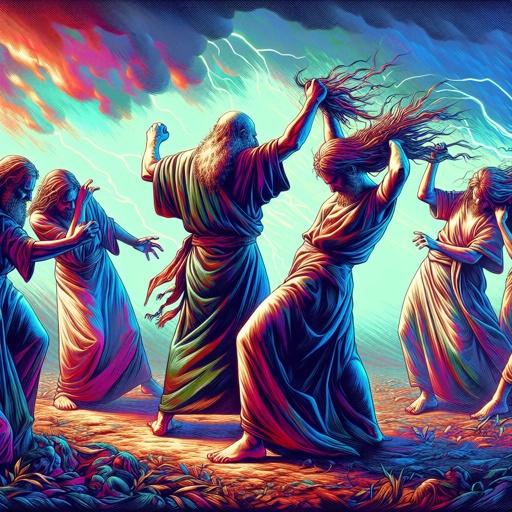
Nehemiah 13:25 - "And I contended with them, and cursed them, and smote certain of them, and plucked off their hair, and made them swear by God, saying, Ye shall not give your daughters unto their sons, nor take their daughters unto your sons, or for yourselves."
"And I contended with them, and cursed them, and smote certain of them, and plucked off their hair, and made them swear by God, saying, Ye shall not give your daughters unto their sons, nor take their daughters unto your sons, or for yourselves." - Nehemiah 13:25

Nehemiah 10:25 - "Rehum, Hashabnah, Maaseiah,"

Nehemiah 7:25 - "The children of Gibeon, ninety and five."

Nehemiah 11:13
"Rehum, Hashabnah, Maaseiah," - Nehemiah 10:25

Nehemiah 10:13 - "Hodijah, Bani, Beninu."
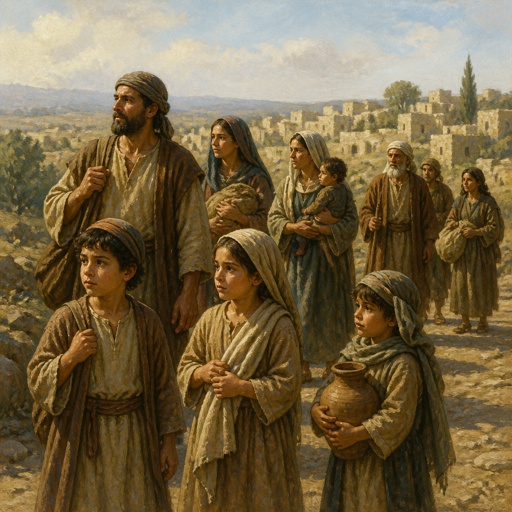
"The children of Gibeon, ninety and five." - Nehemiah 7:25

Nehemiah 12:13 - "Of Ezra, Meshullam; of Amariah, Jehohanan;"

Nehemiah 7:13 - "The children of Zattu, eight hundred forty and five."

Nehemiah 12:25 - "Mattaniah, and Bakbukiah, Obadiah, Meshullam, Talmon, Akkub, were porters keeping the ward at the thresholds of the gates."

"Hodijah, Bani, Beninu." - Nehemiah 10:13

"Of Ezra, Meshullam; of Amariah, Jehohanan;" - Nehemiah 12:13
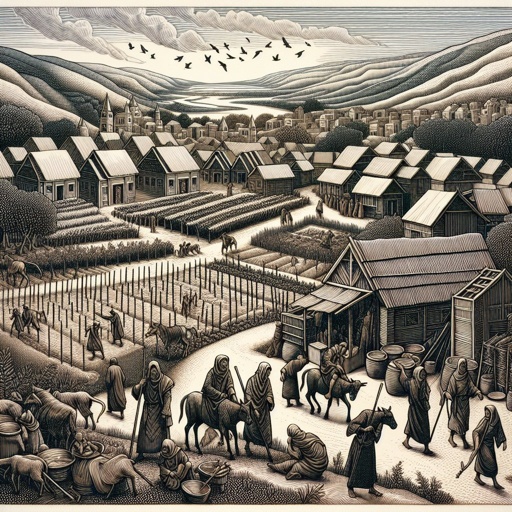
Nehemiah 11:25 - "And for the villages, with their fields, some of the children of Judah dwelt at Kirjath-arba, and in the villages thereof, and at Dibon, and in the villages thereof, and at Jekabzeel, and in the villages thereof,"

Nehemiah 13:12 - "Then brought all Judah the tithe of the corn and the new wine and the oil unto the treasuries."

Nehemiah 13:31 - "And for the wood offering, at times appointed, and for the firstfruits. Remember me, O my God, for good."

Nehemiah 13:20 - "So the merchants and sellers of all kind of ware lodged without Jerusalem once or twice."

Nehemiah 13:4 - "¶ And before this, Eliashib the priest, having the oversight of the chamber of the house of our God, was allied unto Tobiah:"

Nehemiah 13:23 - "¶ In those days also saw I Jews that had married wives of Ashdod, of Ammon, and of Moab:"

Nehemiah 13:29 - "Remember them, O my God, because they have defiled the priesthood, and the covenant of the priesthood, and of the Levites."

Nehemiah 13:24 - "And their children spake half in the speech of Ashdod, and could not speak in the Jews' language, but according to the language of each people."

Nehemiah 13:8 - "And it grieved me sore: therefore I cast forth all the household stuff of Tobiah out of the chamber."

Genesis 25-13

Nehemiah 13:3 - "Now it came to pass, when they had heard the law, that they separated from Israel all the mixed multitude."

"The children of Zattu, eight hundred forty and five." - Nehemiah 7:13

Nehemiah 13:9 - "Then I commanded, and they cleansed the chambers: and thither brought I again the vessels of the house of God, with the meat offering and the frankincense."

Nehemiah 13:7 - "And I came to Jerusalem, and understood of the evil that Eliashib did for Tobiah, in preparing him a chamber in the courts of the house of God."

Nehemiah 13:13 - "And I made treasurers over the treasuries, Shelemiah the priest, and Zadok the scribe, and of the Levites, Pedaiah: and next to them was Hanan the son of Zaccur, the son of Mattaniah: for they were counted faithful, and their office was to distribute unto their brethren."

Nehemiah 13:30 - "Thus cleansed I them from all strangers, and appointed the wards of the priests and the Levites, every one in his business;"

Nehemiah 13:17 - "Then I contended with the nobles of Judah, and said unto them, What evil thing is this that ye do, and profane the sabbath day?"