Standing Firm in Opposition: A Reflection on Nehemiah 2:10
“When Sanballat the Horonite, and Tobiah the servant, the Ammonite, heard of it, it grieved them exceedingly that there was come a man to seek the welfare of the children of Israel.” — Nehemiah 2:10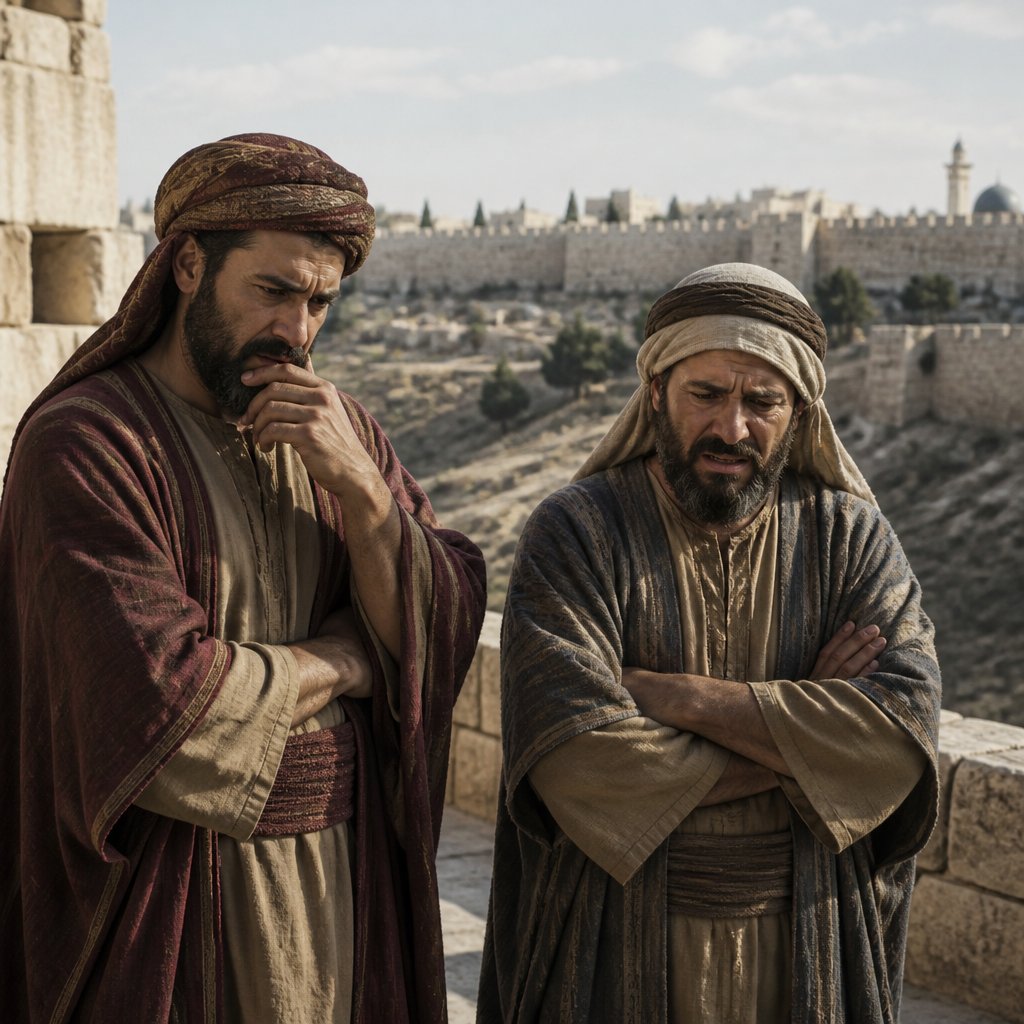
The book of Nehemiah is a remarkable chronicle of leadership, faith, and the pursuit of God’s mission amidst adversity. Chapter 2, verse 10, presents a vivid picture of opposition faced by those who seek to do God’s work. The verse states, "When Sanballat the Horonite, and Tobiah the servant, the Ammonite, heard of it, it grieved them exceedingly that there was come a man to seek the welfare of the children of Israel."
This verse is laden with meaning, reflecting the profound reality that whenever we endeavor to pursue God’s calling, we will often encounter resistance. It is essential to understand the backdrop against which Nehemiah operated. He left the comfort of the Persian court, where he served as cupbearer to the king, to return to Jerusalem and rebuild the city walls, which were in ruins. His heart was burdened for his people, suffering and demoralized as they faced numerous trials. Nehemiah’s commitment to seek the welfare of the children of Israel stirred not only the hope of the hopeless but also the ire of those who sought to maintain the status quo.
Sanballat and Tobiah symbolize those who are opposed to God’s work. Sanballat, a Horonite and leader of the Samaritans, and Tobiah, an Ammonite official, function as agents of discouragement and disbelief. Their profound grief upon learning of Nehemiah’s intentions serves as a stark reminder that the mission of God often draws the ire of the enemy. Their distress is not merely a personal grievance but stems from a deeper fear of losing control and influence over the people of Israel.
Therefore, as followers of Christ, we too must anticipate opposition when we seek to fulfill our calling. Whether it manifests through skepticism from friends and family or through spiritual battles that arise, we can be assured that the moment we declare our intention to seek the welfare of others in accordance with God’s will, we will stir up both heavenly zeal and hellish fury. This is a crucial aspect of spiritual warfare—understanding that the enemy will rise to oppose every move of faith.
Furthermore, let's examine the heart of Nehemiah. His commitment was rooted in compassion and obedience. He recognized his responsibility, not solely as a leader but as a servant of God and the people. His journey was not one of self-glorification; rather, he was motivated by the welfare of the children of Israel. This selfless dedication is what makes Nehemiah an outstanding figure in biblical leadership. He put the interests of others before his own, reorienting his life toward the needs of the vulnerable and hurting.
As we reflect on Nehemiah’s courage and dedication, it brings us to a fundamental question: Are we prepared to face opposition in our own pursuits of justice and compassion? Each one of us is called to engage in God’s work, whether it is through ministry, social justice, or simply lending a helping hand to those in need. Being a follower of Christ invites us into a narrative where our good deeds might be met with resistance. Yet, like Nehemiah, we must find our strength in God’s calling and the intrinsic desire to seek the welfare of those around us.
In moments of struggle, let us take heart from Nehemiah’s example. His journey teaches us that opposition is part of the process. God allows these challenges not to deter us but to deepen our reliance on Him. May we remember that our efforts to bring welfare to others are in alignment with God’s kingdom work. Let us stand firm against any discouragement and be resolved to pursue the purpose God has in our lives, knowing that He is with us and that, like Nehemiah, we are capable of making a lasting impact despite opposition.
Get our apps


Artwork for Nehemiah 2:10

Nehemiah 2:10 - "When Sanballat the Horonite, and Tobiah the servant, the Ammonite, heard of it, it grieved them exceedingly that there was come a man to seek the welfare of the children of Israel."
"When Sanballat the Horonite, and Tobiah the servant, the Ammonite, heard of it, it grieved them exceedingly that there was come a man to seek the welfare of the children of Israel." - Nehemiah 2:10

Nehemiah 10:2 - "Seraiah, Azariah, Jeremiah,"

"Seraiah, Azariah, Jeremiah," - Nehemiah 10:2

Nehemiah 10:1 - "Now those that sealed were, Nehemiah, the Tirshatha, the son of Hachaliah, and Zidkijah,"

Nehemiah 10:10 - "And their brethren, Shebaniah, Hodijah, Kelita, Pelaiah, Hanan,"

Nehemiah 8:10

Nehemiah 8:10

Nehemiah 8:10

Nehemiah 10:24 - "Hallohesh, Pileha, Shobek,"

Nehemiah 10:22 - "Pelatiah, Hanan, Anaiah,"

Nehemiah 10:5 - "Harim, Meremoth, Obadiah,"

Nehemiah 10:23 - "Hoshea, Hananiah, Hashub,"

Nehemiah 10:21 - "Meshezabeel, Zadok, Jaddua,"

Nehemiah 10:7 - "Meshullam, Abijah, Mijamin,"

Nehemiah 10:11 - "Micha, Rehob, Hashabiah,"

Nehemiah 10:27 - "Malluch, Harim, Baanah."

Nehemiah 10:25 - "Rehum, Hashabnah, Maaseiah,"

Nehemiah 10:19 - "Hariph, Anathoth, Nebai,"

Nehemiah 10:6 - "Daniel, Ginnethon, Baruch,"

Nehemiah 10:26 - "And Ahijah, Hanan, Anan,"

Nehemiah 10:16 - "Adonijah, Bigvai, Adin,"

Nehemiah 10:18 - "Hodijah, Hashum, Bezai,"

Nehemiah 10:20 - "Magpiash, Meshullam, Hezir,"

Nehemiah 10:3 - "Pashur, Amariah, Malchijah,"

Nehemiah 10:17 - "Ater, Hizkijah, Azzur,"

Nehemiah 10:4 - "Hattush, Shebaniah, Malluch,"

Nehemiah 10:12 - "Zaccur, Sherebiah, Shebaniah,"

Nehemiah 10:15 - "Bunni, Azgad, Bebai,"

Nehemiah 10:13 - "Hodijah, Bani, Beninu."