The Depths of Divine Mercy: Understanding Numbers 14:18-19
“The LORD is longsuffering, and of great mercy, forgiving iniquity and transgression, and by no means clearing the guilty, visiting the iniquity of the fathers upon the children unto the third and fourth generation. Pardon, I beseech thee, the iniquity of this people according unto the greatness of thy mercy, and as thou hast forgiven this people, from Egypt even until now.” — Numbers 14:18-19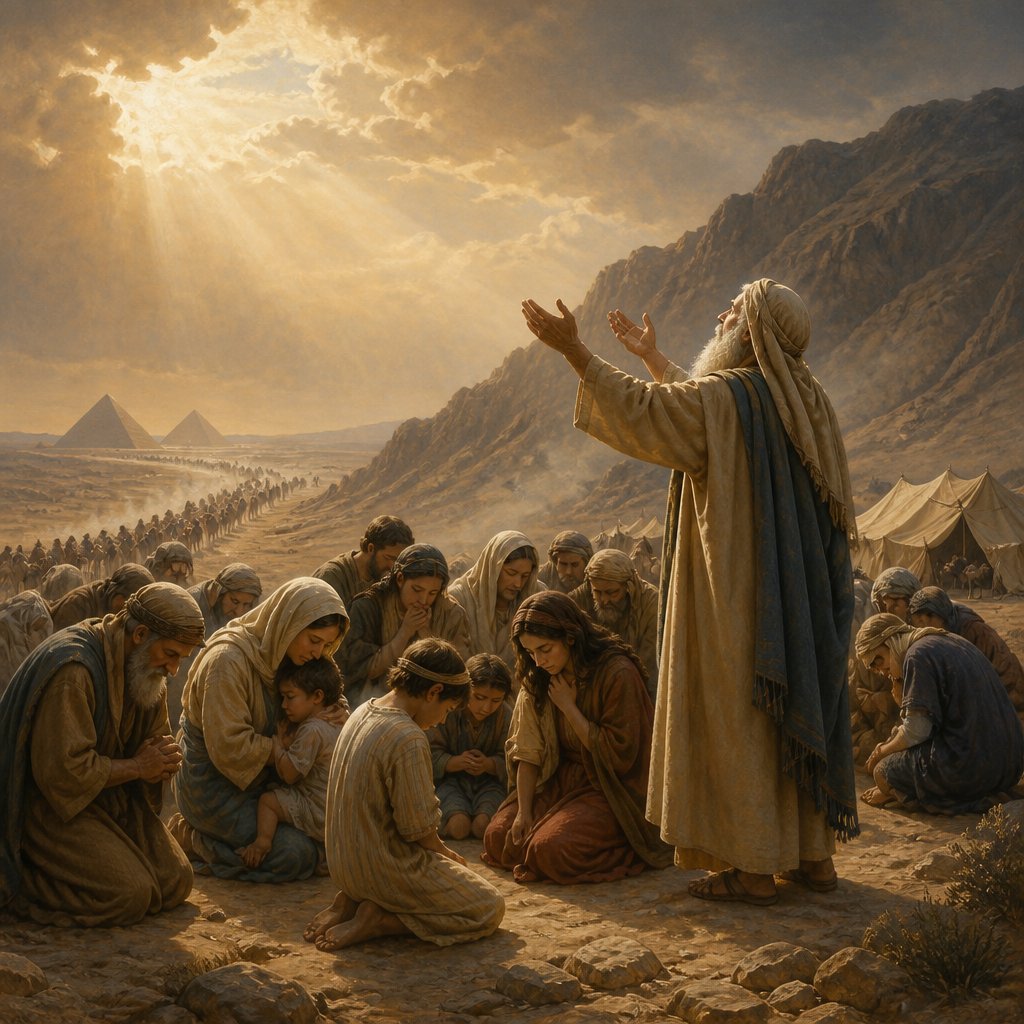
In the sacred tapestry of scripture, few threads shine brighter than the themes of mercy and forgiveness. Numbers 14:18-19 serves as a profound reminder of the nature of God’s relationship with His people, illustrating both His longsuffering character and the immense depth of His mercy. As we delve into these verses, we are invited to reflect on the implications of God’s patience and grace in our lives, and how these attributes can transform our understanding of sin and the possibility of redemption.
The verse begins with a remarkable statement about God: "The Lord is longsuffering, and of great mercy, forgiving iniquity and transgression." Here, we are confronted with the incredible patience of God. Longsuffering is not merely about enduring; it speaks of a deliberate restraint from acting in response to injustice. God observes the failings of humanity, the disobedience and rebellion of His people, and yet He pauses, allowing opportunities for repentance and change. In our fast-paced world, where everything is instantaneous, we may struggle to appreciate the profound significance of God’s longsuffering nature. It reminds us that God is not quick to anger nor hastily vindictive; rather, He is inclined towards patience, waiting for us to turn back to Him.
However, while God is longsuffering, He is also described as "of great mercy." The Hebrew understanding of mercy equates to steadfast love and compassion. In this verse, mercy is coupled with forgiveness; they are not isolated attributes but intertwined facets of God’s response to our failings. It’s easy to view forgiveness as a simple acquittal of wrongdoing, but in reality, forgiveness reflects a deep commitment to restore relationship.
God’s mercy is lavish and abundant, extending to "forgiving iniquity and transgression." Iniquity is seen as the bending of God's moral law, whereas transgression represents a more outright defiance against God's commandments. By forgiving these, the Lord acknowledges our frailty and the reality that, despite our best intentions, we will fall short of His glory. This understanding leads us to inquire: How often do we recognize the vastness of our need for such divine mercy?
Yet, just as the promise of mercy is offered, there also lies a sobering reminder: "by no means clearing the guilty, visiting the iniquity of the fathers upon the children unto the third and fourth generation." This statement invites contemplation regarding the consequences of sin. While the mercy of God is boundless, His justice equally stands firm. God’s righteousness demands accountability, extending the echoes of sin through generations. This is not a punitive measure but a call for us to grasp the serious implications of our actions and the ways they influence those who follow us. Therefore, we must be aware of the legacy we are creating with our choices.
In verse 19, Moses intercedes for the people of Israel, pleading, "Pardon, I beseech thee, the iniquity of this people according unto the greatness of thy mercy." This plea encapsulates the essence of grace; when confronted with the weight of sin, we can cry out to God for forgiveness, confident in His promise to pardon.
What a beautiful picture of intercession we find in Moses’ words! It illustrates that in our moments of despair, we are encouraged to approach God, asking for mercy not based on our merit, but according to the "greatness of [His] mercy." It is a humbling yet liberating reality.
As we explore Numbers 14:18-19, we find a God who is both just and merciful, longsuffering and forgiving. It calls each of us to reflect on our own lives, responding to God's patience by turning to Him in repentance and seeking His mercy. Let us not take for granted the profound depths of His forgiveness, nor the weightiness of our actions. Instead, may we embrace the transformative power of divine mercy that renews us and calls us to live in accordance with His holy will, paving a path of righteousness for future generations.
Get our apps


Artwork for Numbers 14:18-19

Numbers 14:18-19 - "The Lord is slow to anger, abounding in love and forgiving sin and rebellion. Yet he does not leave the guilty unpunished; he punishes the children for the sin of the parents to the third and fourth generation. In accordance with your great love, forgive the sin of these people, just as you have pardoned them from the time they left Egypt until now."
"The Lord is slow to anger, abounding in love and forgiving sin and rebellion. Yet he does not leave the guilty unpunished; he punishes the children for the sin of the parents to the third and fourth generation. In accordance with your great love, forgive the sin of these people, just as you have pardoned them from the time they left Egypt until now." - Numbers 14:18-19

Numbers 19:14-19 Touching a dead is unclean

Numbers 18:14 - "Every thing devoted in Israel shall be thine."

Numbers 19:14 - "This is the law, when a man dieth in a tent: all that come into the tent, and all that is in the tent, shall be unclean seven days."

"Every thing devoted in Israel shall be thine." - Numbers 18:14

Numbers 14:18 - "The LORD is longsuffering, and of great mercy, forgiving iniquity and transgression, and by no means clearing the guilty, visiting the iniquity of the fathers upon the children unto the third and fourth generation."

Numbers 14:19 - "Pardon, I beseech thee, the iniquity of this people according unto the greatness of thy mercy, and as thou hast forgiven this people, from Egypt even until now."

Proverbs 14:17-19 - "17: A quick-tempered person does foolish things, and the one who devises evil schemes is hated. 18: The simple inherit folly, but the prudent are crowned with knowledge. 19: Evildoers will bow down in the presence of the good, and the wicked at the gates of the righteous."

Numbers 19:18 - "And a clean person shall take hyssop, and dip it in the water, and sprinkle it upon the tent, and upon all the vessels, and upon the persons that were there, and upon him that touched a bone, or one slain, or one dead, or a grave:"

Numbers 18:19 - "All the heave offerings of the holy things, which the children of Israel offer unto the LORD, have I given thee, and thy sons and thy daughters with thee, by a statute for ever: it is a covenant of salt for ever before the LORD unto thee and to thy seed with thee."

"This is the law, when a man dieth in a tent: all that come into the tent, and all that is in the tent, shall be unclean seven days." - Numbers 19:14

Numbers 16:18

Numbers 18:18 - "And the flesh of them shall be thine, as the wave breast and as the right shoulder are thine."

Numbers 14:8

Numbers 14:8

Luke 10:18-19

Luke 13:18-19

Luke 10:18-19

Luke 10:18-19

Luke 13:18-19

Numbers 14:8

Numbers 32:16-18
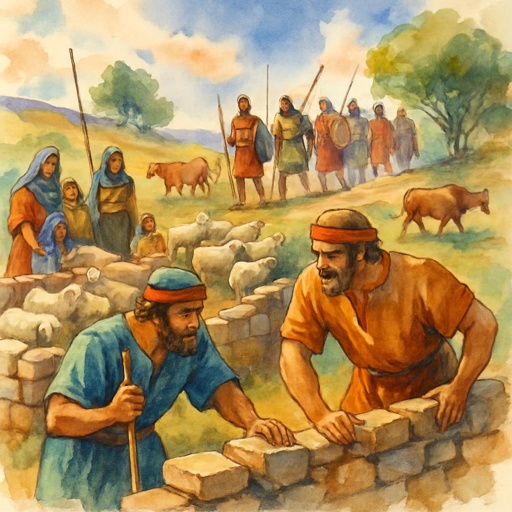
Numbers 32:16-18

Luke 10:18-19

Luke 10:18-19

Luke 10:18-19

Genesis 18-19

Numbers 33:18 - "And they departed from Hazeroth, and pitched in Rithmah."

Numbers 18:25 - "¶ And the LORD spake unto Moses, saying,"