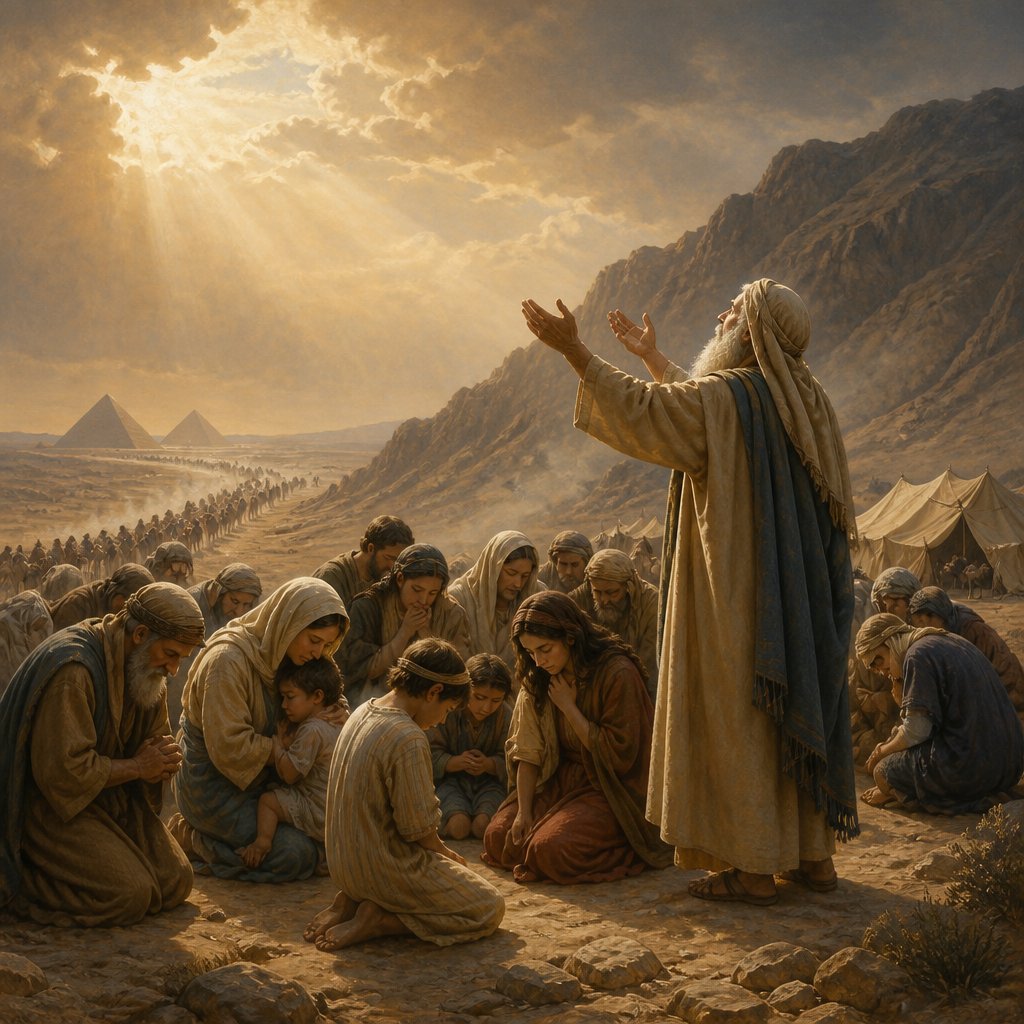
Numbers 14:18-19 in the King James Version of the Bible reads: "The Lord is longsuffering, and of great mercy, forgiving iniquity and transgression, and by no means clearing the guilty, visiting the iniquity of the fathers upon the children unto the third and fourth generation. Pardon, I beseech thee, the iniquity of this people according unto the greatness of thy mercy, and as thou hast forgiven this people, from Egypt even until now."
This passage comes from the book of Numbers in the Old Testament, and it is part of a larger narrative that recounts the story of the Israelites' journey from Egypt to the Promised Land. In these verses, Moses is interceding on behalf of the Israelites after they have rebelled against God and are facing the consequences of their actions.
The themes present in this passage include the mercy and longsuffering nature of God, as well as the concepts of forgiveness and the consequences of sin. The context of these verses is important for understanding their significance within the larger narrative of the book of Numbers.
In the preceding chapters of Numbers, the Israelites have received the report from the twelve spies who went to survey the Promised Land. Despite the fact that the land is described as rich and bountiful, with the potential for a prosperous future, the majority of the spies give a negative report, speaking of the powerful inhabitants and the impossibility of conquering the land. This report incites fear and rebellion among the Israelites, who express a desire to return to Egypt rather than face the challenges of claiming the Promised Land.
This rebellion incurs the wrath of God, who threatens to destroy the people and start over with Moses as the leader of a new nation. However, Moses intercedes on behalf of the Israelites, appealing to the mercy and forgiveness of God. It is within this context that we find the verses in question, with Moses acknowledging God's longsuffering and mercy, but also appealing for the pardon of the people's iniquity.
The passage emphasizes the complex nature of God's character. On one hand, God is described as being "longsuffering" and "of great mercy," willing to forgive iniquity and transgression. This suggests that God is patient and compassionate, showing kindness and leniency towards the Israelites despite their constant failings. This aspect of God's character reflects his enduring love and grace towards his people, even when they do not deserve it.
However, the passage also highlights that God does not simply overlook sin and wrongdoing. It states that he does not "clear the guilty," and that he "visits the iniquity of the fathers upon the children unto the third and fourth generation." This demonstrates the principle of retribution and the idea that the consequences of sin can affect future generations. This duality in God's nature, as both merciful and just, is a recurring theme throughout the Bible and is central to understanding the Christian doctrine of salvation and redemption.
Moses' plea for the pardon of the Israelites' iniquity is a powerful example of intercessory prayer and the role of a mediator between God and his people. As the leader of the Israelites, Moses acts as an advocate for the people, appealing to God to show leniency and forgiveness. This demonstrates the important role of leadership and spiritual authority in representing the needs and concerns of a community before God.
The passage also serves as a reminder of the importance of repentance and seeking forgiveness. Despite the Israelites' rebellion and unfaithfulness, Moses acknowledges that God has forgiven them "from Egypt even until now." This highlights the need for genuine repentance and a turning away from sin in order to receive God's mercy and forgiveness.
In conclusion, Numbers 14:18-19 is a deeply meaningful and thought-provoking passage that reflects the complexities of God's character, the nature of sin and forgiveness, and the role of intercession and repentance. It provides valuable insights into the themes of mercy, justice, and the enduring love of God, and it is a powerful example of the importance of spiritual leadership and advocacy. This passage continues to be a source of inspiration and reflection for Christians seeking to understand the depth of God's grace and the transformative power of seeking forgiveness.
Get our apps


Artwork for Numbers 14:18-19

Numbers 14:18-19 - "The Lord is slow to anger, abounding in love and forgiving sin and rebellion. Yet he does not leave the guilty unpunished; he punishes the children for the sin of the parents to the third and fourth generation. In accordance with your great love, forgive the sin of these people, just as you have pardoned them from the time they left Egypt until now."
"The Lord is slow to anger, abounding in love and forgiving sin and rebellion. Yet he does not leave the guilty unpunished; he punishes the children for the sin of the parents to the third and fourth generation. In accordance with your great love, forgive the sin of these people, just as you have pardoned them from the time they left Egypt until now." - Numbers 14:18-19

Numbers 19:14-19 Touching a dead is unclean

Numbers 18:14 - "Every thing devoted in Israel shall be thine."

Numbers 19:14 - "This is the law, when a man dieth in a tent: all that come into the tent, and all that is in the tent, shall be unclean seven days."

"Every thing devoted in Israel shall be thine." - Numbers 18:14

Numbers 14:18 - "The LORD is longsuffering, and of great mercy, forgiving iniquity and transgression, and by no means clearing the guilty, visiting the iniquity of the fathers upon the children unto the third and fourth generation."

Numbers 14:19 - "Pardon, I beseech thee, the iniquity of this people according unto the greatness of thy mercy, and as thou hast forgiven this people, from Egypt even until now."

Proverbs 14:17-19 - "17: A quick-tempered person does foolish things, and the one who devises evil schemes is hated. 18: The simple inherit folly, but the prudent are crowned with knowledge. 19: Evildoers will bow down in the presence of the good, and the wicked at the gates of the righteous."

Numbers 19:18 - "And a clean person shall take hyssop, and dip it in the water, and sprinkle it upon the tent, and upon all the vessels, and upon the persons that were there, and upon him that touched a bone, or one slain, or one dead, or a grave:"
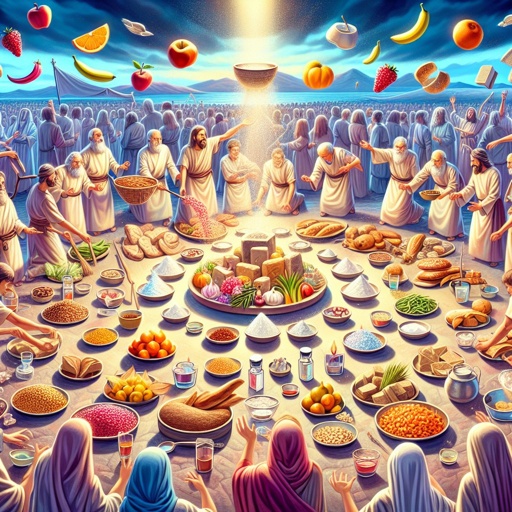
Numbers 18:19 - "All the heave offerings of the holy things, which the children of Israel offer unto the LORD, have I given thee, and thy sons and thy daughters with thee, by a statute for ever: it is a covenant of salt for ever before the LORD unto thee and to thy seed with thee."
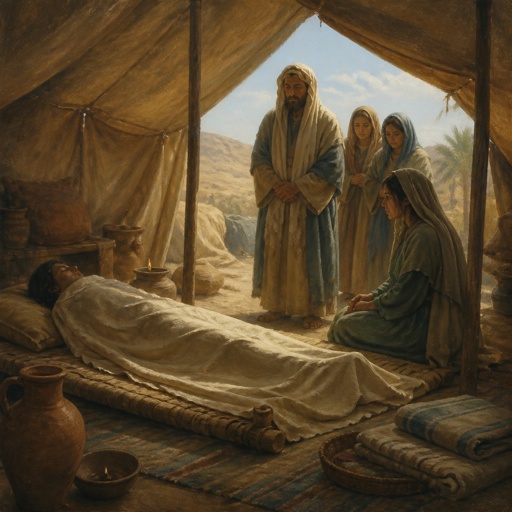
"This is the law, when a man dieth in a tent: all that come into the tent, and all that is in the tent, shall be unclean seven days." - Numbers 19:14

Numbers 16:18

Numbers 18:18 - "And the flesh of them shall be thine, as the wave breast and as the right shoulder are thine."

Numbers 14:8

Numbers 14:8

Luke 10:18-19

Luke 13:18-19

Luke 10:18-19

Luke 10:18-19

Luke 13:18-19

Numbers 14:8
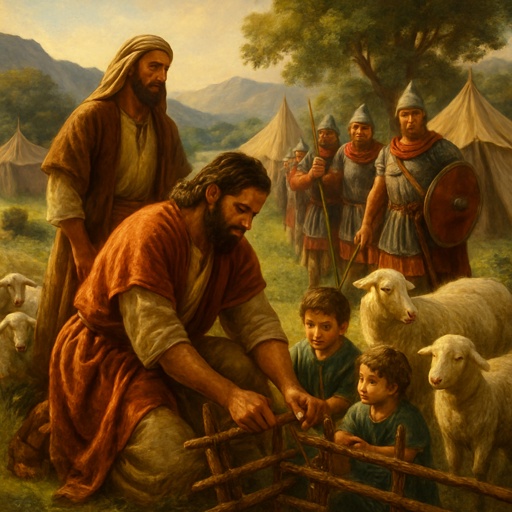
Numbers 32:16-18
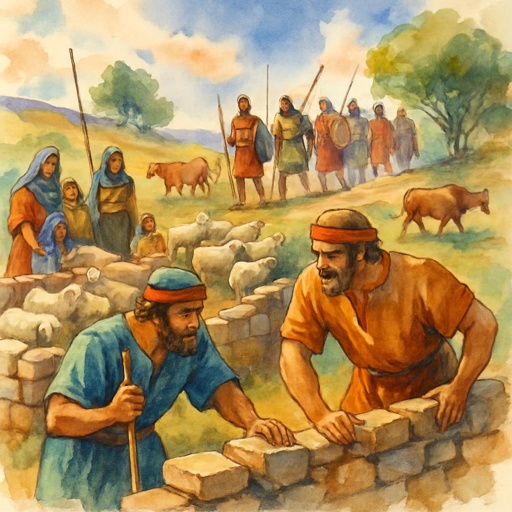
Numbers 32:16-18

Luke 10:18-19

Luke 10:18-19

Luke 10:18-19

Genesis 18-19

Numbers 33:18 - "And they departed from Hazeroth, and pitched in Rithmah."

Numbers 18:25 - "¶ And the LORD spake unto Moses, saying,"