The Cleansing Power of Hyssop: A Journey to Holiness
“And a clean person shall take hyssop, and dip it in the water, and sprinkle it upon the tent, and upon all the vessels, and upon the persons that were there, and upon him that touched a bone, or one slain, or one dead, or a grave:” — Numbers 19:18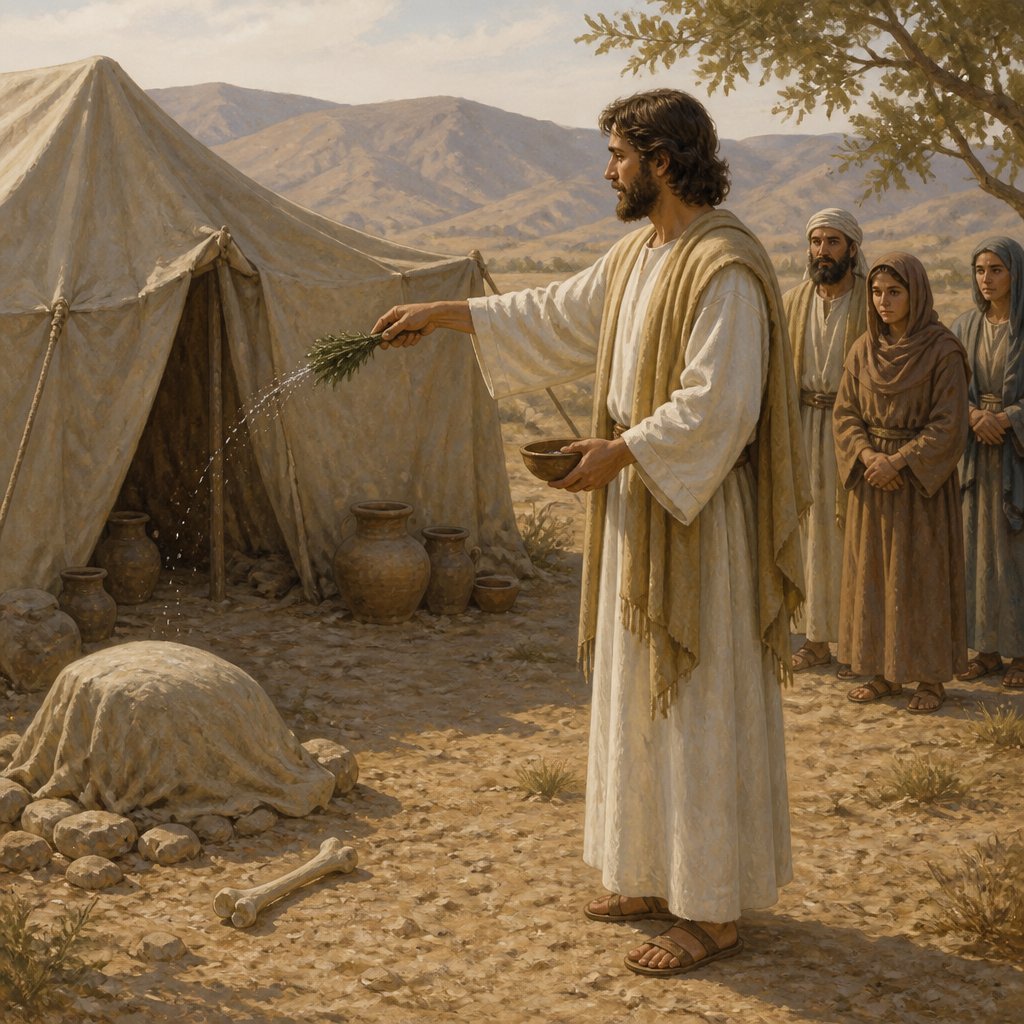
The verse from Numbers 19:18—"And a clean person shall take hyssop, and dip it in the water, and sprinkle it upon the tent, and upon all the vessels, and upon the persons that were there, and upon him that touched a bone, or one slain, or one dead, or a grave"—may initially seem antiquated, bound in Old Testament ritualistic law. Yet, as we delve deeper, we unravel profound truths that resonate with our spiritual journey today.
At the heart of this verse lies a call to holiness and cleanliness—concepts that are pivotal in our walk with God. The act of using hyssop, a plant known for its cleansing properties, symbolizes purification. In ancient times, hyssop was used for ceremonial cleansing, indicating that physical purity was essential for approaching the Lord. Similarly, our spiritual lives require cleansing. The Bible frequently emphasizes God's desire for His people to remain unstained by the world—a theme that reverberates throughout Scripture.
The process outlined in Numbers 19:18 serves as a powerful reminder of the importance of purification rituals. Sprinkling the hyssop dipped in water illustrates not merely a physical act, but a spiritual reality. It signifies the transfer of purity from the one who is clean to that which is contaminated. This mirrors our own spiritual journey, where we must consistently seek God's cleansing in our lives—asking for the Holy Spirit to wash over us, to cleanse our hearts, and to renew our minds.
Spiritual contamination comes in many forms: sin, worldly distractions, grief, and even trauma. In our lives, we may find ourselves like 'the one that touched a bone, or one slain, or one dead', each circumstance tying us to what is unclean. The weight of such encounters may leave us feeling distant from God's presence, questioning our worthiness to approach Him. Yet, Numbers 19:18 offers a redemptive promise—the assurance that through the right means of cleansing, we can regain our relationship with our Creator.
God's intent for His people has always been restoration. He wants us to draw near, and in drawing near, we find both healing and rejuvenation. This practice served as a precursor to the ultimate purification brought forth by Christ. Just as the hyssop sprinkled physically cleansed the tainted, Jesus, the Lamb of God, through His sacrifice, cleanses us from all sin—spiritually washing us clean and granting us entrance into the presence of the Father.
In our modern context, we often overlook the significance of personal and communal purity. As we encounter death—be it physical, emotional, or spiritual—how do we respond? Are we quick to seek out cleansing, or do we allow ourselves to linger in a state of contamination? It is essential to recognize that engaging with the spiritually dead around us requires us to remain vigilant, seeking continual cleansing and refuge in God's grace. Just as the clean person had to dip hyssop and sprinkle the water, we, too, must actively pursue the Father, immersing ourselves in prayer, scripture, and community.
Moreover, in acknowledging our need for purification, we are reminded of our position as part of a body of believers. The verse implies a shared responsibility in the community—a call for those who are clean to minister to those who are not. As we navigate the complexities of our lives, we must be intentional about lifting up one another, sprinkling grace and love as God has poured His mercy upon us. This sharing builds a community rooted in compassion, understanding, and collective sanctification.
In conclusion, Numbers 19:18 challenges us to consider what it means to be clean in an unclean world. We are called to regularly seek cleansing, whether it be through prayer, reading scripture, serving others, or engaging in authentic fellowship. Let us remember that true cleansing comes from Christ, who invites us to lay our burdens down and assures us of His redeeming love. As we dip our hyssop and sprinkle the water of grace, may we transform ourselves and those around us, stepping forward into the vibrant, holy lives that God desires for us.
Get our apps


Artwork for Numbers 19:18

Numbers 19:18 - "And a clean person shall take hyssop, and dip it in the water, and sprinkle it upon the tent, and upon all the vessels, and upon the persons that were there, and upon him that touched a bone, or one slain, or one dead, or a grave:"
"And a clean person shall take hyssop, and dip it in the water, and sprinkle it upon the tent, and upon all the vessels, and upon the persons that were there, and upon him that touched a bone, or one slain, or one dead, or a grave:" - Numbers 19:18
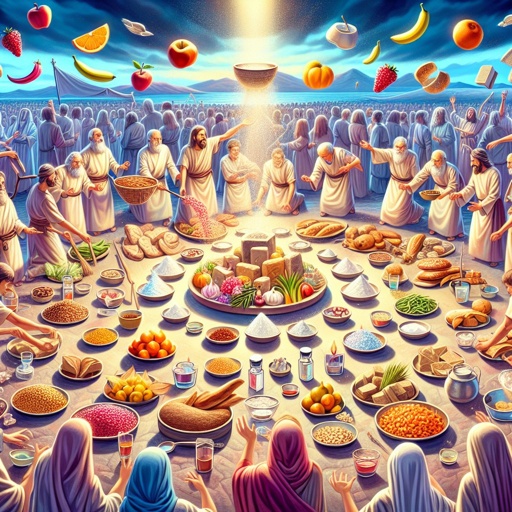
Numbers 18:19 - "All the heave offerings of the holy things, which the children of Israel offer unto the LORD, have I given thee, and thy sons and thy daughters with thee, by a statute for ever: it is a covenant of salt for ever before the LORD unto thee and to thy seed with thee."

Numbers 16:18

Numbers 19:14-19 Touching a dead is unclean

Numbers 18:18 - "And the flesh of them shall be thine, as the wave breast and as the right shoulder are thine."

Luke 10:18-19

Luke 13:18-19

Luke 10:18-19

Luke 10:18-19

Luke 13:18-19
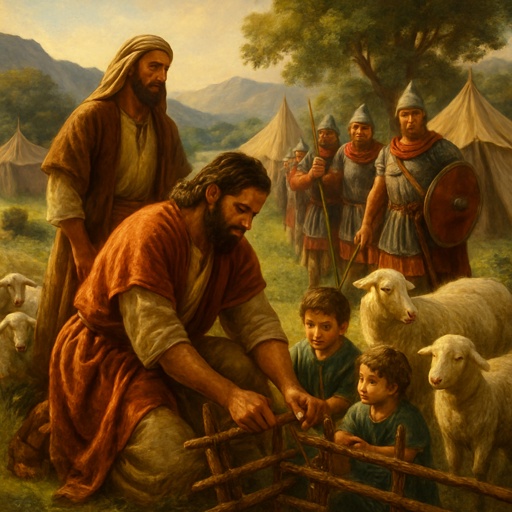
Numbers 32:16-18
Numbers 32:16-18

Luke 10:18-19

Luke 10:18-19

Luke 10:18-19

Genesis 18-19

Numbers 33:18 - "And they departed from Hazeroth, and pitched in Rithmah."

Numbers 18:25 - "¶ And the LORD spake unto Moses, saying,"

Job 18-19

Genesis 19-18

Numbers 1:19 - "As the LORD commanded Moses, so he numbered them in the wilderness of Sinai."

Numbers 14:18-19 - "The Lord is slow to anger, abounding in love and forgiving sin and rebellion. Yet he does not leave the guilty unpunished; he punishes the children for the sin of the parents to the third and fourth generation. In accordance with your great love, forgive the sin of these people, just as you have pardoned them from the time they left Egypt until now."

Numbers 21:19 - "And from Mattanah to Nahaliel: and from Nahaliel to Bamoth:"

Numbers 33:19 - "And they departed from Rithmah, and pitched at Rimmon-parez."

Numbers 18:14 - "Every thing devoted in Israel shall be thine."

Numbers 3:18 - "And these are the names of the sons of Gershon by their families; Libni, and Shimei."

Numbers 3:19 - "And the sons of Kohath by their families; Amram, and Izehar, Hebron, and Uzziel."

Numbers 34:19 - "And the names of the men are these: Of the tribe of Judah, Caleb the son of Jephunneh."

Numbers 19:1 - "And the LORD spake unto Moses and unto Aaron, saying,"