What does Numbers 19:18 mean?
“And a clean person shall take hyssop, and dip it in the water, and sprinkle it upon the tent, and upon all the vessels, and upon the persons that were there, and upon him that touched a bone, or one slain, or one dead, or a grave:” — Numbers 19:18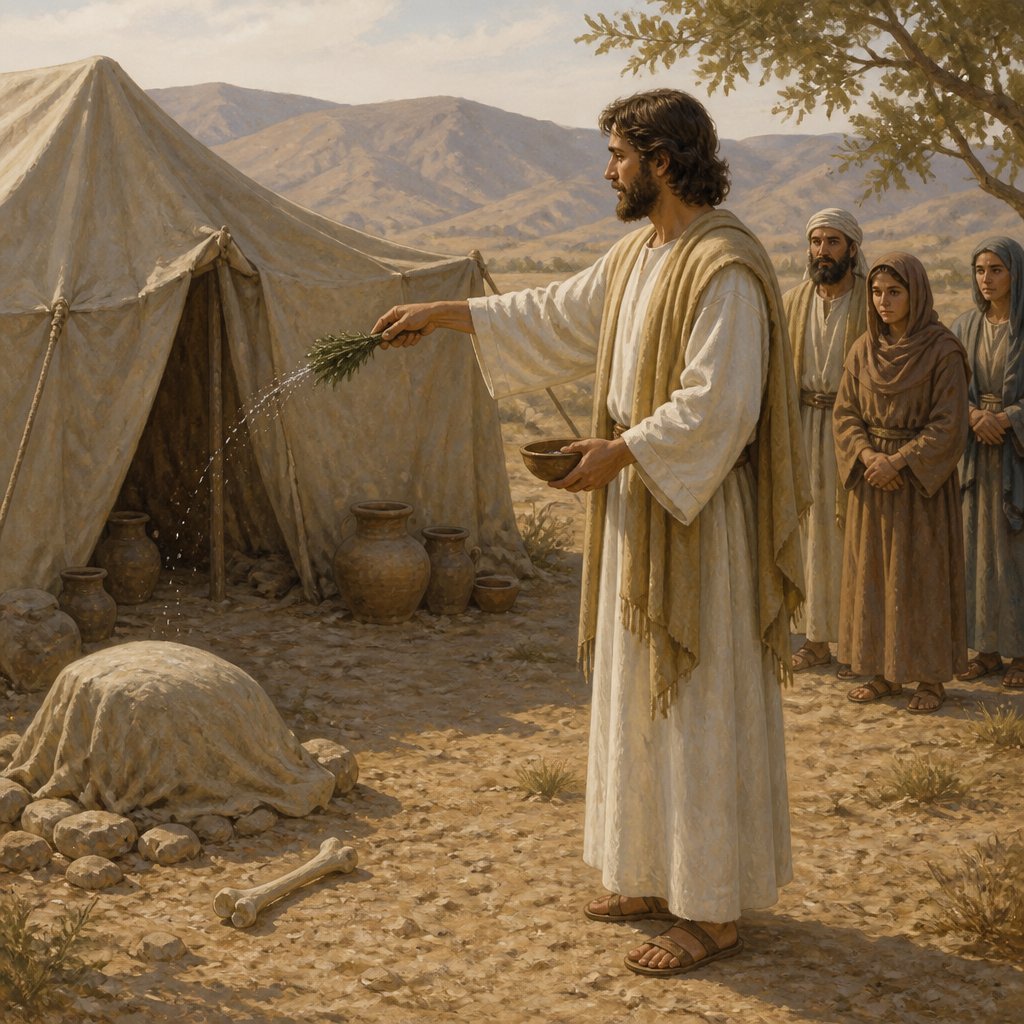
Numbers 19:18 in the King James Version of the Bible states, "And a clean person shall take hyssop, and dip it in the water, and sprinkle it upon the tent, and upon all the vessels, and upon the persons that were there, and upon him that touched a bone, or one slain, or one dead, or a grave." This verse is part of the Mosaic law, which was given to the Israelites as a set of religious and civil laws to govern their lives and worship.
In this particular verse, the use of the hyssop plant is significant. The hyssop plant was commonly used in purification and cleansing rituals in the Old Testament. It is mentioned several times in the Bible in connection with cleansing and purification, such as in the making of the water of purification (Numbers 19:6) and in the sprinkling of blood on the doorposts during the Passover (Exodus 12:22).
The act of sprinkling the water with hyssop upon the tent, vessels, and people was symbolic of cleansing and purifying them from the impurity of death. The substances mentioned in the verse - bone, one slain, one dead, and a grave - were all sources of ceremonial impurity according to Mosaic law. By sprinkling the water of purification with hyssop, the impurity was symbolically removed, allowing the people to be cleansed and restored to a state of purity before God.
The context of this verse is important for understanding its significance. In the preceding verses, the Lord gives instructions for the preparation of the water of purification, which was used to cleanse individuals and objects that had come into contact with death. This was particularly important for the Israelites, who were required to maintain ritual purity in order to worship and serve God in the tabernacle.
The broader theme of this verse is the concept of ritual purity and impurity in the Old Testament. The Mosaic law included a complex system of rules and regulations regarding purity and cleanliness, designed to set the Israelites apart as a holy people and to maintain their relationship with God. The emphasis on purity and cleanliness reflected the holiness of God and the need for His people to approach Him with reverence and respect.
Symbolically, the use of the hyssop plant and the water of purification point to the need for spiritual cleansing and purification. While the Old Testament rituals provided a temporary solution for ceremonial impurity, they ultimately pointed forward to the need for a more permanent and complete cleansing from sin. This theme finds its fulfillment in the New Testament, where Jesus Christ is presented as the ultimate and final sacrifice for sin, providing a way for humanity to be cleansed and restored to God.
In summary, Numbers 19:18 in the King James Version of the Bible speaks to the importance of ritual purification and the symbolic use of the hyssop plant in Old Testament religious practices. It reflects the broader themes of purity and impurity in the Mosaic law and points to the need for spiritual cleansing and purification. Ultimately, it finds its fulfillment in the redemptive work of Jesus Christ, who provides a way for humanity to be cleansed from sin and restored to a right relationship with God.
Get our apps


Artwork for Numbers 19:18

Numbers 19:18 - "And a clean person shall take hyssop, and dip it in the water, and sprinkle it upon the tent, and upon all the vessels, and upon the persons that were there, and upon him that touched a bone, or one slain, or one dead, or a grave:"
"And a clean person shall take hyssop, and dip it in the water, and sprinkle it upon the tent, and upon all the vessels, and upon the persons that were there, and upon him that touched a bone, or one slain, or one dead, or a grave:" - Numbers 19:18
Numbers 18:19 - "All the heave offerings of the holy things, which the children of Israel offer unto the LORD, have I given thee, and thy sons and thy daughters with thee, by a statute for ever: it is a covenant of salt for ever before the LORD unto thee and to thy seed with thee."

Numbers 16:18

Numbers 19:14-19 Touching a dead is unclean

Numbers 18:18 - "And the flesh of them shall be thine, as the wave breast and as the right shoulder are thine."

Luke 10:18-19

Luke 13:18-19

Luke 10:18-19

Luke 10:18-19

Luke 13:18-19
Numbers 32:16-18
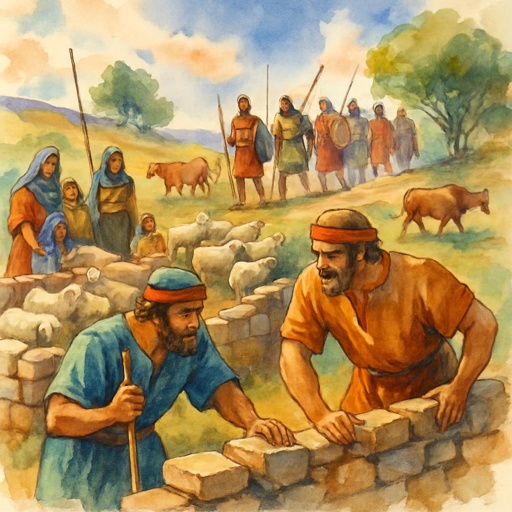
Numbers 32:16-18

Luke 10:18-19

Luke 10:18-19

Luke 10:18-19

Genesis 18-19

Numbers 33:18 - "And they departed from Hazeroth, and pitched in Rithmah."

Numbers 18:25 - "¶ And the LORD spake unto Moses, saying,"

Job 18-19

Genesis 19-18

Numbers 1:19 - "As the LORD commanded Moses, so he numbered them in the wilderness of Sinai."

Numbers 14:18-19 - "The Lord is slow to anger, abounding in love and forgiving sin and rebellion. Yet he does not leave the guilty unpunished; he punishes the children for the sin of the parents to the third and fourth generation. In accordance with your great love, forgive the sin of these people, just as you have pardoned them from the time they left Egypt until now."

Numbers 21:19 - "And from Mattanah to Nahaliel: and from Nahaliel to Bamoth:"

Numbers 33:19 - "And they departed from Rithmah, and pitched at Rimmon-parez."

Numbers 18:14 - "Every thing devoted in Israel shall be thine."

Numbers 3:18 - "And these are the names of the sons of Gershon by their families; Libni, and Shimei."

Numbers 3:19 - "And the sons of Kohath by their families; Amram, and Izehar, Hebron, and Uzziel."

Numbers 34:19 - "And the names of the men are these: Of the tribe of Judah, Caleb the son of Jephunneh."

Numbers 19:1 - "And the LORD spake unto Moses and unto Aaron, saying,"