The Divine Mercy That Transforms Sorrow into Joy
“For indeed he was sick nigh unto death: but God had mercy on him; and not on him only, but on me also, lest I should have sorrow upon sorrow.” — Philippians 2:27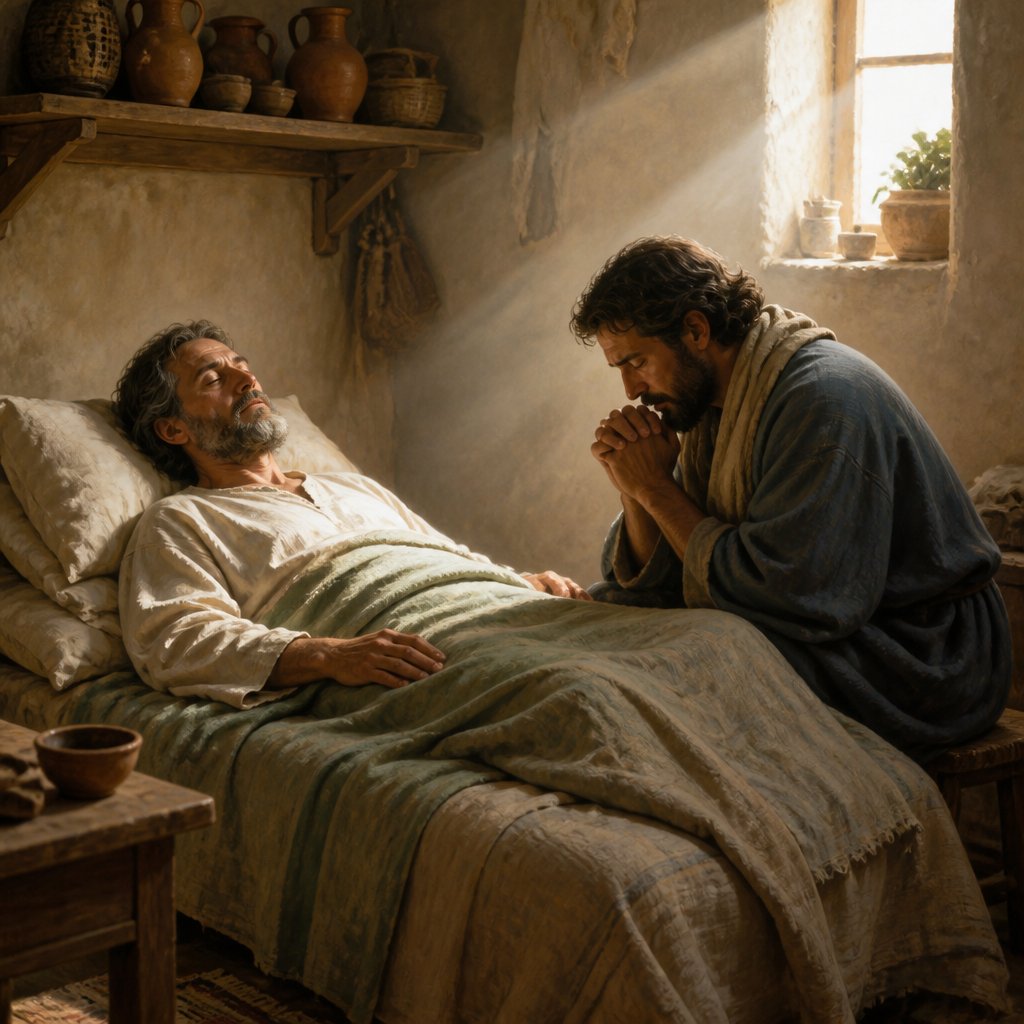
Philippians 2:27 states, "For indeed he was sick nigh unto death: but God had mercy on him; and not on him only, but on me also, lest I should have sorrow upon sorrow." Within this verse lies a profound understanding of God's mercy and its capacity to bring hope and joy in times of suffering.
As we dive into the context of Philippians, Paul is writing from a prison cell, addressing the church in Philippi. He expresses deep concern for the well-being of a fellow believer, Epaphroditus, who had fallen gravely ill during his mission to serve Paul. This situation is not just about physical illnesses but underscores a broader spiritual theme of mercy, love, and the interconnectedness of the Christian community. Paul’s acknowledgment of Epaphroditus’ near-death experience reminds us of those who suffer in silence or who bear the burdens of sickness in a world that often overlooks their struggles.
The phrase "nigh unto death" brings a stark reality to our attention: sickness can be a dark valley, a juncture where faith is tested. It is a reminder that even devoted servants of God are not exempt from trials and tribulations. Yet, this is precisely where God’s mercy shines through. Epaphroditus did not end his earthly journey in sickness; rather, God stepped in and provided healing. The grace exemplified in this moment reveals that no matter how dire circumstances may seem, there is always the possibility of divine intervention and restoration.
"But God had mercy on him; and not on him only, but on me also." God's mercy is not limited to individuals; it unfolds in communities, affecting everyone involved. Paul recognizes that the healing of Epaphroditus is not merely a personal blessing but one that relieves him of immense sorrow. If Epaphroditus had passed away, the impact of that loss would have exponentially increased Paul’s grief. The mercy bestowed upon one serves the collective lament of the community. Here, Paul illustrates a beautiful truth: our lives are intricately woven with others, and our suffering and joy are shared experiences. The joy of one can lift the sorrows of another.
In our contemporary world, it is essential to grasp this interconnectedness. When we hear of someone suffering, be it from illness, loss, or trials of life, it’s easy to overlook our emotional and spiritual obligation to reach out. The counter to this is that our response should be one of fervent prayer, intercession for those who are suffering, and recognizing that our compassionate involvement can lead to God’s mercy being manifested. We too should extend and share in the joys and sorrows of our fellow believers, understanding that one person’s relief from suffering has effects that ripple through their community.
In a society that often prioritizes individualism, the reminder that God provides for the collective needs of the community is revolutionary. God wishes to help us bear our burdens together. As we experience our sorrows, we must also remember that there are beautiful transformative moments that emerge through God’s mercy. Sorrow, when wrapped in divine grace, can lead to an overwhelming joy that transcends our circumstances. Paul teaches us that we should not shy away from expressing our sorrows but rather bring them before God in prayer, expectant of His mercy.
As we reflect on Philippians 2:27, let us take immense comfort in God’s mercy — both for us and through us. The promise is that our struggles can lead to a shared testimony of healing and community solidarity. Let us hold one another up in prayer and gather around those afflicted, because, ultimately, the mercy shown in one life can transform sorrow into unbridled joy for many.
Get our apps


Artwork for Philippians 2:27

Philippians 2:27 - "For indeed he was sick nigh unto death: but God had mercy on him; and not on him only, but on me also, lest I should have sorrow upon sorrow."
"For indeed he was sick nigh unto death: but God had mercy on him; and not on him only, but on me also, lest I should have sorrow upon sorrow." - Philippians 2:27

Philippians 2:7

Philippians 2:7

Philippians 2:7

Philippians 2:7

Philippians 1:27

Philippians 2:7 - "But made himself of no reputation, and took upon him the form of a servant, and was made in the likeness of men:"

Philippians 2:2

Philippians 2:29

Philippians 2:3

Philippians 2:3

Philippians 3:2

"But made himself of no reputation, and took upon him the form of a servant, and was made in the likeness of men:" - Philippians 2:7

Philippians 2:11

Philippians 2:3

Philippians 2:15

Philippians 2:9-11

Philippians 2:9-11

Philippians 2:9-11

Philippians 2:5-18

Philippians 2:19-30

Philippians 2:9-11

Philippians 2:5-18

Philippians 2:5-11

Philippians 2:14 - "Do all things without murmurings and disputings:"

Philippians 2:6 - "Who, being in the form of God, thought it not robbery to be equal with God:"

Philippians 2:29 - "Receive him therefore in the Lord with all gladness; and hold such in reputation:"

Philippians 2:18 - "For the same cause also do ye joy, and rejoice with me."

Philippians 2:5 - "Let this mind be in you, which was also in Christ Jesus:"