Watching for the Morning: Waiting, Hoping, and Trusting in the Word
“I wait for the LORD, my soul doth wait, and in his word do I hope. My soul waiteth for the Lord more than they that watch for the morning: I say, more than they that watch for the morning.” — Psalms 130:5-6
“I wait for the LORD, my soul doth wait, and in his word do I hope.
My soul [waiteth] for the Lord more than they that watch for the morning: [I say, more than] they that watch for the morning.” (Psalm 130:5–6, KJV)
Psalm 130 is a song for the weary and the repentant—words spoken from deep places. Waiting is not presented here as a casual pause, but as the posture of a soul that has reached the end of self-reliance. When the psalmist says, “I wait for the LORD,” he is not describing a passive delay; he is confessing a deliberate dependence. He chooses the LORD as the only true answer for what weighs on him. Then he intensifies it: “my soul doth wait.” This is not merely a schedule problem or an inconvenience; it is spiritual longing. The whole inner person leans toward God.
Notice the anchor of this waiting: “and in his word do I hope.” The psalmist does not build hope on changing feelings, improving circumstances, or quick outcomes. Hope is tied to “his word”—what God has said, what God has revealed, what God has promised. That means biblical hope is not wishful thinking. It is confidence rooted in the character of God as expressed in His words. When our lives feel suspended—answers delayed, direction unclear, strength diminished—Psalm 130 teaches us to fasten our expectation to what God has spoken rather than to what we can currently see.
Waiting can feel humiliating because it exposes our limits. We would rather act than sit still, rather fix than trust, rather control than surrender. Yet Scripture repeatedly shows that waiting before God is not wasted time; it is formative time. The soul that waits is being trained—trained to prefer God over solutions, God over shortcuts, God over self-salvation. “My soul doth wait” implies an inward discipline: the heart repeatedly returns to God, again and again, resisting the temptation to run elsewhere for relief.
Then the psalmist gives a vivid picture: “My soul [waiteth] for the Lord more than they that watch for the morning.” In ancient life, watchmen guarded the city through the night. They knew darkness would not last forever, but they also knew they could not hurry sunrise. They watched with expectancy, straining toward the first light, because morning meant safety, clarity, and the end of danger’s advantage. The psalmist says his longing for the Lord exceeds even that. He repeats it for emphasis: “[I say, more than] they that watch for the morning.” This repetition is the language of insistence. It is as though he is saying, “If you want to understand how intensely I need God—think of the most vigilant person waiting for dawn—and then know it is deeper still.”
Many believers struggle here because we want the “morning” without the “watch.” We want relief without refinement. But the watch is where faith becomes real. At night, you cannot see far; you live by what you know, not by what you can verify. Waiting teaches the soul to trust God’s Word as sufficient light until the fuller light arrives. This is why the psalmist connects waiting with hope in the Word. He is not staring into darkness with empty hands; he is holding God’s promises.
This passage invites honest reflection: What am I waiting for right now? An answer? Healing? Reconciliation? Provision? Guidance? If so, Psalm 130:5–6 gently redirects the focus. It does not say, “I wait for results.” It says, “I wait for the LORD.” The greatest gift in the waiting season is not merely what God gives, but God Himself. When the LORD becomes the object of our waiting, we are less shaken by delays, because the relationship is not postponed. We can seek Him now, worship Him now, obey Him now, and hope in His Word now.
A practical way to live this out is to turn waiting into prayerful attentiveness. When impatience rises, return to the verse: “I wait for the LORD.” When anxiety whispers, answer it with Scripture: “in his word do I hope.” When discouragement deepens, remember the watchman: night is real, but morning is certain. God’s timing may feel slow, but it is never careless. The LORD who authored the promise also governs the dawn.
Prayer: Lord, teach my soul to wait for Thee. When I cannot see what is ahead, let me hope in Thy word. Make my longing for Thee stronger than my longing for quick answers. Hold me through the night, and keep me watching in faith until the morning Thou hast appointed. Amen.
Get our apps


Artwork for Psalms 130:5-6
!["I wait for the LORD, my soul doth wait, and in his word do I hope.
My soul [waiteth] for the Lord more than they that watch for the morning: [I say, more than] they that watch for the morning." - Psalms 130:5-6](https://media.bible.art/76772fbb-8cd9-4d0e-9d2e-aedc6849d7b1-thumbnail.jpg)
"I wait for the LORD, my soul doth wait, and in his word do I hope. My soul [waiteth] for the Lord more than they that watch for the morning: [I say, more than] they that watch for the morning." - Psalms 130:5-6

Psalms 130:6 - "My soul waiteth for the Lord more than they that watch for the morning: I say, more than they that watch for the morning."

Psalms 130:5 - "I wait for the LORD, my soul doth wait, and in his word do I hope."
!["I wait for the LORD, my soul doth wait, and in his word do I hope.
My soul [waiteth] for the Lord more than they that watch for the morning: [I say, more than] they that watch for the morning." - Psalm 130:5-6](https://media.bible.art/b7fb09c9-fbf4-4f06-8674-abf8e7c80f8c-thumbnail.jpg)
"I wait for the LORD, my soul doth wait, and in his word do I hope. My soul [waiteth] for the Lord more than they that watch for the morning: [I say, more than] they that watch for the morning." - Psalm 130:5-6

"I wait for the LORD, my soul doth wait, and in his word do I hope." - Psalms 130:5

Psalms 130:4 - "But there is forgiveness with thee, that thou mayest be feared."

"My soul waiteth for the Lord more than they that watch for the morning: I say, more than they that watch for the morning." - Psalms 130:6

"I wait for the LORD, my soul doth wait, and in his word do I hope." - Psalms 130:5

Psalm 130:5-7, patience, watchful waiting

Psalms 130:7 - "Let Israel hope in the LORD: for with the LORD there is mercy, and with him is plenteous redemption."

psalm 130

"The entrance of thy words giveth light; it giveth understanding unto the simple." - Psalms 119:130

"And he shall redeem Israel from all his iniquities." - Psalms 130:8

Psalms 130:2 - "Lord, hear my voice: let thine ears be attentive to the voice of my supplications."
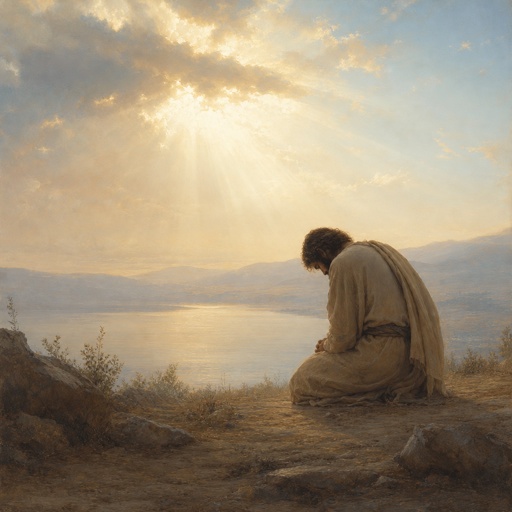
"But there is forgiveness with thee, that thou mayest be feared." - Psalms 130:4

Psalms 130:8 - "And he shall redeem Israel from all his iniquities."

"Let Israel hope in the LORD: for with the LORD there is mercy, and with him is plenteous redemption." - Psalms 130:7

Psalms 119:130 - "The entrance of thy words giveth light; it giveth understanding unto the simple."

Psalms 130:1 - "Out of the depths have I cried unto thee, O LORD."

Psalms 130:3 - "If thou, LORD, shouldest mark iniquities, O Lord, who shall stand?"

Psalms 98:5 - "Sing unto the LORD with the harp; with the harp, and the voice of a psalm."
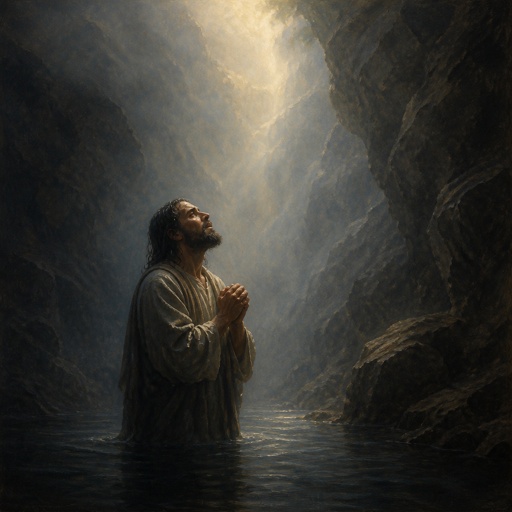
"Out of the depths have I cried unto thee, O LORD." - Psalms 130:1
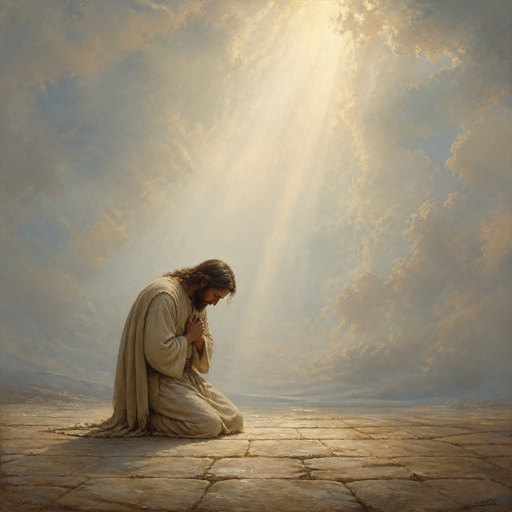
"If thou, LORD, shouldest mark iniquities, O Lord, who shall stand?" - Psalms 130:3

Psalms 6:5 - "For in death there is no remembrance of thee: in the grave who shall give thee thanks?"
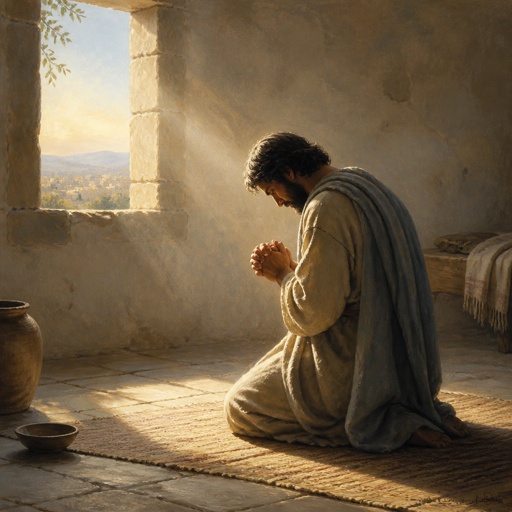
"Lord, hear my voice: let thine ears be attentive to the voice of my supplications." - Psalms 130:2

Psalms 5:6 - "Thou shalt destroy them that speak leasing: the LORD will abhor the bloody and deceitful man."

Psalms 126:6

"Sing unto the LORD with the harp; with the harp, and the voice of a psalm." - Psalms 98:5

Psalms 98:5 - "Sing unto the LORD with the harp; with the harp, and the voice of a psalm."

Psalms 98:5 - "Sing unto the LORD with the harp; with the harp, and the voice of a psalm."