What does Psalms 130:5-6 mean?
“I wait for the LORD, my soul doth wait, and in his word do I hope. My soul waiteth for the Lord more than they that watch for the morning: I say, more than they that watch for the morning.” — Psalms 130:5-6
“I wait for the LORD, my soul doth wait, and in his word do I hope. My soul waiteth for the LORD more than they that watch for the morning: I say, more than they that watch for the morning.” In Psalms 130:5–6, the speaker is not merely passing time until trouble ends; he is taking the posture of a sinner in need of mercy who has turned from himself to God. The whole psalm moves upward: it begins “out of the depths” with a cry for help, it acknowledges that no one could stand if the LORD marked iniquities, it confesses that forgiveness is found with God, and then it settles into this steady, deliberate waiting. These two verses are the center of that movement—where repentance becomes expectation, and fear becomes hope rooted in what God has spoken.
The meaning of “I wait for the LORD” is covenantal and personal. The psalmist is not waiting for circumstances, for inner strength, or for a vague optimism; he is waiting “for the LORD.” The repetition, “my soul doth wait” and again “my soul waiteth,” shows that this is more than outward patience. It is an inward discipline of desire, a conscious holding of the heart in God’s direction when everything in him could rush elsewhere. The “soul” in this context points to the whole inner life—mind, will, affections—brought under a single focus. The speaker has looked at sin and at God’s holiness earlier in the psalm, and that recognition produces humility; but it does not produce despair, because the waiting is joined to trust.
That trust is anchored in revelation: “and in his word do I hope.” The word “hope” here is not uncertainty; it is expectation grounded in the character of God as God has made himself known. The psalm has already declared, “there is forgiveness with thee,” and now the psalmist leans the full weight of his future upon what God has said. The “word” is significant because the problem the psalmist faces cannot be solved by human argument or self-justification. If “iniquities” are the issue, only God’s own declaration of mercy can quiet the conscience. So the hope in these verses is not self-generated comfort; it is confidence that the LORD will be the LORD—faith that what God speaks is reliable when feelings and circumstances are not.
The next line intensifies the picture through symbolism: “My soul waiteth for the LORD more than they that watch for the morning.” The image is of watchmen on the walls, stationed through the night. They are awake while others sleep, scanning darkness for danger, holding their post with the certainty that morning will come. The psalmist compares his longing for the LORD to that kind of alert, strained, enduring expectation, and then he repeats it—“I say, more than they that watch for the morning”—to press the comparison deeper. Night in Scripture often carries the sense of distress, danger, and limited sight; morning represents relief, safety, and clarity. The psalmist’s “depths” are like a long night, and the LORD’s coming with forgiveness and redemption is like daybreak. He is saying that his need for God is more urgent than a watchman’s need for dawn, and his anticipation is more intense than the watchman’s certainty that the night cannot last forever.
This is also a statement about time and God’s seeming delay. Watchmen cannot force the sunrise; they can only remain faithful until it comes. Likewise, the psalmist cannot manufacture assurance, erase guilt by effort, or compel God’s help on his schedule. Waiting “for the LORD” means submitting to God’s timing while refusing to let go of God’s promise. The repetition of “watch for the morning” captures both weariness and persistence: the night feels long, but the watcher’s whole body leans toward the first sign of light. In the same way, the repentant heart leans toward God’s mercy, attentive to God’s “word,” refusing to fall into either presumption or hopelessness.
The themes in these verses therefore include repentance that does not end in self-condemnation, faith that is grounded in what God has spoken, and longing that is stronger than fear. They also carry a quiet theology of forgiveness: because the psalm earlier insists that if God marked iniquities none could stand, the only way forward is for God to forgive. Waiting becomes the appropriate response to grace—steady, watchful dependence on God’s character. Psalms 130:5–6 teaches that when guilt and distress place a soul “in the depths,” the turning point is not found by looking inward, but by waiting for the LORD with the kind of yearning that looks for morning light, and by hoping in “his word” as the sure ground beneath that longing.
Get our apps


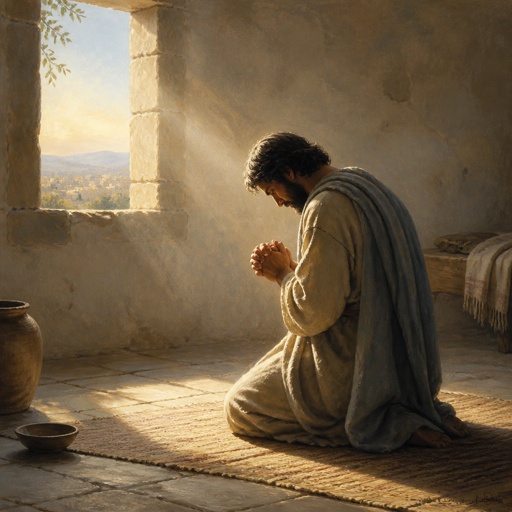
Artwork for Psalms 130:5-6
!["I wait for the LORD, my soul doth wait, and in his word do I hope.
My soul [waiteth] for the Lord more than they that watch for the morning: [I say, more than] they that watch for the morning." - Psalms 130:5-6](https://media.bible.art/76772fbb-8cd9-4d0e-9d2e-aedc6849d7b1-thumbnail.jpg)
"I wait for the LORD, my soul doth wait, and in his word do I hope. My soul [waiteth] for the Lord more than they that watch for the morning: [I say, more than] they that watch for the morning." - Psalms 130:5-6

Psalms 130:6 - "My soul waiteth for the Lord more than they that watch for the morning: I say, more than they that watch for the morning."

Psalms 130:5 - "I wait for the LORD, my soul doth wait, and in his word do I hope."
!["I wait for the LORD, my soul doth wait, and in his word do I hope.
My soul [waiteth] for the Lord more than they that watch for the morning: [I say, more than] they that watch for the morning." - Psalm 130:5-6](https://media.bible.art/b7fb09c9-fbf4-4f06-8674-abf8e7c80f8c-thumbnail.jpg)
"I wait for the LORD, my soul doth wait, and in his word do I hope. My soul [waiteth] for the Lord more than they that watch for the morning: [I say, more than] they that watch for the morning." - Psalm 130:5-6
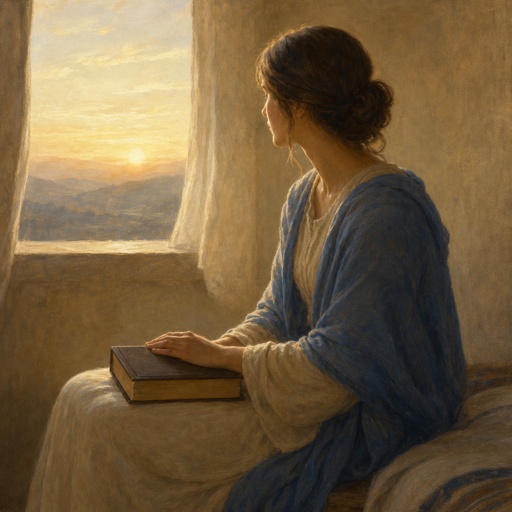
"I wait for the LORD, my soul doth wait, and in his word do I hope." - Psalms 130:5

Psalms 130:4 - "But there is forgiveness with thee, that thou mayest be feared."

"My soul waiteth for the Lord more than they that watch for the morning: I say, more than they that watch for the morning." - Psalms 130:6

"I wait for the LORD, my soul doth wait, and in his word do I hope." - Psalms 130:5

Psalm 130:5-7, patience, watchful waiting

Psalms 130:7 - "Let Israel hope in the LORD: for with the LORD there is mercy, and with him is plenteous redemption."

psalm 130

"The entrance of thy words giveth light; it giveth understanding unto the simple." - Psalms 119:130

"And he shall redeem Israel from all his iniquities." - Psalms 130:8

Psalms 130:2 - "Lord, hear my voice: let thine ears be attentive to the voice of my supplications."
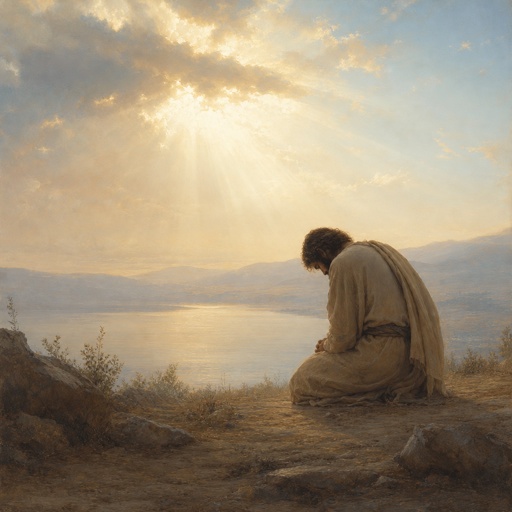
"But there is forgiveness with thee, that thou mayest be feared." - Psalms 130:4

Psalms 130:8 - "And he shall redeem Israel from all his iniquities."

"Let Israel hope in the LORD: for with the LORD there is mercy, and with him is plenteous redemption." - Psalms 130:7

Psalms 119:130 - "The entrance of thy words giveth light; it giveth understanding unto the simple."

Psalms 130:1 - "Out of the depths have I cried unto thee, O LORD."

Psalms 130:3 - "If thou, LORD, shouldest mark iniquities, O Lord, who shall stand?"

Psalms 98:5 - "Sing unto the LORD with the harp; with the harp, and the voice of a psalm."
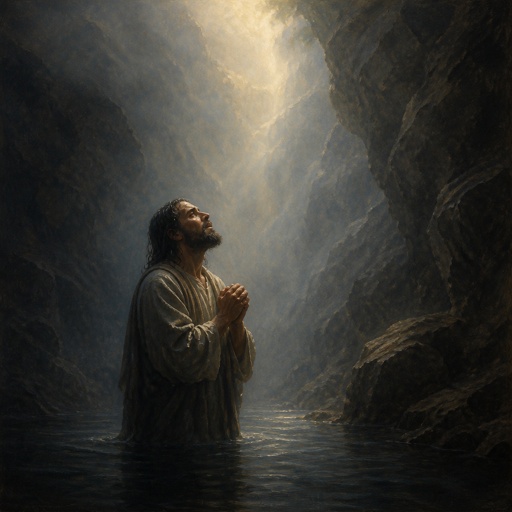
"Out of the depths have I cried unto thee, O LORD." - Psalms 130:1
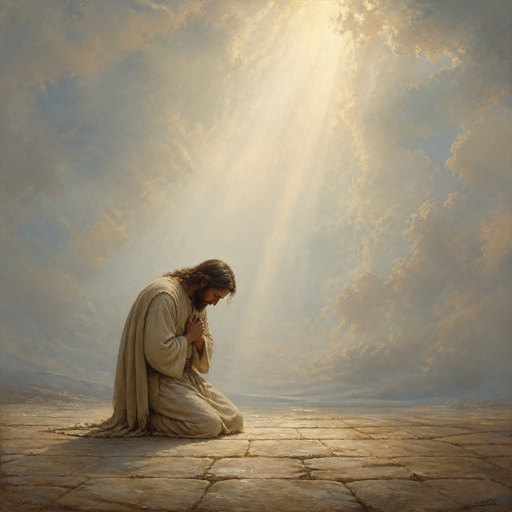
"If thou, LORD, shouldest mark iniquities, O Lord, who shall stand?" - Psalms 130:3

Psalms 6:5 - "For in death there is no remembrance of thee: in the grave who shall give thee thanks?"
"Lord, hear my voice: let thine ears be attentive to the voice of my supplications." - Psalms 130:2

Psalms 5:6 - "Thou shalt destroy them that speak leasing: the LORD will abhor the bloody and deceitful man."

Psalms 126:6

"Sing unto the LORD with the harp; with the harp, and the voice of a psalm." - Psalms 98:5

Psalms 98:5 - "Sing unto the LORD with the harp; with the harp, and the voice of a psalm."

Psalms 98:5 - "Sing unto the LORD with the harp; with the harp, and the voice of a psalm."