From the Miry Clay to a New Song
“I waited patiently for the LORD; and he inclined unto me, and heard my cry. He brought me up also out of an horrible pit, out of the miry clay, and set my feet upon a rock, [and] established my goings. And he hath put a new song in my mouth, [even] praise unto our God: many shall see [it], and fear, and shall trust in the LORD.” — Psalms 40:1-3!["I waited patiently for the LORD; and he inclined unto me, and heard my cry.
He brought me up also out of an horrible pit, out of the miry clay, and set my feet upon a rock, [and] established my goings.
And he hath put a new song in my mouth, [even] praise unto our God: many shall see [it], and fear, and shall trust in the LORD." - Psalms 40:1-3](https://media.bible.art/805fde9f-9741-495a-88a0-6538fc2b83d3-compressed.jpg)
“I waited patiently for the LORD; and he inclined unto me, and heard my cry.
He brought me up also out of an horrible pit, out of the miry clay, and set my feet upon a rock, [and] established my goings.
And he hath put a new song in my mouth, [even] praise unto our God: many shall see [it], and fear, and shall trust in the LORD.” (Psalm 40:1–3, KJV)
Psalm 40 begins where many real prayers begin: not with polished words, but with a cry. David says, “I waited patiently for the LORD.” Waiting is one of the hardest forms of faith because it feels like doing nothing, yet it requires the heart to keep leaning toward God when circumstances do not change. The phrase “waited patiently” is not passive resignation; it is an active choice to remain turned toward the Lord rather than turning to despair, self-reliance, or bitterness. Waiting becomes worship when it says, “Lord, I will not stop looking to You, even here.”
Then comes a breathtaking picture of God’s nearness: “and he inclined unto me, and heard my cry.” The Lord is not distant, annoyed, or too busy to listen. He “inclined”—He stoops, bends down, and gives attention. When your prayers feel weak or repetitive, this verse reminds you that the power of prayer is not in the strength of your voice but in the mercy of the One who hears. God’s posture toward His children is listening. Even when you can only say, “Help,” heaven is not confused about what you mean.
David continues: “He brought me up also out of an horrible pit, out of the miry clay.” A pit is not merely a low place; it is a place you cannot climb out of on your own. “Miry clay” adds another layer: the more you struggle, the more stuck you become. Many of us know these spiritual and emotional landscapes. Sin can feel like miry clay—promising relief, then trapping the soul. Grief can feel like a pit—dark, echoing, and isolating. Anxiety can feel like mud—every step heavy, every movement exhausting. Yet David’s testimony is clear: the Lord does not only speak comfort into the pit; He brings the person out of it.
And notice what God does next: “and set my feet upon a rock, [and] established my goings.” God’s deliverance is not temporary rescue followed by uncertainty. He replaces sinking ground with stable footing. A rock is firm, trustworthy, and immovable. When God sets your feet upon a rock, He is not merely improving your circumstances—He is giving you a new foundation. He also “established my goings,” meaning He makes the path steady, directs the steps, and strengthens the walk ahead. The Lord is not only the God who lifts; He is the God who leads.
The result of this rescue is worship: “And he hath put a new song in my mouth, [even] praise unto our God.” The new song is not forced optimism. It is the sound of a heart that remembers where it was, recognizes Who delivered it, and responds with gratitude. Sometimes the “new song” comes after deliverance; other times it rises in the middle of the process as faith begins to see God’s character more clearly than the crisis. Either way, the song is “praise unto our God”—not praise to our strength, our plan, or our timing, but to Him.
Finally, David shows that personal deliverance becomes public witness: “many shall see [it], and fear, and shall trust in the LORD.” God’s work in your life is never meant to end with you. The Lord turns testimonies into signposts. When others see God lift someone from the pit and set them on a rock, it awakens holy reverence—“fear”—and it invites faith—“shall trust in the LORD.” Your patience in waiting, your honesty in crying out, your steadiness on the rock, and your willingness to praise become a sermon without a pulpit.
Today, bring your true condition to the Lord. If you are waiting, keep waiting “for the LORD.” If you are crying, keep crying to the One who “heard my cry.” If you feel stuck in miry clay, ask the Lord to do what only He can do: bring you up, set you upon the rock, and establish your steps. And when He does—when even a small rescue breaks through—do not silence the song. Praise may be the very thing God uses to help “many” see and learn to “trust in the LORD.”
Get our apps


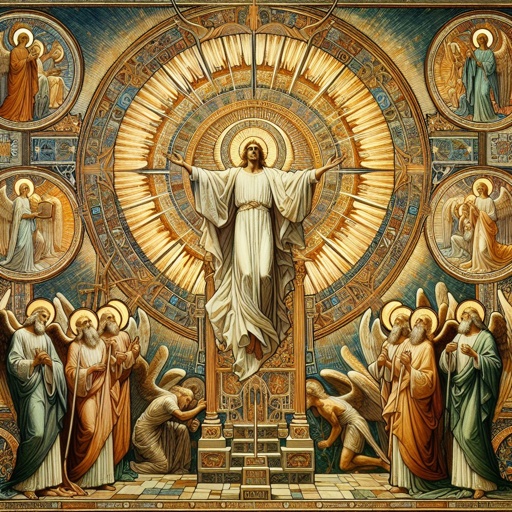
Artwork for Psalms 40:1-3
!["I waited patiently for the LORD; and he inclined unto me, and heard my cry.
He brought me up also out of an horrible pit, out of the miry clay, and set my feet upon a rock, [and] established my goings.
And he hath put a new song in my mouth, [even] praise unto our God: many shall see [it], and fear, and shall trust in the LORD." - Psalms 40:1-3](https://media.bible.art/52833b43-e49c-420f-9f83-7654e7ac7044-thumbnail.jpg)
"I waited patiently for the LORD; and he inclined unto me, and heard my cry. He brought me up also out of an horrible pit, out of the miry clay, and set my feet upon a rock, [and] established my goings. And he hath put a new song in my mouth, [even] praise unto our God: many shall see [it], and fear, and shall trust in the LORD." - Psalms 40:1-3

Psalms 40: 1:-11

Psalms 40:1 - "I waited patiently for the LORD; and he inclined unto me, and heard my cry."

"I waited patiently for the LORD; and he inclined unto me, and heard my cry." - Psalms 40:1

"I waited patiently for the LORD; and he inclined unto me, and heard my cry." - Psalms 40:1

Psalms 40:3 - "And he hath put a new song in my mouth, even praise unto our God: many shall see it, and fear, and shall trust in the LORD."

Psalms 147:3

"And he hath put a new song in my mouth, even praise unto our God: many shall see it, and fear, and shall trust in the LORD." - Psalms 40:3

Psalms 3 verse 5

"The people asked, and he brought quails, and satisfied them with the bread of heaven." - Psalms 105:40

"Then said I, Lo, I come: in the volume of the book it is written of me," - Psalms 40:7

Psalms 36 verse 3-6
Psalms 111:3 - "His work is honourable and glorious: and his righteousness endureth for ever."

Psalms 40:7 - "Then said I, Lo, I come: in the volume of the book it is written of me,"

Psalms 105:40 - "The people asked, and he brought quails, and satisfied them with the bread of heaven."

Psalms 78:40 - "How oft did they provoke him in the wilderness, and grieve him in the desert!"

"LORD, how are they increased that trouble me! many are they that rise up against me." - Psalms 3:1

Psalms 40:15 - "Let them be desolate for a reward of their shame that say unto me, Aha, aha."

Psalms 40:13 - "Be pleased, O LORD, to deliver me: O LORD, make haste to help me."

Psalms 119:40 - "Behold, I have longed after thy precepts: quicken me in thy righteousness."

Psalms 107:40 - "He poureth contempt upon princes, and causeth them to wander in the wilderness, where there is no way."

Psalms 40:4 - "Blessed is that man that maketh the LORD his trust, and respecteth not the proud, nor such as turn aside to lies."

"Thou hast broken down all his hedges; thou hast brought his strong holds to ruin." - Psalms 89:40

Psalms 88:3 - "For my soul is full of troubles: and my life draweth nigh unto the grave."

Psalms 103:3 - "Who forgiveth all thine iniquities; who healeth all thy diseases;"

Psalms 106:40 - "Therefore was the wrath of the LORD kindled against his people, insomuch that he abhorred his own inheritance."

Psalms 40:8 - "I delight to do thy will, O my God: yea, thy law is within my heart."

Psalms 3:1 - "LORD, how are they increased that trouble me! many are they that rise up against me."

Psalms 87:3 - "Glorious things are spoken of thee, O city of God. Selah."

"I delight to do thy will, O my God: yea, thy law is within my heart." - Psalms 40:8