Mindful Under the Moon: Wonder, Humility, and the God Who Visits
“When I consider thy heavens, the work of thy fingers, the moon and the stars, which thou hast ordained; What is man, that thou art mindful of him? and the son of man, that thou visitest him?” — Psalms 8:3-4
“When I consider thy heavens, the work of thy fingers, the moon and the stars, which thou hast ordained; What is man, that thou art mindful of him? and the son of man, that thou visitest him?” (Psalm 8:3–4, KJV)
There are moments when the soul grows quiet—not because life is finally easy, but because something larger than life arrests our attention. David describes such a moment: he looks upward and begins to “consider.” He is not merely glancing at the sky; he is weighing it, pondering it, letting creation preach. “When I consider thy heavens,” he says, he is drawn to the Maker behind what is made. The heavens are not random to him. They are “thy heavens,” belonging to God, declaring ownership and intention. And they are “the work of thy fingers,” a phrase that communicates both power and delicacy. The same God who governs nations and numbers our days also shapes the universe with the ease and care of an artist.
David narrows his gaze to what many of us can see without a telescope: “the moon and the stars, which thou hast ordained.” The word “ordained” is rich with meaning. It suggests appointment, arrangement, purpose. The lights of the night sky are not simply present; they are placed. God did not only create; He set in order. The moon keeps its faithful watch, the stars keep their courses, and the vastness overhead speaks of a God who is neither hurried nor uncertain. Creation is not a chaotic accident but a testimony of divine will.
And then comes the question that often rises in any honest heart: “What is man, that thou art mindful of him?” The question is not self-hatred; it is humility. Compared to the sweeping grandeur of the heavens, we feel small. Our lives can seem brief, our strength limited, our wisdom partial. We are easily wounded, easily distracted, easily shaken by anxieties that feel enormous to us but are tiny beneath the stars. David’s question is the shock of realizing scale: if God’s “fingers” can craft galaxies, why would He give thought to us?
Yet David does not stop at God’s awareness. He goes further: “and the son of man, that thou visitest him?” God is not only mindful; God is near. The difference between being noticed and being visited is profound. To be “mindful” suggests remembrance and attention. To be “visited” suggests presence, approach, personal involvement. David is astonished not only that God thinks of us, but that God comes to us.
This is where Psalm 8 challenges the despair that whispers, “You do not matter.” The night sky can make us feel insignificant—but Scripture uses that same sky to remind us we are not forgotten. God’s greatness does not cancel His gentleness; it guarantees it. The One who “ordained” the moon and stars is not too busy to hear a prayer spoken through tears. He is not too distant to strengthen a weary heart. He is not too vast to guide a single step.
Many burdens feel heavy because we carry them as though we are alone in the universe. But Psalm 8 invites us to lift our eyes and then, surprisingly, to lift our hearts. The heavens declare God’s majesty, and that majesty becomes comfort when we realize this majestic God is “mindful” of us. Your life is not an afterthought. Your needs are not an interruption. Your repentance is not ignored. Your suffering is not unseen.
So let this passage reshape your prayers. When you feel small, let humility draw you closer rather than push you away. Pray with wonder: Lord, I cannot measure the heavens, yet Thou art mindful of me. When you feel forgotten, pray with confidence: Lord, Thou dost visit; come near to me again. And when you stand beneath the moon and stars, let them be a sanctuary ceiling—a reminder that God is both high above and graciously present.
The God whose fingers formed the heavens is the same God who stoops to visit the human heart. That is not merely poetry; it is the steady foundation of faith.
Get our apps


Artwork for Psalms 8:3-4

"When I consider thy heavens, the work of thy fingers, the moon and the stars, which thou hast ordained; What is man, that thou art mindful of him? and the son of man, that thou visitest him?" - Psalms 8:3-4

Psalms 8:3 - "When I consider thy heavens, the work of thy fingers, the moon and the stars, which thou hast ordained;"
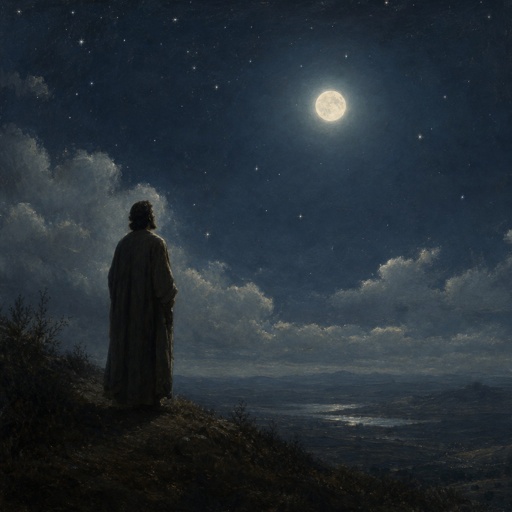
"When I consider thy heavens, the work of thy fingers, the moon and the stars, which thou hast ordained;" - Psalms 8:3
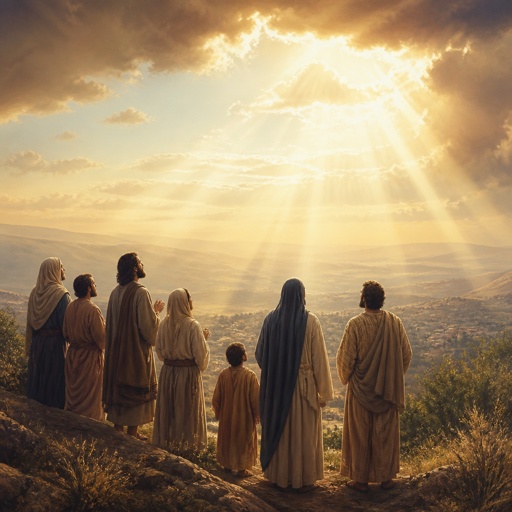
"Salvation belongeth unto the LORD: thy blessing is upon thy people. Selah." - Psalms 3:8
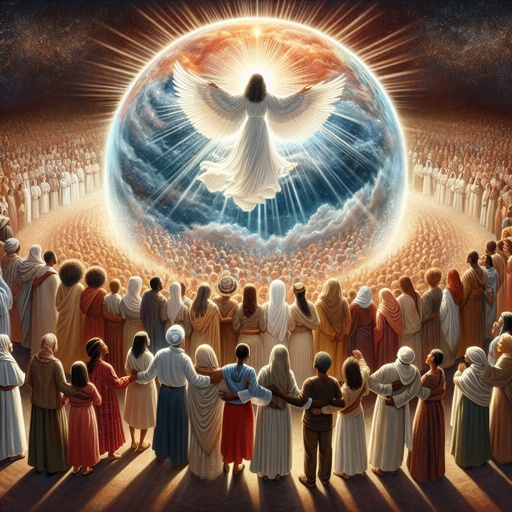
Psalms 3:8 - "Salvation belongeth unto the LORD: thy blessing is upon thy people. Selah."

Psalms 4:8 - "I will both lay me down in peace, and sleep: for thou, LORD, only makest me dwell in safety."

"What is man, that thou art mindful of him? and the son of man, that thou visitest him?" - Psalms 8:4

Psalms 8:4 - "What is man, that thou art mindful of him? and the son of man, that thou visitest him?"

Psalm 8:3-4 - "When I consider your heavens, the work of your fingers, the moon and the stars, which you have set in place, what is mankind that you are mindful of them, human beings that you care for them?"
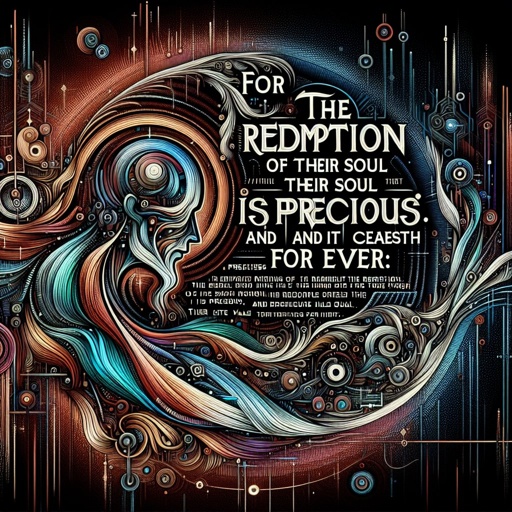
Psalms 49:8 - "(For the redemption of their soul is precious, and it ceaseth for ever:)"

Psalms 4:8 - "I will both lay me down in peace, and sleep: for thou, LORD, only makest me dwell in safety."

"All sheep and oxen, yea, and the beasts of the field;" - Psalms 8:7
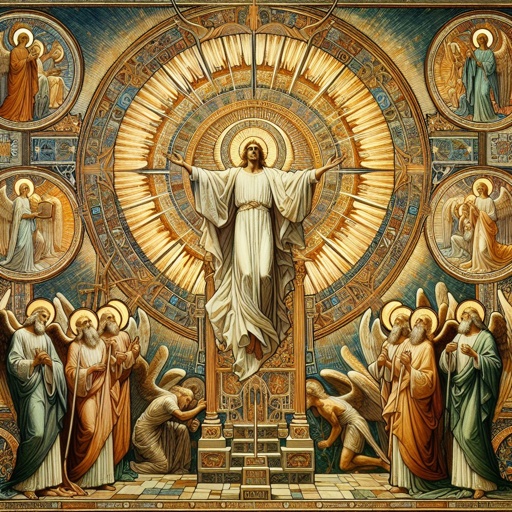
Psalms 111:3 - "His work is honourable and glorious: and his righteousness endureth for ever."

Psalm 8:3
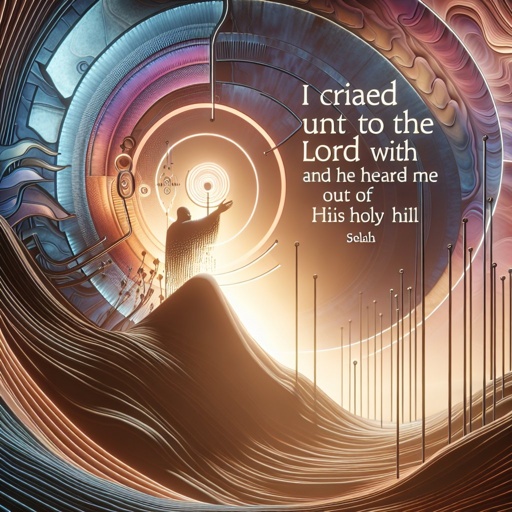
Psalms 3:4 - "I cried unto the LORD with my voice, and he heard me out of his holy hill. Selah."

Psalms 4:3 - "But know that the LORD hath set apart him that is godly for himself: the LORD will hear when I call unto him."

Psalm 8:3

Psalm 8:3-6

Psalms 88:3 - "For my soul is full of troubles: and my life draweth nigh unto the grave."

Psalms 103:3 - "Who forgiveth all thine iniquities; who healeth all thy diseases;"

Psalms 87:3 - "Glorious things are spoken of thee, O city of God. Selah."

Psalms 114:4 - "The mountains skipped like rams, and the little hills like lambs."

"O LORD our Lord, how excellent is thy name in all the earth!" - Psalms 8:9

Psalm 8:3-6

Psalms 139:3-4 KJV (3) Thou compassest my path and my lying down, and art acquainted with all my ways. (4) For there is not a word in my tongue, but, lo, O LORD, thou knowest it altogether.
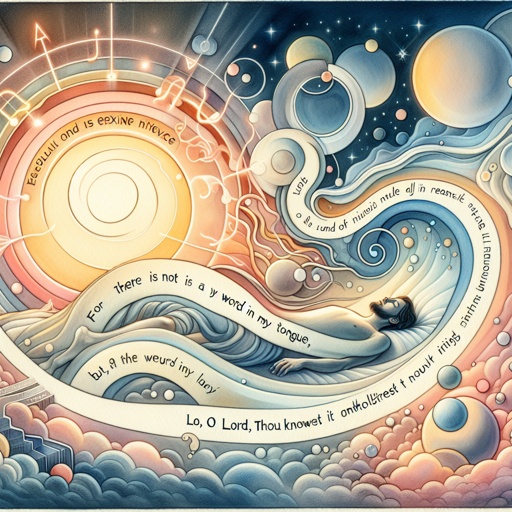
Psalms 139:3-4 KJV (3) Thou compassest my path and my lying down, and art acquainted with all my ways. (4) For there is not a word in my tongue, but, lo, O LORD, thou knowest it altogether.

"For this was a statute for Israel, and a law of the God of Jacob." - Psalms 81:4

"For there are no bands in their death: but their strength is firm." - Psalms 73:4

"To bind their kings with chains, and their nobles with fetters of iron;" - Psalms 149:8

Psalms 139:3-4 KJV (3) Thou compassest my path and my lying down, and art acquainted with all my ways. (4) For there is not a word in my tongue, but, lo, O LORD, thou knowest it altogether.