What does 1 Corinthians 1:13 mean?
“Is Christ divided? was Paul crucified for you? or were ye baptized in the name of Paul?” — 1 Corinthians 1:13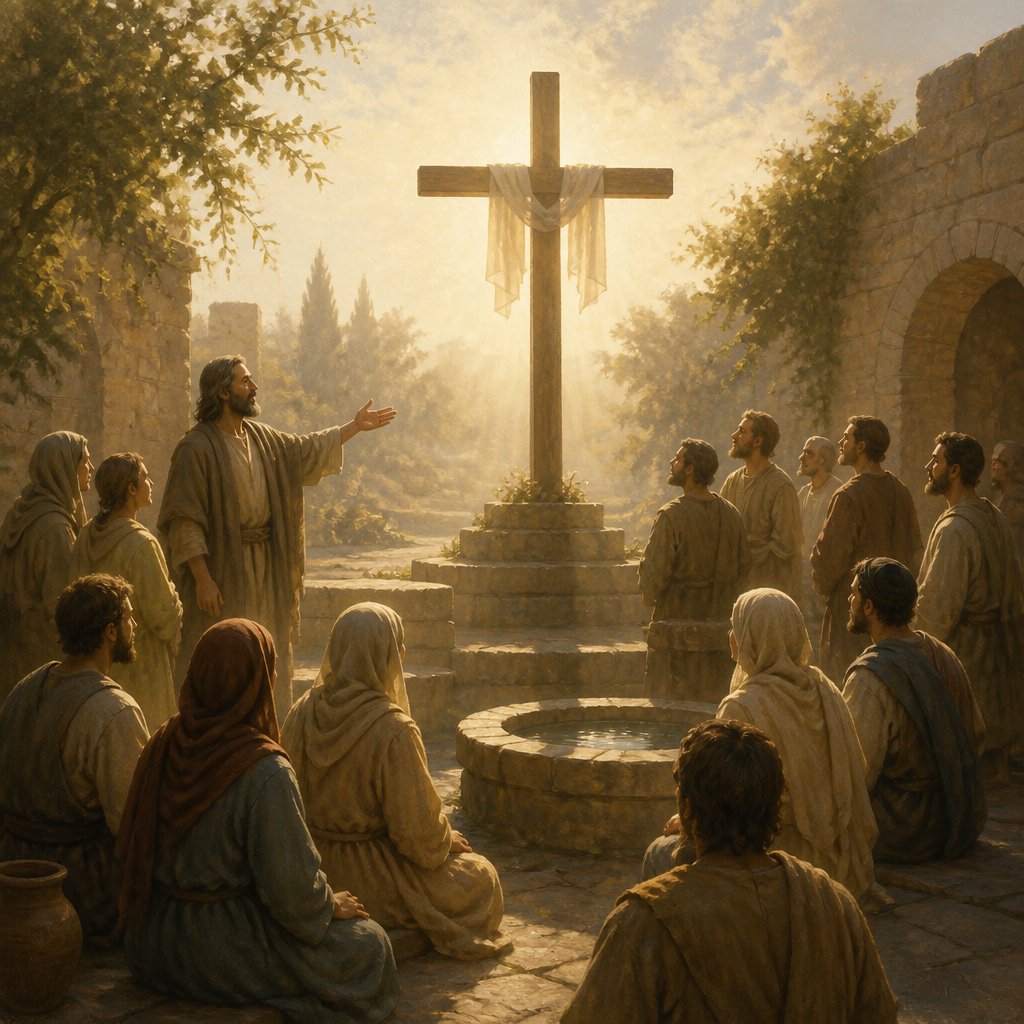
1 Corinthians 1:13 King James Version (KJV)
"Is Christ divided? was Paul crucified for you? or were ye baptized in the name of Paul?"
This verse is part of the first letter to the Corinthians, written by the apostle Paul. The letter addresses various issues within the Corinthian church, including divisions among the believers. In this particular verse, Paul is addressing the problem of factions within the church and the tendency of some believers to align themselves with particular leaders, rather than being united in Christ.
The verse begins with the rhetorical question, "Is Christ divided?" This question draws attention to the disunity within the Corinthian church and challenges the believers to consider the implications of their divisions. The question suggests that Christ cannot be divided, and therefore, the church should strive for unity and oneness in Him. This theme of unity in Christ is central to the letter as a whole, as Paul emphasizes the importance of the believers coming together as one body, despite their differences.
The second part of the verse asks, "was Paul crucified for you?" This question serves to remind the Corinthians that their allegiance should ultimately be to Christ, who was crucified for their sins, rather than to any human leader, including Paul himself. By posing this question, Paul is emphasizing the centrality of Christ and the need for the believers to focus on Him above all else.
Lastly, the verse concludes with the question, "or were ye baptized in the name of Paul?" This question stresses the significance of the believers' baptism in the name of Christ, rather than in the name of any human leader. Baptism is a symbol of the believers' identification with Christ and their commitment to Him, and Paul is reminding the Corinthians that their loyalty should be to Christ above all else.
Overall, this verse conveys several important themes that are relevant not only to the Corinthian church but also to believers today. The themes of unity in Christ, allegiance to Christ above human leaders, and the significance of baptism in the name of Christ are all central to the Christian faith and are timeless truths that continue to have relevance and significance for believers today.
In terms of context, it is important to understand the situation in the Corinthian church at the time of Paul's writing. The church was experiencing division and strife, with some believers aligning themselves with particular leaders, such as Paul, Apollos, or Cephas. This led to a lack of unity and a focus on human leaders rather than on Christ. In light of this, Paul's letter seeks to address these issues and to refocus the believers on the core of the Christian faith, which is centered on Christ and His gospel.
Symbolism plays a significant role in this verse as well. The image of Christ being divided serves as a powerful symbol of the disunity within the Corinthian church. It conveys the idea that Christ cannot be separated or divided, and therefore, the church should strive for unity and oneness in Him. The reference to Christ's crucifixion symbolizes His sacrificial death for the believers' sins and emphasizes the centrality of Christ in the Christian faith. Additionally, the symbolism of baptism in the name of Christ represents the believers' identification with Him and their commitment to following Him above all else.
In conclusion, 1 Corinthians 1:13 is a verse that addresses the issue of division and disunity within the Corinthian church, emphasizing the importance of unity in Christ, allegiance to Him above human leaders, and the significance of baptism in His name. These themes and the symbolism within the verse continue to hold relevance for believers today, serving as a powerful reminder of the central focus of the Christian faith and the need for unity in the body of Christ.
Get our apps


Artwork for 1 Corinthians 1:13

1 Corinthians 1:13 - "Is Christ divided? was Paul crucified for you? or were ye baptized in the name of Paul?"
"Is Christ divided? was Paul crucified for you? or were ye baptized in the name of Paul?" - 1 Corinthians 1:13
![1 Corinthians 13:13
1 Corinthians 13:13
[13] So now faith, hope, and love abide, these three; but the greatest of these is love. (ESV)](https://media.bible.art/3da57222-9f49-4158-a2a3-7a49b5dc4437-thumbnail.jpg)
1 Corinthians 13:13 1 Corinthians 13:13 [13] So now faith, hope, and love abide, these three; but the greatest of these is love. (ESV)

1 Corinthians 13:13

1 Corinthians 13 :13

1 Corinthians 13:4-6

1 Corinthians 13:4-6

1 Corinthians 13:4-6

1 Corinthians 13:4-6

1 Corinthians 13:4-6

1 Corinthians 13:4-6

1 Corinthians 13:4-6

1 Corinthians 13:4-6

1 Corinthians 13

1 Corinthians 1:3 - "Grace be unto you, and peace, from God our Father, and from the Lord Jesus Christ."

1 Corinthians 10:13

1 Corinthians 10:13

1 Corinthians 10:13

1 Corinthians 13:13 - "And now abideth faith, hope, charity, these three; but the greatest of these is charity."

1 Corinthians 15:13 - "But if there be no resurrection of the dead, then is Christ not risen:"

1 Corinthians 13:6 - "Rejoiceth not in iniquity, but rejoiceth in the truth;"

1 Corinthians 12:12-13

1 Corinthians 13:4-7

1 Corinthians 12:3-13

1 Corinthians 13:4-7

1 Corinthians 13:4-7

1 Corinthians 13:4-7

1 Corinthians 13:9 - "For we know in part, and we prophesy in part."

1 Corinthians 13:1 - "Though I speak with the tongues of men and of angels, and have not charity, I am become as sounding brass, or a tinkling cymbal."

1 Corinthians 11:13 - "Judge in yourselves: is it comely that a woman pray unto God uncovered?"