What does 1 Kings 16:16 mean?
“And the people that were encamped heard say, Zimri hath conspired, and hath also slain the king: wherefore all Israel made Omri, the captain of the host, king over Israel that day in the camp.” — 1 Kings 16:16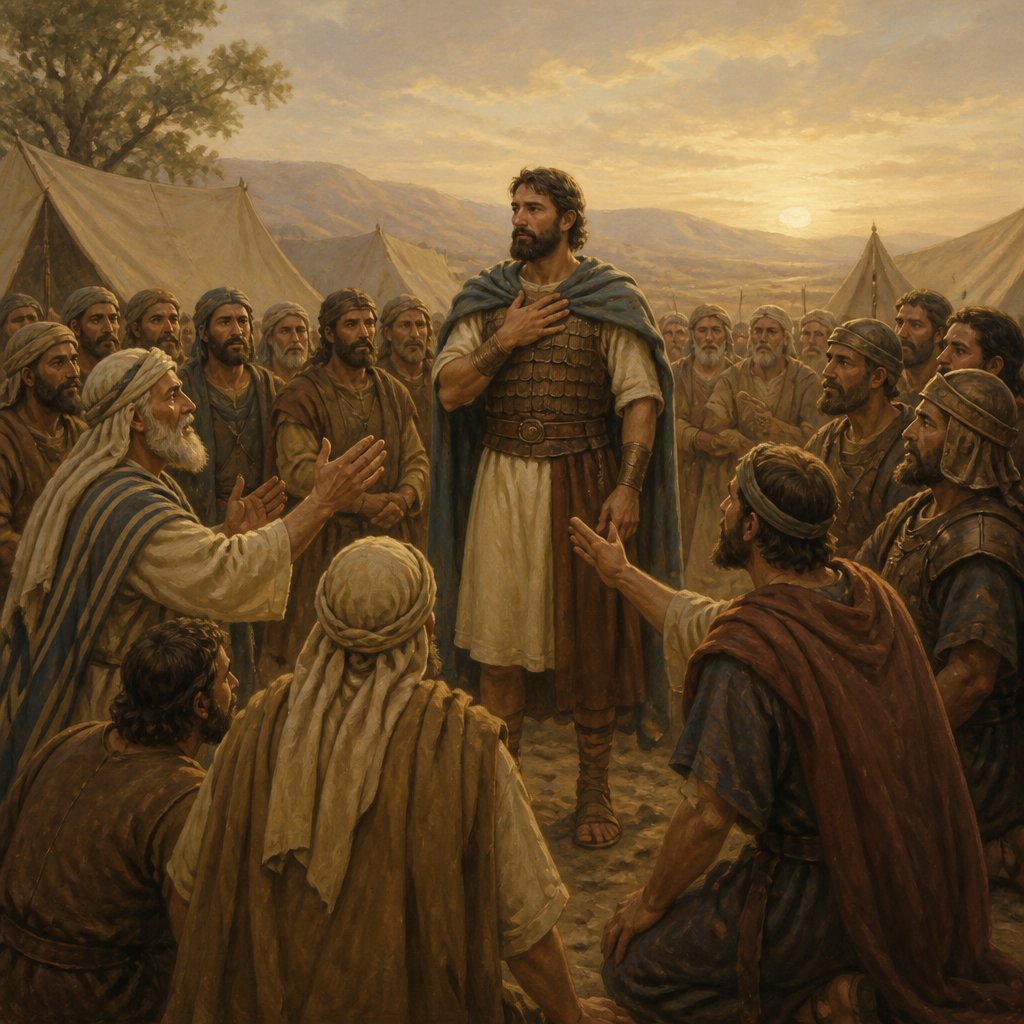
1 Kings 16:16 (KJV) - "And the people that were encamped heard say, Zimri hath conspired, and hath also slain the king: wherefore all Israel made Omri, the captain of the host, king over Israel that day in the camp."
This verse comes from the Old Testament of the Bible, specifically in 1 Kings, which documents the history of the kings of Israel. The book of 1 Kings covers a period of tremendous political turmoil and social unrest in ancient Israel, and this verse is no exception. It is part of the account of the reigns of several kings, and it specifically focuses on the rise and fall of King Zimri and the subsequent ascension of King Omri. In order to fully understand the context and significance of this verse, it is important to delve into the historical background, the themes present in the passage, and the symbolism contained within it.
The historical context of this verse is rooted in the political chaos that plagued Israel during this period. King Baasha had ruled over Israel, but his reign was marred by disobedience to God and conflict with other nations. This led to a coup against him, and Zimri, a commander in Baasha's army, seized the throne. However, Zimri's rule was short-lived, as he faced opposition from the people. The verse captures the tense atmosphere in the camp, as rumors of Zimri's conspiracy and regicide spread, leading to the people's decision to crown Omri as the new king. This political turmoil and the struggle for power among the rulers of Israel is a central theme in this passage.
One prominent theme in this verse is the consequences of rebellion and disobedience. Throughout the book of 1 Kings, there is a recurring pattern of kings who turn away from God and lead Israel into idolatry and moral decay. Zimri's conspiracy and the murder of the king are a direct result of this disobedience, and it ultimately leads to his downfall. The rise of Omri as king is a consequence of the people's desire for stable and righteous leadership, highlighting the theme of divine judgment and the restoration of order.
Another important theme in this verse is the divine appointment of leaders. Despite the political maneuvering and power struggles among humans, the ultimate authority to appoint and remove kings lies with God. The people of Israel made Omri king, but ultimately it was God who allowed for this transition of power to take place. This theme underscores the belief in divine sovereignty and the notion that God is ultimately in control of the affairs of nations and their rulers.
The symbolism in this verse is also significant. Zimri represents the futility of human ambition and power, as his short-lived reign is a stark reminder of the transience of earthly authority. In contrast, Omri symbolizes the hope for stability and righteous leadership, as the people looked to him to bring order and peace to the nation. This symbolism reflects the human longing for a just and righteous ruler, and ultimately points to the need for a true and eternal king - Jesus Christ.
In conclusion, 1 Kings 16:16 is a pivotal verse in the historical narrative of the kings of Israel, capturing the political upheaval and power struggles that characterized this period. It also delves into important themes such as divine judgment, the consequences of disobedience, and the symbolism of earthly rulers in light of the ultimate kingship of God. Understanding the context, themes, and symbolism of this verse provides valuable insights into the underlying message of God's sovereignty and the human longing for righteous leadership.
Get our apps


Artwork for 1 Kings 16:16

1 Kings 16:16 - "And the people that were encamped heard say, Zimri hath conspired, and hath also slain the king: wherefore all Israel made Omri, the captain of the host, king over Israel that day in the camp."
"And the people that were encamped heard say, Zimri hath conspired, and hath also slain the king: wherefore all Israel made Omri, the captain of the host, king over Israel that day in the camp." - 1 Kings 16:16

1 Kings 4:16 - "Baanah the son of Hushai was in Asher and in Aloth:"

1 Timothy 6:15-16 – "God, the blessed and only Ruler, the King of kings and Lord of lords."

1 Timothy 6:15-16 – "God, the blessed and only Ruler, the King of kings and Lord of lords."
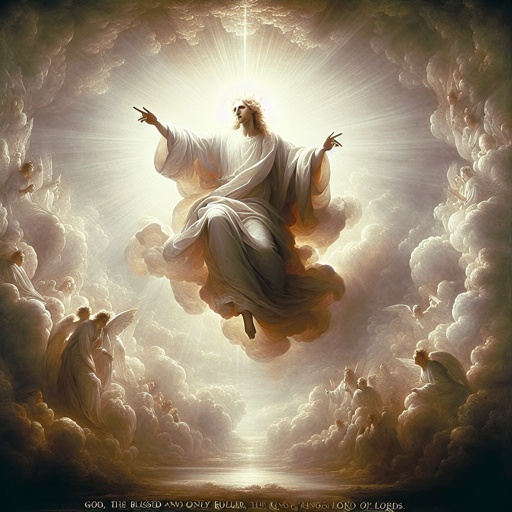
1 Timothy 6:15-16 – "God, the blessed and only Ruler, the King of kings and Lord of lords."

1 Kings 16:1 - "Then the word of the LORD came to Jehu the son of Hanani against Baasha, saying,"

1 Kings 1:16 - "And Bath-sheba bowed, and did obeisance unto the king. And the king said, What wouldest thou?"

1 Kings 16:14 - "Now the rest of the acts of Elah, and all that he did, are they not written in the book of the chronicles of the kings of Israel?"

1 Timothy 6:15-16 – "God, the blessed and only Ruler, the King of kings and Lord of lords."

1 Kings 15:16 - "¶ And there was war between Asa and Baasha king of Israel all their days."

1 Timothy 6:15-16 – "God, the blessed and only Ruler, the King of kings and Lord of lords."

1 Kings 20:16 - "And they went out at noon. But Ben-hadad was drinking himself drunk in the pavilions, he and the kings, the thirty and two kings that helped him."

1 Kings 16:5 - "Now the rest of the acts of Baasha, and what he did, and his might, are they not written in the book of the chronicles of the kings of Israel?"

1 Kings 16:20 - "Now the rest of the acts of Zimri, and his treason that he wrought, are they not written in the book of the chronicles of the kings of Israel?"

1 Kings 3:16 - "¶ Then came there two women, that were harlots, unto the king, and stood before him."

2 Kings 16:1 - "In the seventeenth year of Pekah the son of Remaliah Ahaz the son of Jotham king of Judah began to reign."

1 Kings 16:27 - "Now the rest of the acts of Omri which he did, and his might that he shewed, are they not written in the book of the chronicles of the kings of Israel?"

2 Kings 16:16 - "Thus did Urijah the priest, according to all that king Ahaz commanded."

1 Kings 16:17 - "And Omri went up from Gibbethon, and all Israel with him, and they besieged Tirzah."

1 Chronicles 16:21 - "He suffered no man to do them wrong: yea, he reproved kings for their sakes,"

1 Kings 16:33 - "And Ahab made a grove; and Ahab did more to provoke the LORD God of Israel to anger than all the kings of Israel that were before him."

1 Kings 18:16 - "So Obadiah went to meet Ahab, and told him: and Ahab went to meet Elijah."

1 Kings 16:30 - "And Ahab the son of Omri did evil in the sight of the LORD above all that were before him."

1 Kings 16:25 - "¶ But Omri wrought evil in the eyes of the LORD, and did worse than all that were before him."

Kings 3:16

Kings 3:16

"Baanah the son of Hushai was in Asher and in Aloth:" - 1 Kings 4:16

1 Kings 16:32 - "And he reared up an altar for Baal in the house of Baal, which he had built in Samaria."

1 Kings 10:16 - "¶ And king Solomon made two hundred targets of beaten gold: six hundred shekels of gold went to one target."