What does 1 Samuel 14:31 mean?
“And they smote the Philistines that day from Michmash to Aijalon: and the people were very faint.” — 1 Samuel 14:31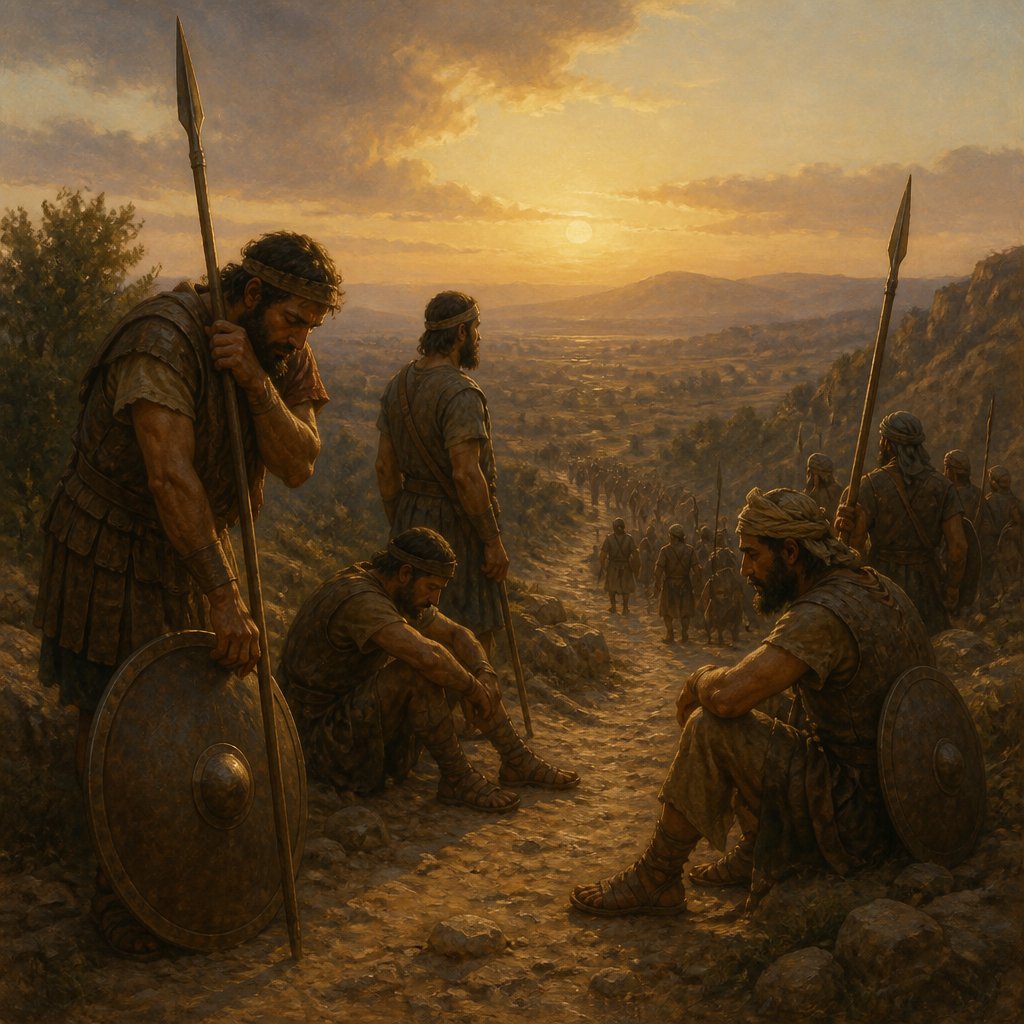
1 Samuel 14:31 (KJV) - "And they smote the Philistines that day from Michmash to Aijalon: and the people were very faint."
This verse comes from the first book of Samuel in the Old Testament, which chronicles the transition of leadership from judges to kings in Israel. Here, the Israelites had just won a great victory against the Philistines, but it came at a cost. The people were very faint, indicating that they were worn out and exhausted from the battle.
The context of this verse is a battle between the Israelites, led by Saul and his son Jonathan, and the Philistines. Jonathan had bravely attacked a Philistine outpost, and God had granted the Israelites a great victory by causing confusion and disarray among the Philistine army. The Israelites capitalized on this opportunity and pursued the Philistines as they fled. However, the pursuit took a toll on the people, and they were left physically and emotionally drained.
One of the key themes in this verse is the cost of victory. The Israelites had achieved a significant triumph over their enemies, but it came with a heavy price. This serves as a reminder that success often requires sacrifice and perseverance. The exhaustion of the Israelites also highlights the physical demands of warfare and the toll it takes on individuals and communities.
Additionally, this verse underscores the human experience of fatigue and weariness. The Israelites were not simply spiritual beings engaged in a spiritual battle; they were also physical beings with physical limitations. This emphasizes the humanity of the biblical characters and their relatability to modern readers. It also serves as a reminder to take care of our physical well-being, especially in the midst of spiritual or emotional battles.
Symbolically, the geography mentioned in the verse is significant. Michmash was a town located in the hill country of Benjamin, while Aijalon was a valley in the territory of Dan. The fact that the battle extended from the hills to the valleys suggests a comprehensive victory that covered both high and low places. This symbolism could represent the completeness of God's deliverance and his ability to reach every aspect of our lives.
This verse also conveys the idea of endurance and perseverance. Despite their fatigue, the Israelites did not give up in the midst of the battle. This serves as a reminder to continue pressing forward, even when we feel weary or exhausted. It speaks to the importance of resilience and determination in the face of adversity.
Furthermore, this verse demonstrates the physical reality of warfare. It portrays the toll that battle takes on individuals and emphasizes the need for rest and recovery. This can be applied to our spiritual battles as well, as it is important to recognize when we need to rest and recharge in order to continue fighting the good fight of faith.
In conclusion, 1 Samuel 14:31 offers valuable insights into the human experience of victory, exhaustion, and perseverance. It reminds us of the sacrifices often required for success, the physical demands of warfare, and the importance of resilience and endurance. Through its themes, context, and symbolism, this verse provides both a historical account of a battle and timeless lessons for spiritual warfare and the challenges we face in our own lives.
Get our apps


Artwork for 1 Samuel 14:31

1 Samuel 14:31 - "And they smote the Philistines that day from Michmash to Aijalon: and the people were very faint."
"And they smote the Philistines that day from Michmash to Aijalon: and the people were very faint." - 1 Samuel 14:31
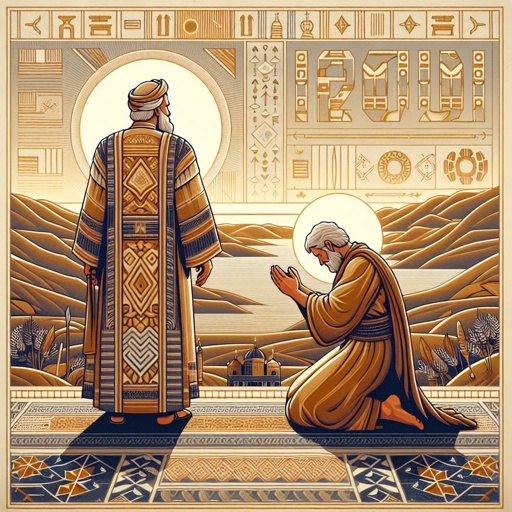
1 Samuel 15:31 - "So Samuel turned again after Saul; and Saul worshipped the LORD."

Mateo 14:31

2 Samuel 14:31 - "Then Joab arose, and came to Absalom unto his house, and said unto him, Wherefore have thy servants set my field on fire?"

1 Samuel 31:11 - "¶ And when the inhabitants of Jabesh-gilead heard of that which the Philistines had done to Saul;"

1 Samuel 14:6

1 Samuel 31:13 - "And they took their bones, and buried them under a tree at Jabesh, and fasted seven days."

1 Samuel 14:7

1 Samuel 31:3 - "And the battle went sore against Saul, and the archers hit him; and he was sore wounded of the archers."

1 Samuel 31:10 - "And they put his armour in the house of Ashtaroth: and they fastened his body to the wall of Beth-shan."

"So Samuel turned again after Saul; and Saul worshipped the LORD." - 1 Samuel 15:31

1 Samuel 31:6 - "So Saul died, and his three sons, and his armourbearer, and all his men, that same day together."

1 Samuel 14:27
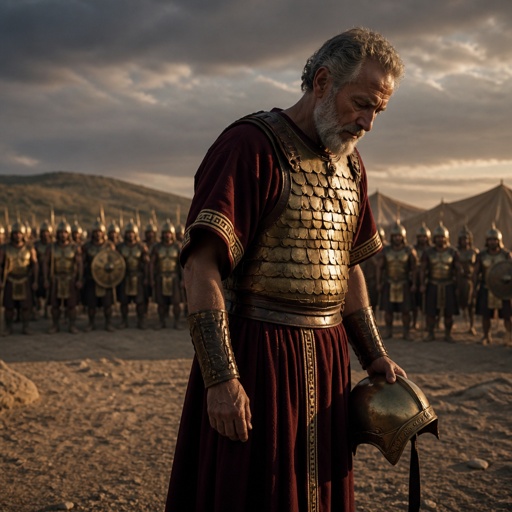
1 Samuel 13:14

2 Samuel 6:14

1 Samuel 31:1 - "Now the Philistines fought against Israel: and the men of Israel fled from before the Philistines, and fell down slain in mount Gilboa."

1 Samuel 11:14 - "Then said Samuel to the people, Come, and let us go to Gilgal, and renew the kingdom there."

1 Samuel 31:5 - "And when his armourbearer saw that Saul was dead, he fell likewise upon his sword, and died with him."

1 Samuel 17:31 - "And when the words were heard which David spake, they rehearsed them before Saul: and he sent for him."
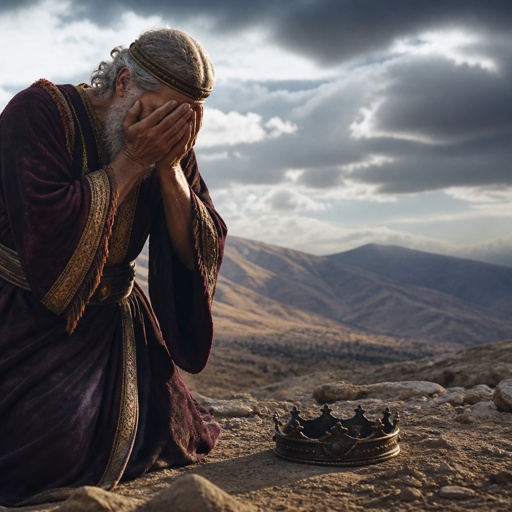
1 Samuel 13:13-14

1 Samuel 17:14 - "And David was the youngest: and the three eldest followed Saul."
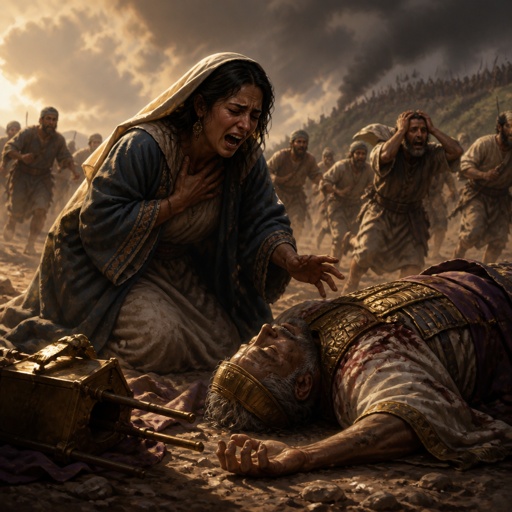
1 Samuel 4:14-16

1 Samuel 30:31 - "And to them which were in Hebron, and to all the places where David himself and his men were wont to haunt."

1 Samuel 15:14 - "And Samuel said, What meaneth then this bleating of the sheep in mine ears, and the lowing of the oxen which I hear?"
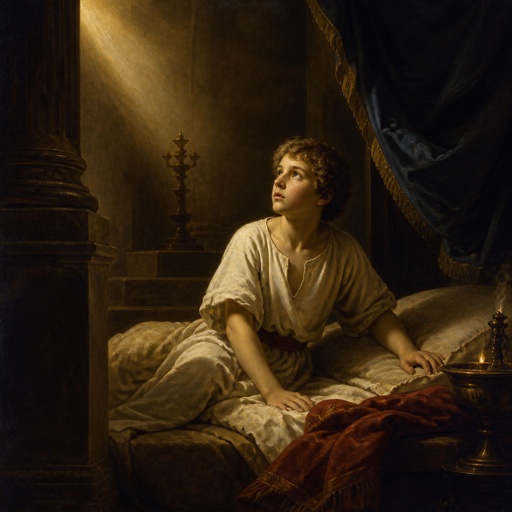
1 Samuel 3:1

1 Samuel 3:1

1 Samuel 31:8 - "And it came to pass on the morrow, when the Philistines came to strip the slain, that they found Saul and his three sons fallen in mount Gilboa."

1 Samuel 31:2 - "And the Philistines followed hard upon Saul and upon his sons; and the Philistines slew Jonathan, and Abinadab, and Malchi-shua, Saul's sons."

1 Corinthians 14:31 - "For ye may all prophesy one by one, that all may learn, and all may be comforted."