What does 2 Samuel 3:2 mean?
“And unto David were sons born in Hebron: and his firstborn was Amnon, of Ahinoam the Jezreelitess;” — 2 Samuel 3:2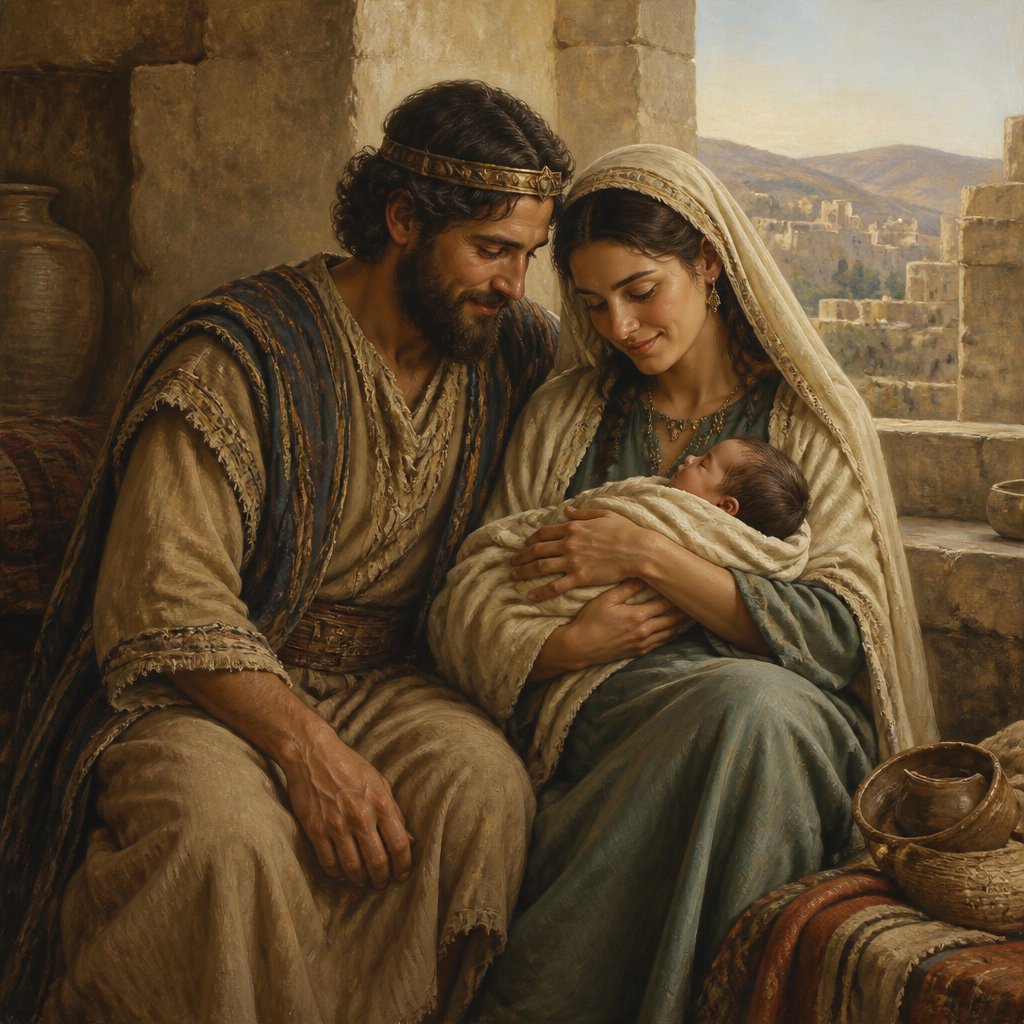
Sure! The verse 2 Samuel 3:2 in the King James Version reads, "And unto David were sons born in Hebron: and his firstborn was Amnon, of Ahinoam the Jezreelitess." This verse is part of the larger narrative of the life of David, who was a significant figure in the Old Testament of the Bible. To properly understand the significance of this verse, it is important to consider the historical and cultural context in which it was written, as well as the broader themes and symbolism found within the passage.
The book of 2 Samuel is part of the historical narrative of the Israelite monarchy and follows the life and reign of King David. Hebron was a city in ancient Israel that held significant importance in the history of the Israelites. It was originally inhabited by the Canaanites but was later conquered by the Israelites under the leadership of Joshua. After the death of King Saul, David ruled as king in Hebron before eventually being established as the king over all of Israel.
The verse 2 Samuel 3:2 provides a glimpse into David's family life, specifically mentioning the birth of his firstborn son, Amnon. In ancient Israelite culture, the birth of a firstborn son was highly significant, as it held legal and social implications for inheritance and lineage. Additionally, the mention of Amnon's mother, Ahinoam the Jezreelitess, implies the cultural and regional diversity within David's family.
One of the themes present in this verse is the idea of lineage and succession. Throughout the Bible, the concept of genealogy and family lineage holds great importance, as it establishes the continuity of God's covenant and the fulfillment of his promises. In the case of David, his descendants played a crucial role in the fulfillment of God's plan, particularly through the lineage of Jesus Christ, who was prophesied to be a descendant of David.
Another theme embedded in this verse is the complexity of family relationships and the implications of David's role as a father. The subsequent events in the life of Amnon, such as his tragic infatuation with his half-sister Tamar as described in 2 Samuel 13, shed light on the moral and ethical challenges faced by David and his family. These familial struggles are reflective of the broader human experience, highlighting the flawed and imperfect nature of individuals, even those who are chosen by God.
Furthermore, the mention of Hebron in this verse also carries symbolism. Hebron was a city that held historical and spiritual significance for the Israelites. It was the place where Abraham, the father of the Israelite nation, had resided and where he was buried. Thus, the reference to Hebron symbolizes the continuity of God's covenant with the people of Israel and the fulfillment of his promises through the lineage of David.
In conclusion, 2 Samuel 3:2 offers a window into the family life of King David and the significance of his firstborn son, Amnon, in the broader narrative of the Israelite monarchy. The verse reflects themes of lineage, family relationships, and the fulfillment of God's promises. It also symbolizes the spiritual and historical significance of Hebron in the story of the Israelites. As readers engage with this verse, they are invited to contemplate the complexities of human relationships and the unfolding of God's plan through the lives of individuals.
Get our apps


Artwork for 2 Samuel 3:2

2 Samuel 3:2 - "¶ And unto David were sons born in Hebron: and his firstborn was Amnon, of Ahinoam the Jezreelitess;"
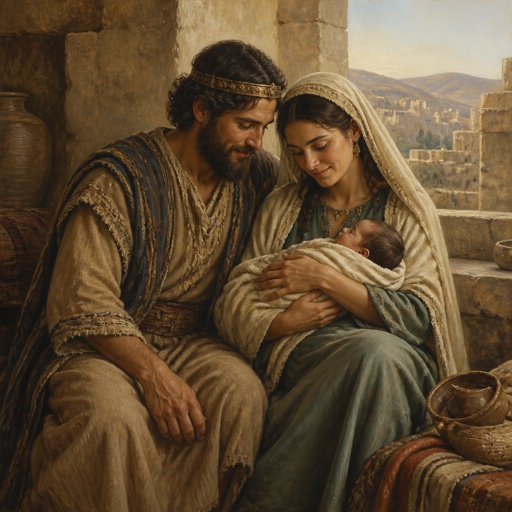
"¶ And unto David were sons born in Hebron: and his firstborn was Amnon, of Ahinoam the Jezreelitess;" - 2 Samuel 3:2

2 Samuel 2:3 - "And his men that were with him did David bring up, every man with his household: and they dwelt in the cities of Hebron."

2 Samuel 4:3 - "And the Beerothites fled to Gittaim, and were sojourners there until this day.)"

2 Samuel 3:4 - "And the fourth, Adonijah the son of Haggith; and the fifth, Shephatiah the son of Abital;"

2 Samuel 3:33 - "And the king lamented over Abner, and said, Died Abner as a fool dieth?"

2 Samuel 3:5 - "And the sixth, Ithream, by Eglah David's wife. These were born to David in Hebron."

2 Samuel 3:3 - "And his second, Chileab, of Abigail the wife of Nabal the Carmelite; and the third, Absalom the son of Maacah the daughter of Talmai king of Geshur;"

2 Samuel 7:3 - "And Nathan said to the king, Go, do all that is in thine heart; for the LORD is with thee."

2 Samuel 3:11 - "And he could not answer Abner a word again, because he feared him."

2 Samuel 3:37 - "For all the people and all Israel understood that day that it was not of the king to slay Abner the son of Ner."

2 Samuel 14:3 - "And come to the king, and speak on this manner unto him. So Joab put the words in her mouth."

2 Samuel 3:36 - "And all the people took notice of it, and it pleased them: as whatsoever the king did pleased all the people."

2 Samuel 3:15 - "And Ish-bosheth sent, and took her from her husband, even from Phaltiel the son of Laish."

2 Samuel 3:38 - "And the king said unto his servants, Know ye not that there is a prince and a great man fallen this day in Israel?"

2 Samuel 3:6 - "¶ And it came to pass, while there was war between the house of Saul and the house of David, that Abner made himself strong for the house of Saul."

2 Samuel 11:3 - "And David sent and enquired after the woman. And one said, Is not this Bath-sheba, the daughter of Eliam, the wife of Uriah the Hittite?"

2 Samuel 19:3 - "And the people gat them by stealth that day into the city, as people being ashamed steal away when they flee in battle."

2 Samuel 3:17 - "¶ And Abner had communication with the elders of Israel, saying, Ye sought for David in times past to be king over you:"

2 Samuel 3:32 - "And they buried Abner in Hebron: and the king lifted up his voice, and wept at the grave of Abner; and all the people wept."

2 Samuel 15:3 - "And Absalom said unto him, See, thy matters are good and right; but there is no man deputed of the king to hear thee."

2 Samuel 13:3 - "But Amnon had a friend, whose name was Jonadab, the son of Shimeah David's brother: and Jonadab was a very subtil man."

2 Samuel 3:30 - "So Joab and Abishai his brother slew Abner, because he had slain their brother Asahel at Gibeon in the battle."

2 Samuel 8:3 - "¶ David smote also Hadadezer, the son of Rehob, king of Zobah, as he went to recover his border at the river Euphrates."

2 Samuel 3:20 - "So Abner came to David to Hebron, and twenty men with him. And David made Abner and the men that were with him a feast."

2 Samuel 3:1 - "Now there was long war between the house of Saul and the house of David: but David waxed stronger and stronger, and the house of Saul waxed weaker and weaker."

2 Samuel 3:9 - "So do God to Abner, and more also, except, as the LORD hath sworn to David, even so I do to him;"

2 Samuel 23:3 - "The God of Israel said, the Rock of Israel spake to me, He that ruleth over men must be just, ruling in the fear of God."

2 Samuel 3:10 - "To translate the kingdom from the house of Saul, and to set up the throne of David over Israel and over Judah, from Dan even to Beer-sheba."

2 Samuel 3:16 - "And her husband went with her along weeping behind her to Bahurim. Then said Abner unto him, Go, return. And he returned."