What does Acts 11:20 mean?
“And some of them were men of Cyprus and Cyrene, which, when they were come to Antioch, spake unto the Grecians, preaching the Lord Jesus.” — Acts 11:20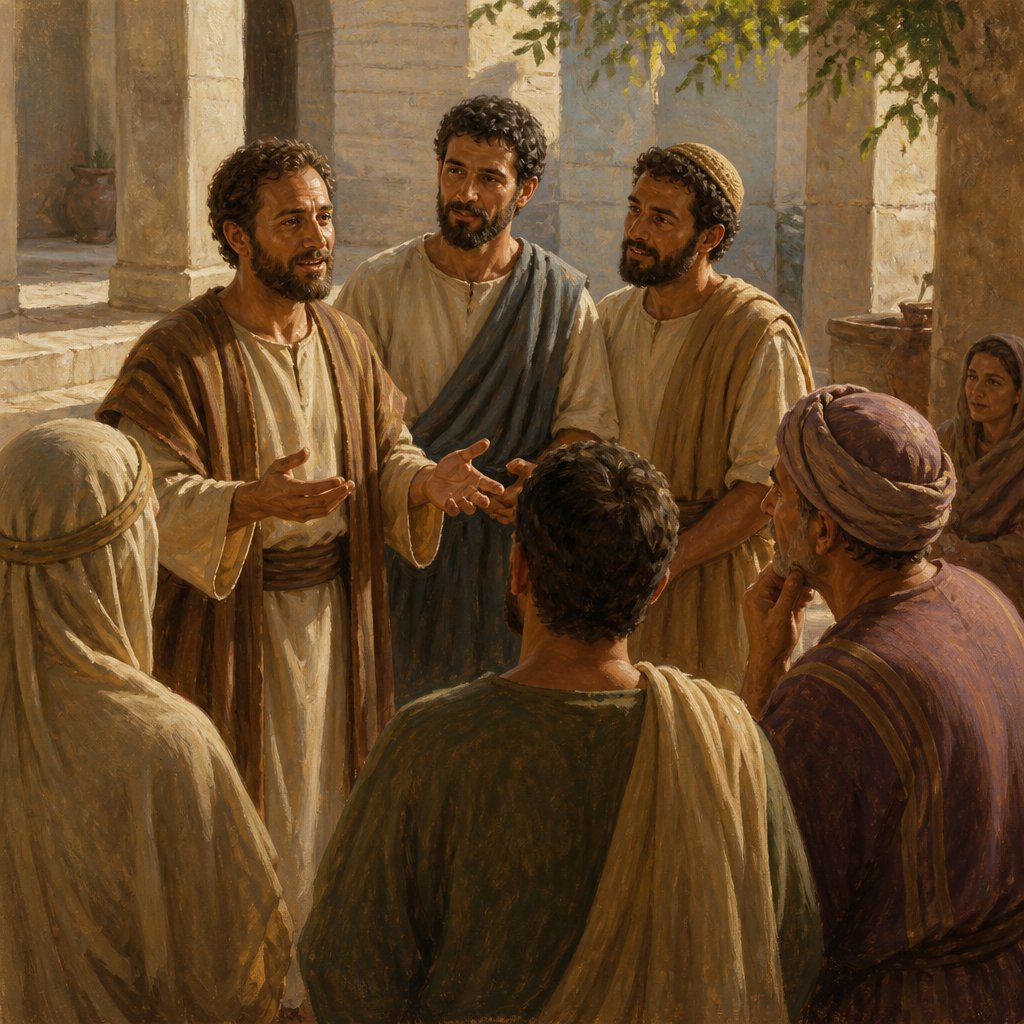
The Bible verse Acts 11:20 in the King James Version (KJV) states, "And some of them were men of Cyprus and Cyrene, which, when they were come to Antioch, spake unto the Grecians, preaching the Lord Jesus." This verse is part of a larger passage in the book of Acts that describes the spread of Christianity beyond the Jewish community and into the Greco-Roman world.
The context of Acts 11:20 takes place in the city of Antioch, which was a significant center of trade and culture in the ancient world. This verse describes how some believers, specifically men from the regions of Cyprus and Cyrene, migrated to Antioch and began preaching to the Greek-speaking population. This was a significant development in the early Christian movement, as it marked the expansion of the faith beyond its Jewish roots and into the wider Mediterranean world.
One of the key themes of Acts 11:20 is the universality of the gospel message. The fact that these men from Cyprus and Cyrene were preaching to the Grecians (i.e., Greeks or Greek-speaking people) highlights the inclusive nature of Christianity. It was not just for the Jewish people, but for people of all backgrounds and cultures. This theme of inclusivity and universality is a central tenet of the Christian faith, and Acts 11:20 exemplifies this.
Another important theme in this verse is the role of evangelism in spreading the Christian message. The fact that these men from Cyprus and Cyrene were actively preaching to the Grecians demonstrates the early Christians' commitment to sharing their faith with others. This theme of evangelism and mission work is a recurring motif in the book of Acts, and it continues to be a central focus for Christians today.
Acts 11:20 also has symbolic significance in the broader narrative of the book of Acts. The city of Antioch itself holds a special place in early Christian history, as it was one of the first places where followers of Jesus were referred to as "Christians" (Acts 11:26). The conversion of Gentiles in Antioch marked a major turning point in the early church's understanding of who the gospel was meant for, and Acts 11:20 is part of that larger movement towards inclusivity.
Additionally, the mention of Cyprus and Cyrene in Acts 11:20 may have symbolic significance as well. Cyprus, an island in the eastern Mediterranean, and Cyrene, a city in North Africa, represent the geographical spread of Christianity beyond the borders of Judea and Galilee. This nod to the diverse origins of the early Christians reinforces the idea that the gospel is meant for all people, regardless of their background or ethnicity.
In conclusion, Acts 11:20 in the King James Version offers a rich and multi-layered portrayal of the early expansion of Christianity into the Greco-Roman world. It highlights themes of inclusivity, evangelism, and the geographical spread of the gospel, all of which are central to the Christian faith. By examining the historical context, thematic content, and symbolic significance of this verse, we gain a deeper understanding of the profound impact of the early Christian movement and the timeless relevance of its message.
Get our apps


Artwork for Acts 11:20

Acts 11:20 - "And some of them were men of Cyprus and Cyrene, which, when they were come to Antioch, spake unto the Grecians, preaching the Lord Jesus."
"And some of them were men of Cyprus and Cyrene, which, when they were come to Antioch, spake unto the Grecians, preaching the Lord Jesus." - Acts 11:20

Acts 20:11
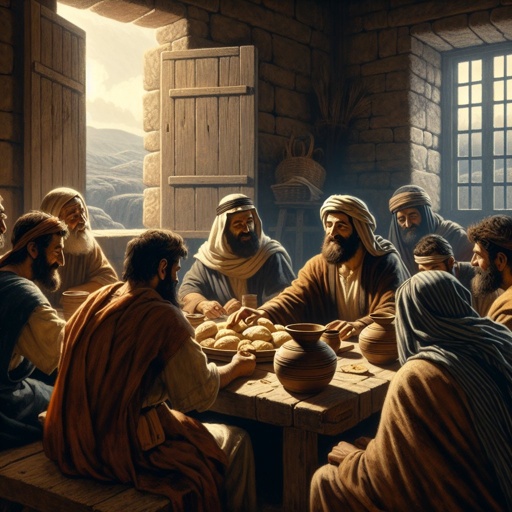
Acts 20:11 - "When he therefore was come up again, and had broken bread, and eaten, and talked a long while, even till break of day, so he departed."

acts 20:7-12

Acts 9:1-20

Acts 9:1-20

Acts 11:2

Acts 11:2

Acts 19: 11

Acts 19:11

acts 3 11

Acts 11:2

Acts 20:5 - "These going before tarried for us at Troas."

Acts 19:20 - "So mightily grew the word of God and prevailed."

1 Kings 11:41 - "¶ And the rest of the acts of Solomon, and all that he did, and his wisdom, are they not written in the book of the acts of Solomon?"

Acts 1:1-11

Acts 1:1-11

Acts 20:33 - "I have coveted no man's silver, or gold, or apparel."

Acts 20:12 - "And they brought the young man alive, and were not a little comforted."

Acts 20:17 - "¶ And from Miletus he sent to Ephesus, and called the elders of the church."

Acts 20:20 - "And how I kept back nothing that was profitable unto you, but have shewed you, and have taught you publickly, and from house to house,"

Acts 9:20 - "And straightway he preached Christ in the synagogues, that he is the Son of God."

Acts 5:20 - "Go, stand and speak in the temple to the people all the words of this life."

Acts 20:37 - "And they all wept sore, and fell on Paul's neck, and kissed him,"

Acts 20:8 - "And there were many lights in the upper chamber, where they were gathered together."

Acts 20:27 - "For I have not shunned to declare unto you all the counsel of God."

Acts 18:20 - "When they desired him to tarry longer time with them, he consented not;"

Acts 11:25 - "Then departed Barnabas to Tarsus, for to seek Saul:"

2 Kings 20:20 - "¶ And the rest of the acts of Hezekiah, and all his might, and how he made a pool, and a conduit, and brought water into the city, are they not written in the book of the chronicles of the kings of Judah?"