What does Acts 12:3 mean?
“And because he saw it pleased the Jews, he proceeded further to take Peter also. ( Then were the days of unleavened bread.)” — Acts 12:3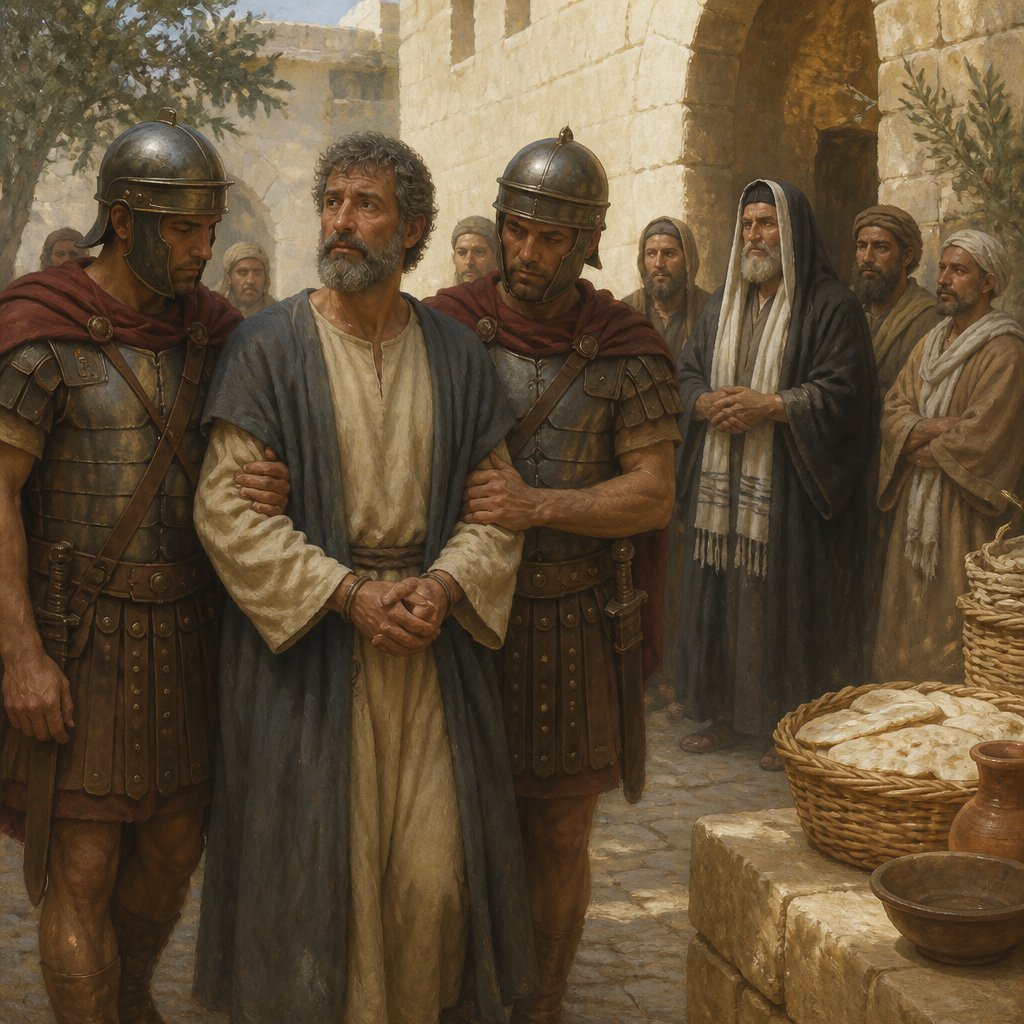
The verse Acts 12:3 from the King James Version of the Bible states, "And because he saw it pleased the Jews, he proceeded further to take Peter also. (Then were the days of unleavened bread.)"
This verse is a part of the larger narrative in the Book of Acts, which accounts the events in the early Christian church after the death and resurrection of Jesus Christ. In this particular passage, the apostle Peter has been apprehended by King Herod, who sought to please the Jewish people by persecuting and imprisoning prominent members of the early Christian community.
This verse reflects several important themes and contexts within the overall narrative of the Book of Acts. Firstly, it demonstrates the ongoing persecution and opposition faced by the early disciples of Jesus. Throughout the book, the apostles and other followers of Jesus are depicted as facing intense hostility and resistance from religious and political authorities. This passage highlights the fact that their commitment to spreading the message of Jesus often resulted in imprisonment, persecution, and even martyrdom.
Another important theme in this passage is the contrast between the power of human authorities and the power of God. King Herod's decision to imprison Peter is motivated by a desire to please the Jewish people and maintain his own political power. However, the narrative goes on to reveal that God intervenes on behalf of Peter, orchestrating his miraculous escape from prison. This theme of divine intervention and the triumph of faith over human authority is a central motif in the Book of Acts.
The mention of "the days of unleavened bread" in this verse is also significant. In the context of the Jewish calendar, the days of unleavened bread refer to the week-long festival that commemorates the Exodus of the Israelites from Egypt. This reference serves to situate the events of the narrative within the broader religious and cultural context of the Jewish people, highlighting the tension and conflict between the early Christian movement and the established Jewish religious institutions.
Symbolism is also present in this verse, particularly in the actions of King Herod. His decision to persecute Peter in order to please the Jewish people can be seen as symbolic of the broader persecution faced by the early Christian community at the hands of religious and political authorities. Additionally, the imprisonment and miraculous escape of Peter can be interpreted as symbolic of the ongoing struggle between the forces of oppression and the resilience of the Christian faith.
Overall, Acts 12:3 from the King James Version of the Bible encompasses several important themes and contexts within the broader narrative of the Book of Acts. It serves as a poignant reminder of the challenges faced by the early Christian community, the ongoing tension between human authority and the power of God, and the symbolic significance of these events within the larger religious and cultural context of the time.
Get our apps


Artwork for Acts 12:3

Acts 12:3 - "And because he saw it pleased the Jews, he proceeded further to take Peter also. (Then were the days of unleavened bread.)"
"And because he saw it pleased the Jews, he proceeded further to take Peter also. (Then were the days of unleavened bread.)" - Acts 12:3

Acts 18:12

Acts 28:12

Acts 18:12
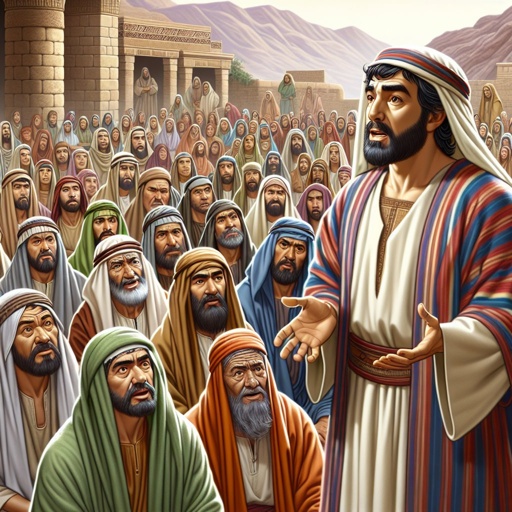
Acts 3:12 - "¶ And when Peter saw it, he answered unto the people, Ye men of Israel, why marvel ye at this? or why look ye so earnestly on us, as though by our own power or holiness we had made this man to walk?"

Acts 3:16

Acts 3:16

Acts 3:16

Acts 3:16

Acts 3:6-7

Acts 3:6-7

Acts 3:6-7

Acts 3:6-7

Acts 3:6-7

Acts 4:8-12

acts 20:7-12

Acts 12:24 - "¶ But the word of God grew and multiplied."

Acts 2;2-3

acts 3 11

Acts 2:3

Acts 3:3 - "Who seeing Peter and John about to go into the temple asked an alms."

Acts 12:2 - "And he killed James the brother of John with the sword."

Acts 28:12 - "And landing at Syracuse, we tarried there three days."

Acts 2:2-3

Acts 2:2-3

Acts 12:22 - "And the people gave a shout, saying, It is the voice of a god, and not of a man."

Acts 20:12 - "And they brought the young man alive, and were not a little comforted."

Acts 12:13 - "And as Peter knocked at the door of the gate, a damsel came to hearken, named Rhoda."

Acts 14:12 - "And they called Barnabas, Jupiter; and Paul, Mercurius, because he was the chief speaker."