What does Acts 14:6 mean?
"They were ware of it, and fled unto Lystra and Derbe, cities of Lycaonia, and unto the region that lieth round about:" - Acts 14:6
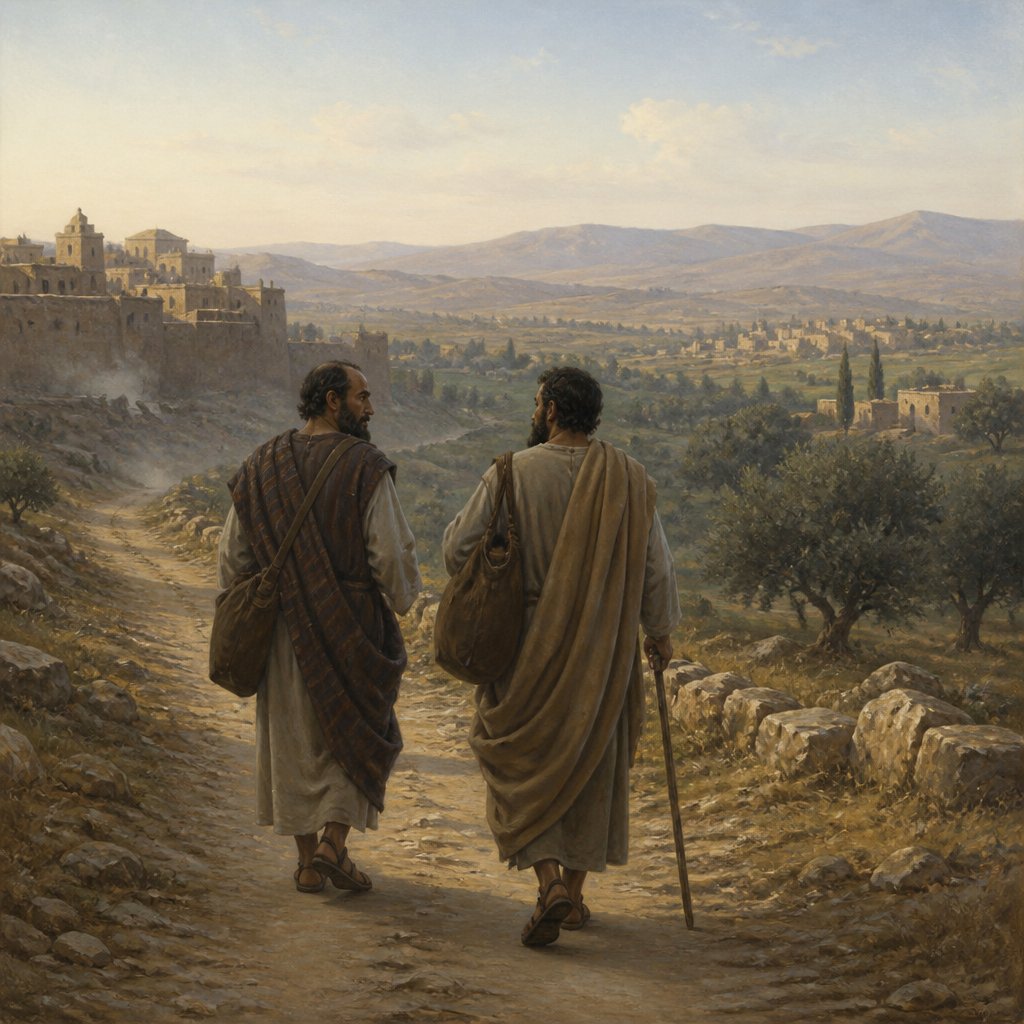
The Bible verse Acts 14:6 in the King James Version (KJV) states, "They were ware of it, and fled unto Lystra and Derbe, cities of Lycaonia, and unto the region that lieth round about."
This verse is a part of the book of Acts, which is the fifth book of the New Testament and is a continuation of the Gospel of Luke. The book of Acts focuses on the early Christian church and the spread of the gospel message following the death and resurrection of Jesus Christ. Acts 14 specifically describes the missionary journeys of Paul and Barnabas as they travel and preach in various cities.
In this verse, Paul and Barnabas have encountered opposition in the city of Iconium, where the unbelieving Jews and Gentiles sought to mistreat and stone them (Acts 14:5). Faced with this hostility, they fled to the cities of Lystra and Derbe, as well as the surrounding region of Lycaonia. This traveling was necessitated by the need to escape the persecution and continue their mission to spread the gospel.
The themes of persecution, perseverance, and the spread of the gospel are evident in this verse. The early Christians faced immense opposition as they proclaimed the message of Jesus Christ, yet they remained steadfast in their faith and continued to fulfill their calling. The verse also highlights the importance of being aware of potential threats and using discernment to make wise decisions.
The context of this verse is crucial to understanding its significance. Paul and Barnabas were on their first missionary journey, traveling through Asia Minor to share the good news of Jesus Christ. In each city they visited, they encountered both acceptance and rejection, but they remained undeterred in their mission. The journey to Lystra and Derbe marked a pivotal moment in their ministry, as they were able to reach new communities and establish a presence for the Christian faith in the region.
Symbolically, the fleeing to Lystra and Derbe can be seen as a metaphor for the spreading of the gospel to new territories. This act of moving to a new location in response to persecution reflects the global, unrelenting nature of the Christian mission. It also signifies the resilience and courage of the early Christians, who were willing to face hardships in order to share the message of salvation with others.
Furthermore, the verse emphasizes the trust that Paul and Barnabas placed in God's guidance and protection. They recognized the need to adapt their strategies and travel to new areas in order to continue their mission, demonstrating their reliance on divine providence.
In conclusion, Acts 14:6 in the King James Version is a significant verse that encapsulates the challenges and triumphs of early Christian missionary work. It serves as a reminder of the perseverance and dedication of Paul and Barnabas in their commitment to spread the gospel, as well as the timeless truths of discernment, resilience, and trust in God's guidance. This verse continues to inspire and encourage believers to boldly proclaim their faith and trust in God's providential care.
Have questions about Acts 14:6?
Dive deeper into this scripture with Bible Chat — an AI-powered tool for exploring God's Word through conversation. Ask questions, get context, and grow in your understanding of the Bible.
Get Our Apps


Acts 14:6 Artwork

Acts 14:6 - "They were ware of it, and fled unto Lystra and Derbe, cities of Lycaonia, and unto the region that lieth round about:"
"They were ware of it, and fled unto Lystra and Derbe, cities of Lycaonia, and unto the region that lieth round about:" - Acts 14:6

Acts 6:14 - "For we have heard him say, that this Jesus of Nazareth shall destroy this place, and shall change the customs which Moses delivered us."

Acts 14:17

Acts 14:7 - "And there they preached the gospel."

Acts 3:6-7

Acts 3:6-7

Acts 3:6-7

Acts 3:6-7

Acts 3:6-7

Acts 14:28 - "And there they abode long time with the disciples."

Acts 14:14 - "Which when the apostles, Barnabas and Paul, heard of, they rent their clothes, and ran in among the people, crying out,"

Acts 6:6 - "Whom they set before the apostles: and when they had prayed, they laid their hands on them."

"And there they preached the gospel." - Acts 14:7

Acts 21:5-6
"For we have heard him say, that this Jesus of Nazareth shall destroy this place, and shall change the customs which Moses delivered us." - Acts 6:14

Acts 14:24 - "And after they had passed throughout Pisidia, they came to Pamphylia."

Depict the events of Acts 19:14-17

Acts 27:14 - "But not long after there arose against it a tempestuous wind, called Euroclydon."

Acts 14:25 - "And when they had preached the word in Perga, they went down into Attalia:"

Acts 14:4 - "But the multitude of the city was divided: and part held with the Jews, and part with the apostles."

Acts 15:6 - "¶ And the apostles and elders came together for to consider of this matter."

Acts 14:16 - "Who in times past suffered all nations to walk in their own ways."

Acts 14:18 - "And with these sayings scarce restrained they the people, that they had not done sacrifice unto them."

Acts 5:14 - "And believers were the more added to the Lord, multitudes both of men and women.)"

2 Kings 14:18 - "And the rest of the acts of Amaziah, are they not written in the book of the chronicles of the kings of Judah?"

Acts 14:12 - "And they called Barnabas, Jupiter; and Paul, Mercurius, because he was the chief speaker."

Acts 21:14 - "And when he would not be persuaded, we ceased, saying, The will of the Lord be done."

Acts 6:4 - "But we will give ourselves continually to prayer, and to the ministry of the word."

"And there they abode long time with the disciples." - Acts 14:28