What does Acts 15:17 mean?
“That the residue of men might seek after the Lord, and all the Gentiles, upon whom my name is called, saith the Lord, who doeth all these things.” — Acts 15:17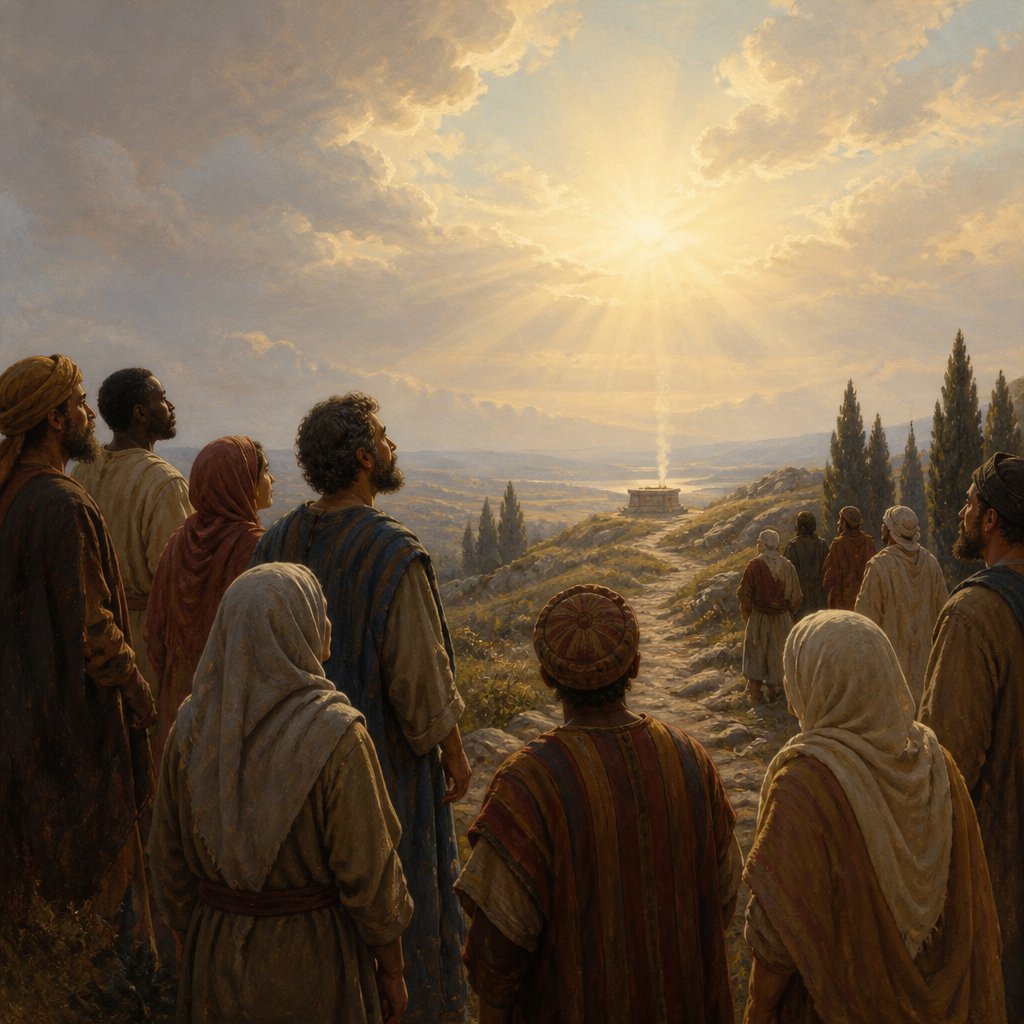
The book of Acts is the fifth book in the New Testament and tells the story of the early church and the spread of Christianity. In Acts 15:17, the verse reads, "That the residue of men might seek after the Lord, and all the Gentiles, upon whom my name is called, saith the Lord, who doeth all these things." This verse comes in the midst of a council in Jerusalem where the apostles and elders are discussing the issue of whether or not Gentile believers should be required to follow certain Jewish customs, such as circumcision. The verse is spoken by the Apostle James as he relates the words of the Old Testament prophet Amos to the group.
To fully understand the meaning of Acts 15:17, it is important to consider the context in which it is spoken. The passage from which this verse is taken is a quotation from Amos 9:11-12, which reads, "In that day will I raise up the tabernacle of David that is fallen, and close up the breaches thereof; and I will raise up his ruins, and I will build it as in the days of old: That they may possess the remnant of Edom, and of all the heathen, which are called by my name, saith the Lord that doeth this." In his speech, James is using this passage to show that the inclusion of the Gentiles in the church was foretold by the prophets and therefore is in alignment with God's plan.
The verse speaks to the broader theme of the inclusion of the Gentiles in the plan of salvation. Throughout the Old Testament, there are prophecies and promises that speak to God's desire to reach all nations and peoples. In Acts 15:17, the emphasis is on how the Gentiles are included in God's plan, despite not being part of the Jewish nation. This reflects the universal nature of Christianity and the message of salvation through Jesus Christ for all people, not just the Jews.
Another important theme in this verse is the sovereignty of God. The verse begins with the statement, "saith the Lord," which emphasizes that it is God who is orchestrating all of these events. The inclusion of the Gentiles in the church is not the result of human efforts or decisions, but rather the fulfillment of God's plan as foretold by the prophets. This theme of God's sovereignty is a recurring theme throughout the Bible and serves as a reminder that ultimately, it is God who is in control of all things.
Furthermore, the verse speaks to the idea of seeking after the Lord. The phrase, "that the residue of men might seek after the Lord," suggests that the inclusion of the Gentiles is intended to draw all people to God. This reflects the mission of the church to proclaim the gospel and make disciples of all nations. The Gentiles are called to seek after the Lord, and through their inclusion in the church, they have the opportunity to do so.
Symbolism is also present in this verse, particularly in the reference to the "residue of men" and "all the Gentiles." The "residue of men" can be seen as representative of the remnant of people from all nations who will seek after the Lord. This emphasizes the idea that the gospel is for all people, regardless of their background or ethnicity. The reference to "all the Gentiles" reinforces this idea of the universal nature of Christianity and God's plan for salvation for all people.
In conclusion, Acts 15:17 is a verse that speaks to the inclusion of the Gentiles in God's plan of salvation, the sovereignty of God, the universal message of seeking after the Lord, and the symbolism of the remnant of people from all nations. It serves as a reminder of the universal nature of Christianity and the mission of the church to proclaim the gospel to all people. This verse provides a powerful message of inclusion and the fulfillment of God's plan as foretold by the prophets.
Get our apps


Artwork for Acts 15:17

Acts 15:17 - "That the residue of men might seek after the Lord, and all the Gentiles, upon whom my name is called, saith the Lord, who doeth all these things."

"That the residue of men might seek after the Lord, and all the Gentiles, upon whom my name is called, saith the Lord, who doeth all these things." - Acts 15:17

Acts 17:15

Acts 17:15 - "And they that conducted Paul brought him unto Athens: and receiving a commandment unto Silas and Timotheus for to come to him with all speed, they departed."

Acts 2:17

Acts 2:17

Acts 2:17

Acts 15:15 - "And to this agree the words of the prophets; as it is written,"

acts 15

Acts 16:17

Acts 14:17

Acts 17:27

Acts 17:17 - "Therefore disputed he in the synagogue with the Jews, and with the devout persons, and in the market daily with them that met with him."

"And to this agree the words of the prophets; as it is written," - Acts 15:15

"And they that conducted Paul brought him unto Athens: and receiving a commandment unto Silas and Timotheus for to come to him with all speed, they departed." - Acts 17:15

Acts 17:33 - "So Paul departed from among them."

Acts 8:17 - "Then laid they their hands on them, and they received the Holy Ghost."

Acts 15:34 - "Notwithstanding it pleased Silas to abide there still."

Acts 17:8 - "And they troubled the people and the rulers of the city, when they heard these things."

Acts 1:17 - "For he was numbered with us, and had obtained part of this ministry."

Genesis 17-15

Provers 15:17

put on a scroll acts 15:29

2 Kings 15:15 - "And the rest of the acts of Shallum, and his conspiracy which he made, behold, they are written in the book of the chronicles of the kings of Israel."

create an image to show Acts 2:17

Depict the events of Acts 19:14-17

Acts 20:17 - "¶ And from Miletus he sent to Ephesus, and called the elders of the church."

Acts 15:31 - "Which when they had read, they rejoiced for the consolation."

Acts 15:6 - "¶ And the apostles and elders came together for to consider of this matter."

Genesis 15:17