What does Acts 1:7 mean?
“And he said unto them, It is not for you to know the times or the seasons, which the Father hath put in his own power.” — Acts 1:7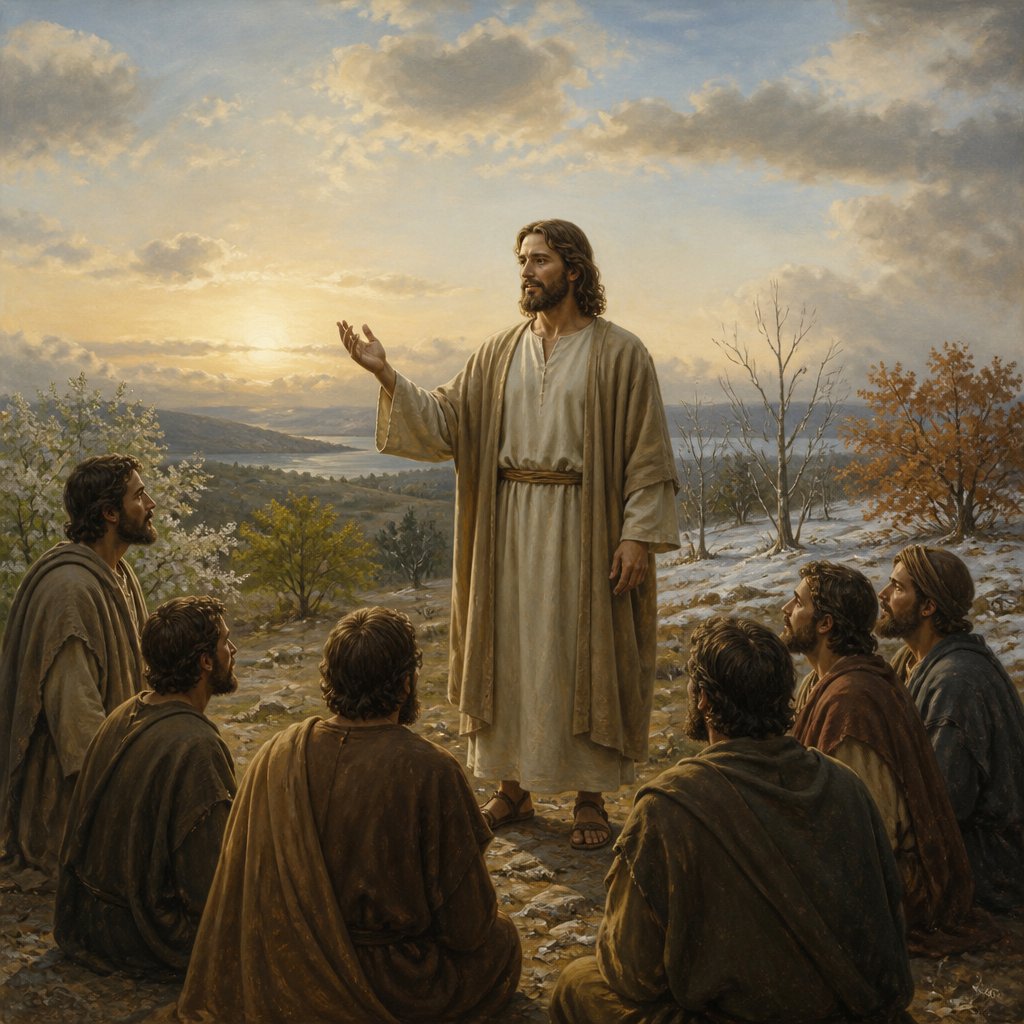
The Bible verse Acts 1:7 from the King James Version (KJV) states, "And he said unto them, It is not for you to know the times or the seasons, which the Father hath put in his own power." This verse is part of the conversation between Jesus and his disciples just before his ascension into heaven. In this verse, Jesus is addressing a crucial point regarding the timing of certain events, indicating that only God the Father knows the appointed times and seasons.
The themes present in this verse are centered around the sovereignty of God, the limitation of human understanding, and the concept of divine timing. The verse serves as a reminder that there are certain aspects of God's plan and purpose that are beyond the comprehension of human beings. It highlights the need for trust and submission to God's will, even when the timing and seasons of certain events are not known or understood.
The context of this verse is important to understanding its significance. Jesus had just spent forty days with his disciples after his resurrection, teaching them about the kingdom of God. In this particular conversation, the disciples are eager to know if Jesus will restore the kingdom to Israel at that time. Jesus responds by redirecting their focus away from specific times and seasons and towards the broader mission and purpose of their role as witnesses for him.
The verse also holds significant symbolism. The emphasis on God's control over times and seasons carries a symbolic meaning of divine sovereignty. It serves as a reminder that God's plans operate on a cosmic timetable that is beyond human reckoning. The disciples' desire to know the specific timing of certain events represents the natural human inclination to seek control and certainty. However, Jesus' response points to the need for faith and surrender to God's sovereign will.
Furthermore, this verse underscores the concept of divine wisdom and knowledge. By affirming that the Father has put the times and seasons in his own power, Jesus asserts the divine omniscience and authority of God. This serves as a comforting reminder for believers that God's knowledge and wisdom surpass human understanding, and His plans are always perfect and purposeful.
In the broader theological context, this verse aligns with the biblical theme of trust and reliance on God's timing. Throughout the Bible, there are numerous instances where characters grapple with waiting for God's timing. In the Old Testament, Abraham and Sarah waited for the fulfillment of God's promise of a son, and in the New Testament, Mary and Martha waited for Jesus to come and heal their brother Lazarus.
The verse also echoes the sentiment expressed in Ecclesiastes 3:1, "To everything there is a season, and a time to every purpose under the heaven." This verse emphasizes that God has a perfect timing for every purpose and event. It calls for patience, faith, and submission to God's will, knowing that His timing is always perfect.
In conclusion, Acts 1:7 from the King James Version conveys a profound message about the sovereignty, wisdom, and divine timing of God. It urges believers to trust in God's perfect timing, even when specific times and seasons are not known or understood. It emphasizes the need for faith and surrender to God's will, as well as the recognition of God's authority over all things. This verse serves as a timeless and relevant reminder for all believers to rely on God's perfect timing in every aspect of their lives.
Get our apps


Artwork for Acts 1:7

Acts 1:7 - "And he said unto them, It is not for you to know the times or the seasons, which the Father hath put in his own power."

"And he said unto them, It is not for you to know the times or the seasons, which the Father hath put in his own power." - Acts 1:7

Acts 7:1 - "Then said the high priest, Are these things so?"
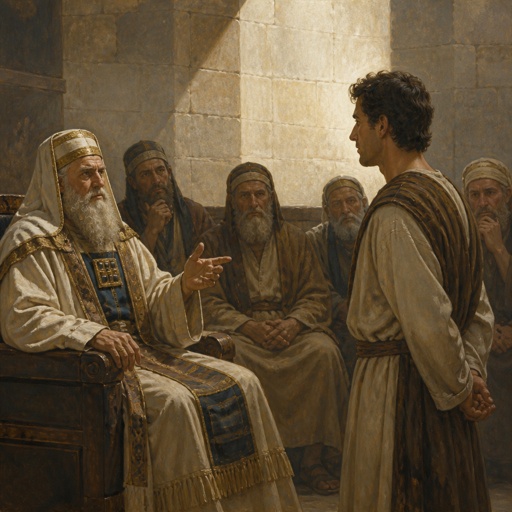
"Then said the high priest, Are these things so?" - Acts 7:1

1 Kings 15:7 - "Now the rest of the acts of Abijam, and all that he did, are they not written in the book of the chronicles of the kings of Judah? And there was war between Abijam and Jeroboam."

Acts 3:6-7

Acts 3:6-7

Acts 3:6-7

Acts 3:6-7

Acts 3:6-7

1 Samuel 12:7 - "Now therefore stand still, that I may reason with you before the LORD of all the righteous acts of the LORD, which he did to you and to your fathers."

Acts 14:7 - "And there they preached the gospel."

acts 20:7-12

Acts 7:47 - "But Solomon built him an house."

Acts 19:7 - "And all the men were about twelve."

"And there they preached the gospel." - Acts 14:7

Acts 7:50 - "Hath not my hand made all these things?"

Acts 7:7 - "And the nation to whom they shall be in bondage will I judge, said God: and after that shall they come forth, and serve me in this place."

Acts 7:18 - "Till another king arose, which knew not Joseph."

Acts 7:53 - "Who have received the law by the disposition of angels, and have not kept it."

Acts 7:9 - "And the patriarchs, moved with envy, sold Joseph into Egypt: but God was with him,"

Acts 7:22 - "And Moses was learned in all the wisdom of the Egyptians, and was mighty in words and in deeds."

Acts 7:28 - "Wilt thou kill me, as thou diddest the Egyptian yesterday?"

Acts 7:54 - "¶ When they heard these things, they were cut to the heart, and they gnashed on him with their teeth."

Acts 7:48 - "Howbeit the most High dwelleth not in temples made with hands; as saith the prophet,"

Acts 7:15 - "So Jacob went down into Egypt, and died, he, and our fathers,"

"But Solomon built him an house." - Acts 7:47

Acts 7:55-56 – "Stephen, full of the Holy Spirit, looked up to heaven and saw the glory of God."

Acts 7:55-56 – "Stephen, full of the Holy Spirit, looked up to heaven and saw the glory of God."

Acts 16:7 - "After they were come to Mysia, they assayed to go into Bithynia: but the Spirit suffered them not."