What does Acts 20:7 mean?
“And upon the first day of the week, when the disciples came together to break bread, Paul preached unto them, ready to depart on the morrow; and continued his speech until midnight.” — Acts 20:7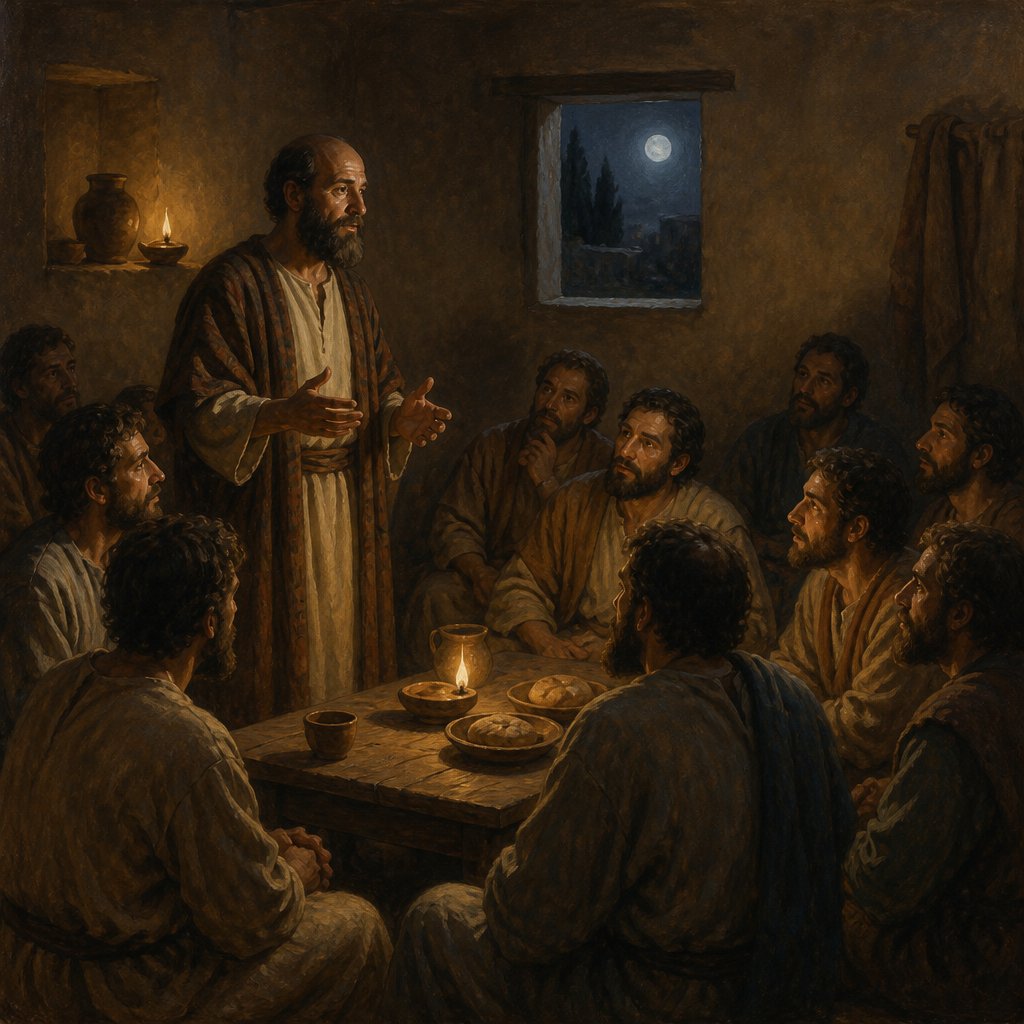
In Acts 20:7, the King James Version reads, "And upon the first day of the week, when the disciples came together to break bread, Paul preached unto them, ready to depart on the morrow; and continued his speech until midnight."
This verse comes from the book of Acts, which tells the story of the early Christian church and the spread of the gospel after Jesus's resurrection. The verse takes place in the city of Troas, where Paul is on his third missionary journey.
The significance of this verse lies in the actions and teachings of the early Christians. They gathered together on the first day of the week, which is Sunday, to break bread and listen to the teachings of Paul. This practice reflects the early Christian tradition of meeting on the first day of the week to commemorate the resurrection of Jesus Christ, which occurred on a Sunday.
The breaking of bread mentioned in this verse likely refers not only to sharing a meal but also to the practice of the Eucharist or Communion. This was a central ritual in the early Christian church, where believers would come together to remember the sacrifice of Jesus by sharing bread and wine, which symbolized his body and blood.
The fact that Paul preached to the disciples until midnight indicates the importance and dedication of the early Christian community to receiving instruction and edification. It also reflects Paul's commitment to proclaiming the message of the gospel and teaching the believers in every opportunity he had.
The themes present in this verse include the importance of fellowship and community in the Christian faith. The gathering of believers to break bread and hear the teachings of Paul demonstrates the value of coming together as a community to worship, learn, and support one another in their faith. This speaks to the idea of the church as a body, with each member playing a vital role in the spiritual growth and support of the others.
Additionally, the verse emphasizes the significance of the Sunday gathering as a time for worship, teaching, and remembrance of Christ's sacrifice. It underscores the importance of setting aside time specifically for spiritual nourishment and the celebration of the resurrection.
Another important aspect of this verse is the dedication and commitment of Paul to preach the gospel. His willingness to continue speaking until midnight exemplifies his passion for sharing the message of Jesus and instructing the believers in the faith. It serves as a model for Christian leaders and ministers to be diligent and devoted in their proclamation of the gospel and the teaching of the Word of God.
Symbolically, the breaking of bread and the preaching of Paul represent the core elements of Christian worship and instruction. The breaking of bread symbolizes unity and the sharing of Christ's sacrifice, while Paul's preaching represents the importance of biblical teaching and spiritual guidance within the church.
In conclusion, Acts 20:7 from the King James Version offers a glimpse into the early Christian community's practices and Paul's commitment to spreading the gospel. It highlights the significance of fellowship, worship, and teaching within the church, as well as the central role of the Sunday gathering in the life of believers. The verse also serves as a reminder of the importance of spiritual nourishment and the dedication of Christian leaders in proclaiming the message of Jesus Christ.
Get our apps


Artwork for Acts 20:7

acts 20:7-12

Acts 20:7 - "And upon the first day of the week, when the disciples came together to break bread, Paul preached unto them, ready to depart on the morrow; and continued his speech until midnight."
"And upon the first day of the week, when the disciples came together to break bread, Paul preached unto them, ready to depart on the morrow; and continued his speech until midnight." - Acts 20:7

Acts 7:20 - "In which time Moses was born, and was exceeding fair, and nourished up in his father's house three months:"

Acts 20:11
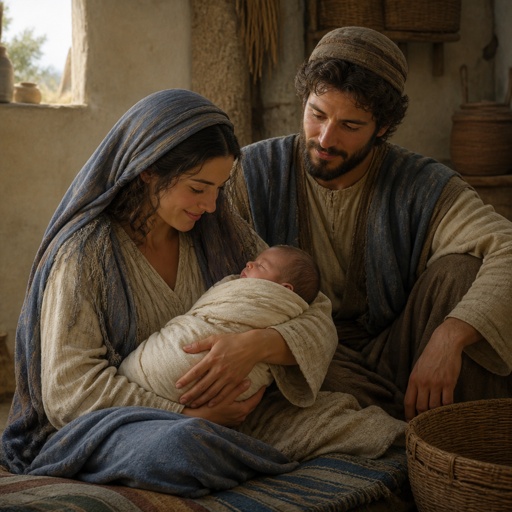
"In which time Moses was born, and was exceeding fair, and nourished up in his father's house three months:" - Acts 7:20

Acts 9:1-20

Acts 9:1-20

Acts 3:6-7

Acts 3:6-7

Acts 20:5 - "These going before tarried for us at Troas."

Acts 3:6-7

Acts 3:6-7

Acts 3:6-7

Acts 19:20 - "So mightily grew the word of God and prevailed."

Acts 20:33 - "I have coveted no man's silver, or gold, or apparel."

Acts 20:12 - "And they brought the young man alive, and were not a little comforted."

Acts 14:7 - "And there they preached the gospel."

Acts 20:17 - "¶ And from Miletus he sent to Ephesus, and called the elders of the church."

Acts 20:20 - "And how I kept back nothing that was profitable unto you, but have shewed you, and have taught you publickly, and from house to house,"

Acts 9:20 - "And straightway he preached Christ in the synagogues, that he is the Son of God."

Acts 5:20 - "Go, stand and speak in the temple to the people all the words of this life."

Acts 20:37 - "And they all wept sore, and fell on Paul's neck, and kissed him,"

Acts 20:8 - "And there were many lights in the upper chamber, where they were gathered together."

Acts 20:27 - "For I have not shunned to declare unto you all the counsel of God."

Acts 18:20 - "When they desired him to tarry longer time with them, he consented not;"

2 Kings 20:20 - "¶ And the rest of the acts of Hezekiah, and all his might, and how he made a pool, and a conduit, and brought water into the city, are they not written in the book of the chronicles of the kings of Judah?"

Acts 4:20 - "For we cannot but speak the things which we have seen and heard."

Acts 7:47 - "But Solomon built him an house."

Acts 3:20 - "And he shall send Jesus Christ, which before was preached unto you:"