What does Acts 3:12 mean?
“And when Peter saw it, he answered unto the people, Ye men of Israel, why marvel ye at this? or why look ye so earnestly on us, as though by our own power or holiness we had made this man to walk?” — Acts 3:12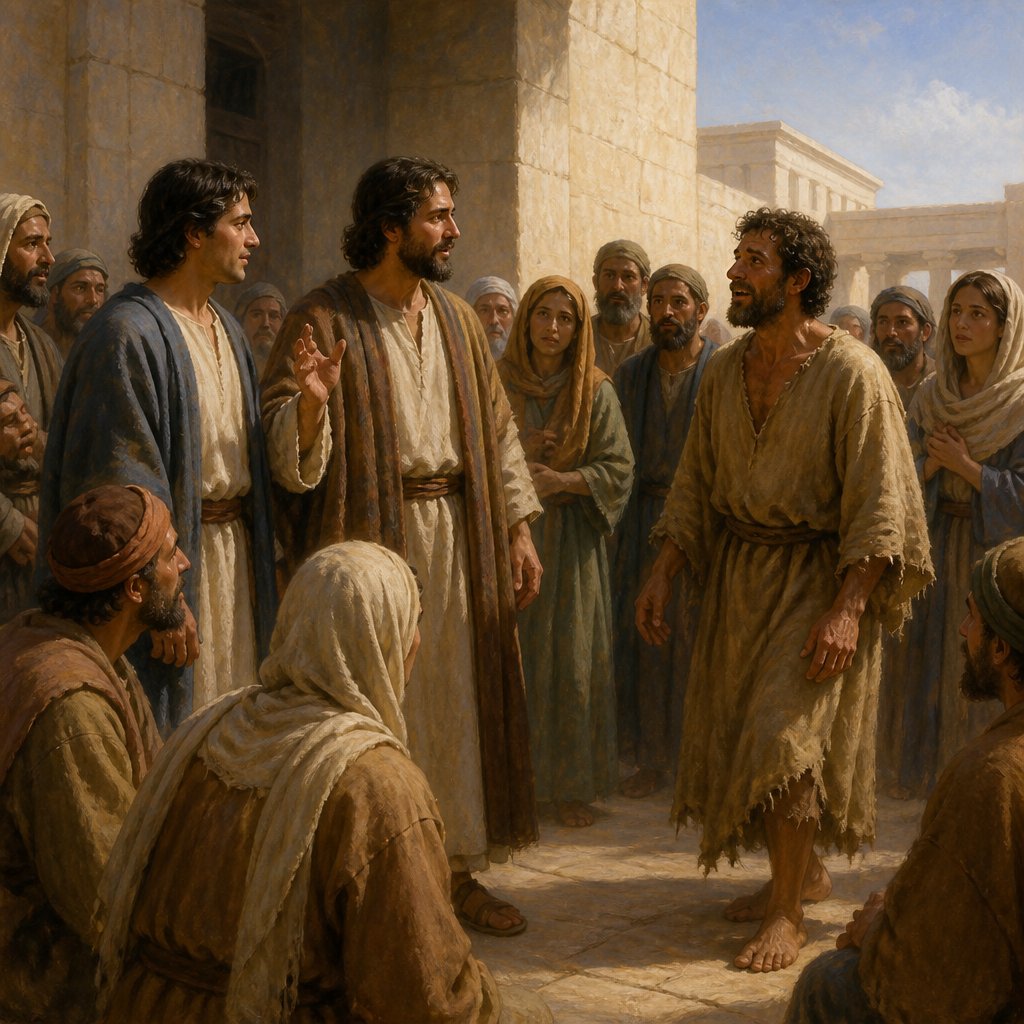
The verse Acts 3:12 from the King James Version of the Bible reads, "And when Peter saw it, he answered unto the people, Ye men of Israel, why marvel ye at this? or why look ye so earnestly on us, as though by our own power or holiness we had made this man to walk?" This verse comes in the context of the healing of a man who had been lame from birth. Peter and John were on their way to the temple for prayer when they encountered the man begging for alms. Peter, filled with the Holy Spirit, healed the man, who then began to walk and leap for joy. This miraculous event gathered a large crowd, and Peter took the opportunity to address the people and preach the Gospel to them.
The verse signifies a turning point in the narrative, as Peter shifts the focus from the miracle itself to the greater spiritual significance behind it. The powerful healing of the lame man drew attention and amazement from the crowd, but Peter wanted to redirect their awe towards God. His words "Ye men of Israel, why marvel ye at this?" are a reminder that the true source of this miracle was not the human power or holiness of Peter and John, but the almighty power of God. This statement serves as a reminder to the audience that all glory and praise should be directed towards God, rather than towards the apostles.
One of the key themes present in this verse is humility. Peter's response to the crowd's amazement demonstrates a humble and self-effacing attitude. Instead of basking in the praise and admiration of the people, he immediately deflects the attention away from himself and towards God. This humility is a central characteristic of Christian virtues, and it serves as a model for believers to follow. Peter's words highlight the fact that any abilities or accomplishments that individuals possess are ultimately gifts from God, and they should be used to glorify Him rather than to exalt oneself.
Another important theme in this verse is the sovereignty and power of God. Peter emphasizes that it was not by his own power or holiness that the man was healed, but by the authority and will of God. This serves as a reminder that God is the ultimate source of all power and goodness, and that He is capable of performing extraordinary acts that transcend human understanding. The verse encourages believers to place their trust in God's sovereignty and to acknowledge His supremacy over all things.
The context of this verse is significant in understanding its deeper meaning. The healing of the lame man was a powerful demonstration of the apostles' authority and the presence of the Holy Spirit in their ministry. It also provided an opportunity for Peter to preach the Gospel to the gathered crowd. His response to the people's amazement was a strategic way of drawing attention to the message he was about to deliver. By redirecting the focus from the miracle to the power of God, Peter set the stage for his proclamation of the Gospel, emphasizing the importance of faith in Jesus Christ for salvation.
The symbolism in this verse lies in its representation of the Christian faith and the relationship between humanity and God. The healing of the lame man can be seen as a metaphor for the spiritual healing and transformation that believers experience through faith in Christ. Just as the lame man was physically restored to health, so too are believers spiritually restored and made whole through their relationship with God. The verse also symbolizes the idea that all good things come from God and that believers should not take credit for their accomplishments, but rather give all glory to Him.
In conclusion, Acts 3:12 from the King James Version of the Bible contains a profound message about humility, the sovereignty of God, and the spiritual significance of miraculous events. Peter's response to the people's amazement serves as a reminder to believers that all accomplishments and abilities ultimately come from God, and that the focus should always be on glorifying Him. The verse also serves as a symbol of the transformative power of faith in Christ, as demonstrated through the healing of the lame man. Overall, this verse holds deep theological and spiritual significance, and it continues to inspire and instruct Christians in their faith today.
Get our apps


Artwork for Acts 3:12
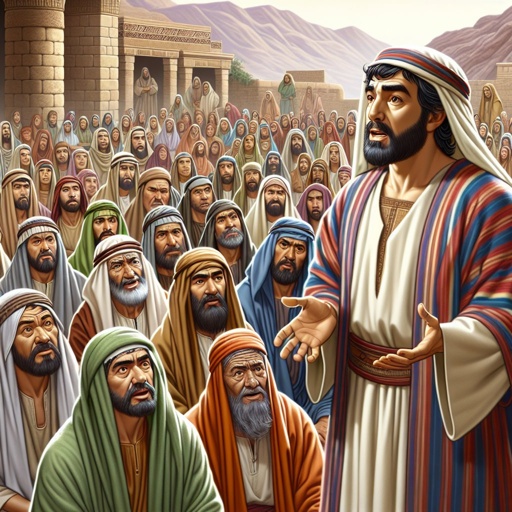
Acts 3:12 - "¶ And when Peter saw it, he answered unto the people, Ye men of Israel, why marvel ye at this? or why look ye so earnestly on us, as though by our own power or holiness we had made this man to walk?"
"¶ And when Peter saw it, he answered unto the people, Ye men of Israel, why marvel ye at this? or why look ye so earnestly on us, as though by our own power or holiness we had made this man to walk?" - Acts 3:12

Acts 12:3 - "And because he saw it pleased the Jews, he proceeded further to take Peter also. (Then were the days of unleavened bread.)"

Acts 18:12

Acts 28:12

Acts 18:12

Acts 3:16

Acts 3:16

Acts 3:16

Acts 3:16

Acts 3:6-7

Acts 3:6-7

Acts 3:6-7

Acts 3:6-7

Acts 3:6-7

Acts 4:8-12

acts 20:7-12

Acts 12:24 - "¶ But the word of God grew and multiplied."

Acts 2;2-3

acts 3 11

Acts 2:3
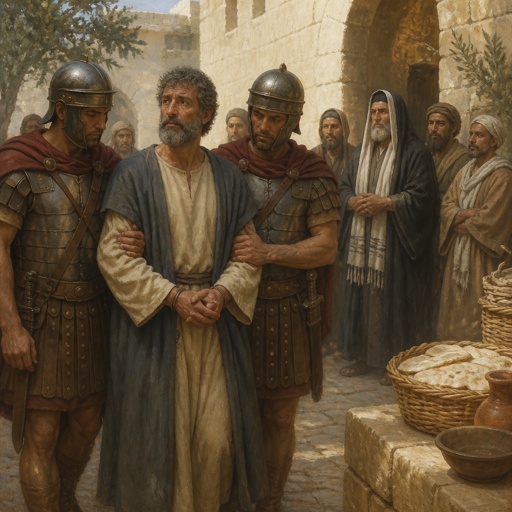
"And because he saw it pleased the Jews, he proceeded further to take Peter also. (Then were the days of unleavened bread.)" - Acts 12:3

Acts 3:3 - "Who seeing Peter and John about to go into the temple asked an alms."

Acts 12:2 - "And he killed James the brother of John with the sword."

Acts 28:12 - "And landing at Syracuse, we tarried there three days."

Acts 2:2-3

Acts 2:2-3

Acts 12:22 - "And the people gave a shout, saying, It is the voice of a god, and not of a man."

Acts 20:12 - "And they brought the young man alive, and were not a little comforted."

Acts 12:13 - "And as Peter knocked at the door of the gate, a damsel came to hearken, named Rhoda."