What does Acts 3:13 mean?
"The God of Abraham, and of Isaac, and of Jacob, the God of our fathers, hath glorified his Son Jesus; whom ye delivered up, and denied him in the presence of Pilate, when he was determined to let him go." - Acts 3:13
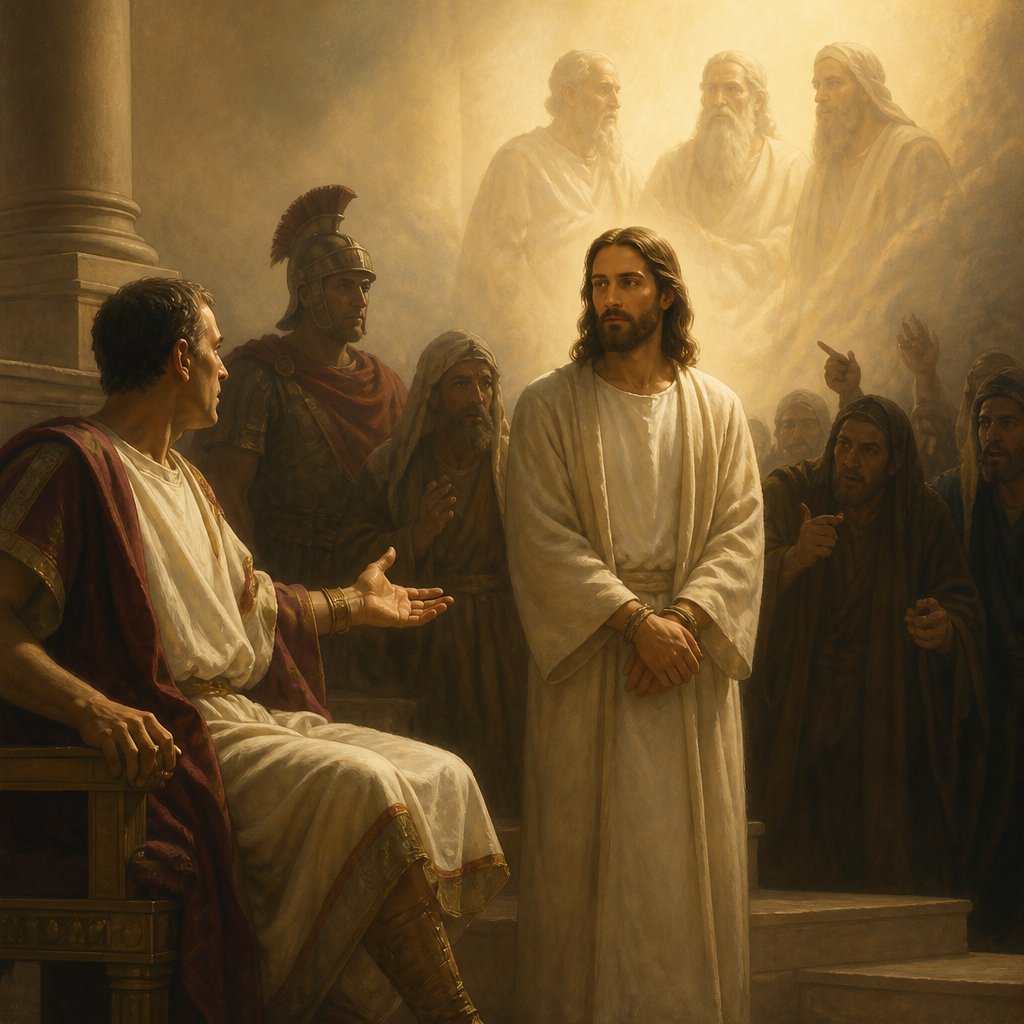
Acts 3:13 in the King James Version of the Bible reads, "The God of Abraham, and of Isaac, and of Jacob, the God of our fathers, hath glorified his Son Jesus; whom ye delivered up, and denied him in the presence of Pilate, when he was determined to let him go."
This verse comes from the New Testament, specifically the Acts of the Apostles. It is part of a larger passage in which Peter and John heal a lame man at the temple gate in Jerusalem. After the healing, Peter addresses the crowd that has gathered and uses the opportunity to preach about Jesus Christ. In this particular verse, Peter is speaking to the crowd, emphasizing the significance and authority of Jesus Christ, the Son of God.
The passage as a whole is significant because it highlights the power of Jesus and the authority given to the apostles to perform miracles in His name. In this verse, Peter is addressing the Jewish people of Jerusalem, many of whom would have been familiar with the stories of Abraham, Isaac, and Jacob, revered figures in Jewish history. By invoking the names of these patriarchs, Peter is drawing a connection between the God of their ancestors and the God who has glorified Jesus.
The first part of the verse, "The God of Abraham, and of Isaac, and of Jacob, the God of our fathers," emphasizes the continuity of God's covenant with the Jewish people. It underscores the idea that Jesus is the fulfillment of the promises made to the patriarchs and that He is the long-awaited Messiah. By referencing the God of their forefathers, Peter is reinforcing the legitimacy of Jesus' ministry and His divine authority.
The second part of the verse, "hath glorified his Son Jesus; whom ye delivered up, and denied him in the presence of Pilate, when he was determined to let him go," is a bold and direct accusation against the crowd that has gathered. Peter is not mincing words; he is pointing out the people's culpability in the crucifixion of Jesus. He is holding them accountable for their role in denying and betraying the Son of God.
This verse also serves as a reminder of the human propensity for sin and the need for repentance. The crowd's actions in delivering up and denying Jesus reflect the sinful nature of humanity and the spiritual blindness that leads to the rejection of God's grace. Despite the crowd's rejection, Peter is extending an opportunity for repentance and forgiveness by preaching the gospel of Jesus Christ to them.
The context of this verse is crucial to understanding its significance. It comes at a pivotal moment in the early Christian church, shortly after the resurrection of Jesus. The apostles, filled with the Holy Spirit, are boldly proclaiming the message of salvation to the people of Jerusalem. Through their words and their miraculous deeds, they are demonstrating the power and authority of Jesus Christ and calling the people to repentance and faith.
Symbolically, this verse represents the ongoing fulfillment of God's plan of redemption. The God of Abraham, Isaac, and Jacob, who made a covenant with His people, has now glorified His Son, Jesus Christ, as the culmination of that covenant. The rejection and crucifixion of Jesus, as referenced in the verse, are integral to the fulfillment of God's redemptive plan. Through the death and resurrection of Jesus, salvation is made available to all who believe in Him.
In conclusion, Acts 3:13 is a powerful and evocative verse that encapsulates the central themes of redemption, repentance, and the authority of Jesus Christ. It serves as a reminder of the continuity of God's covenant, the consequences of human sin, and the offer of forgiveness and salvation through faith in Jesus Christ. It is a pivotal moment in the early spread of the Christian faith and continues to carry timeless significance for believers today.
Have questions about Acts 3:13?
Dive deeper into this scripture with Bible Chat — an AI-powered tool for exploring God's Word through conversation. Ask questions, get context, and grow in your understanding of the Bible.
Get Our Apps


Acts 3:13 Artwork

Acts 3:13 - "The God of Abraham, and of Isaac, and of Jacob, the God of our fathers, hath glorified his Son Jesus; whom ye delivered up, and denied him in the presence of Pilate, when he was determined to let him go."
"The God of Abraham, and of Isaac, and of Jacob, the God of our fathers, hath glorified his Son Jesus; whom ye delivered up, and denied him in the presence of Pilate, when he was determined to let him go." - Acts 3:13

Acts 13:3 - "And when they had fasted and prayed, and laid their hands on them, they sent them away."
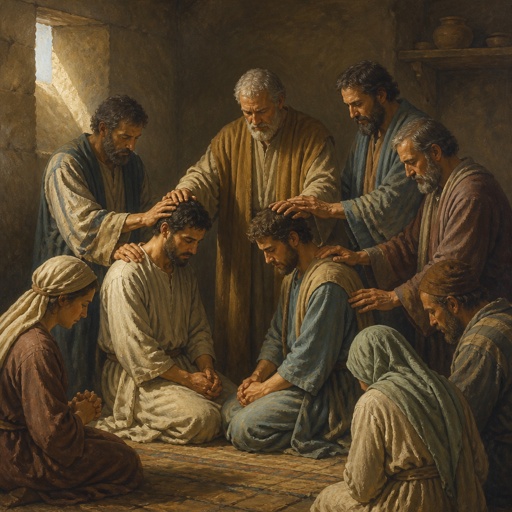
"And when they had fasted and prayed, and laid their hands on them, they sent them away." - Acts 13:3

Acts 13:43

Acts 3:16

Acts 3:16

Acts 3:16

Acts 3:16

Acts 3:6-7

Acts 3:6-7

Acts 3:6-7

Acts 3:6-7

Acts 3:6-7

acts 3 11

Acts 2;2-3

Acts 2:3

Acts 13:30 - "But God raised him from the dead:"

Acts 13:49 - "And the word of the Lord was published throughout all the region."

Acts 13:52 - "And the disciples were filled with joy, and with the Holy Ghost."

Acts 3:3 - "Who seeing Peter and John about to go into the temple asked an alms."

Acts 13:37 - "But he, whom God raised again, saw no corruption."

Acts 2:13 - "Others mocking said, These men are full of new wine."

Acts 2:2-3

Acts 2:2-3

Acts 13:13 - "Now when Paul and his company loosed from Paphos, they came to Perga in Pamphylia: and John departing from them returned to Jerusalem."

Acts 18:13 - "Saying, This fellow persuadeth men to worship God contrary to the law."

Acts 23:13 - "And they were more than forty which had made this conspiracy."

Acts 24:13 - "Neither can they prove the things whereof they now accuse me."

Acts 13:18 - "And about the time of forty years suffered he their manners in the wilderness."