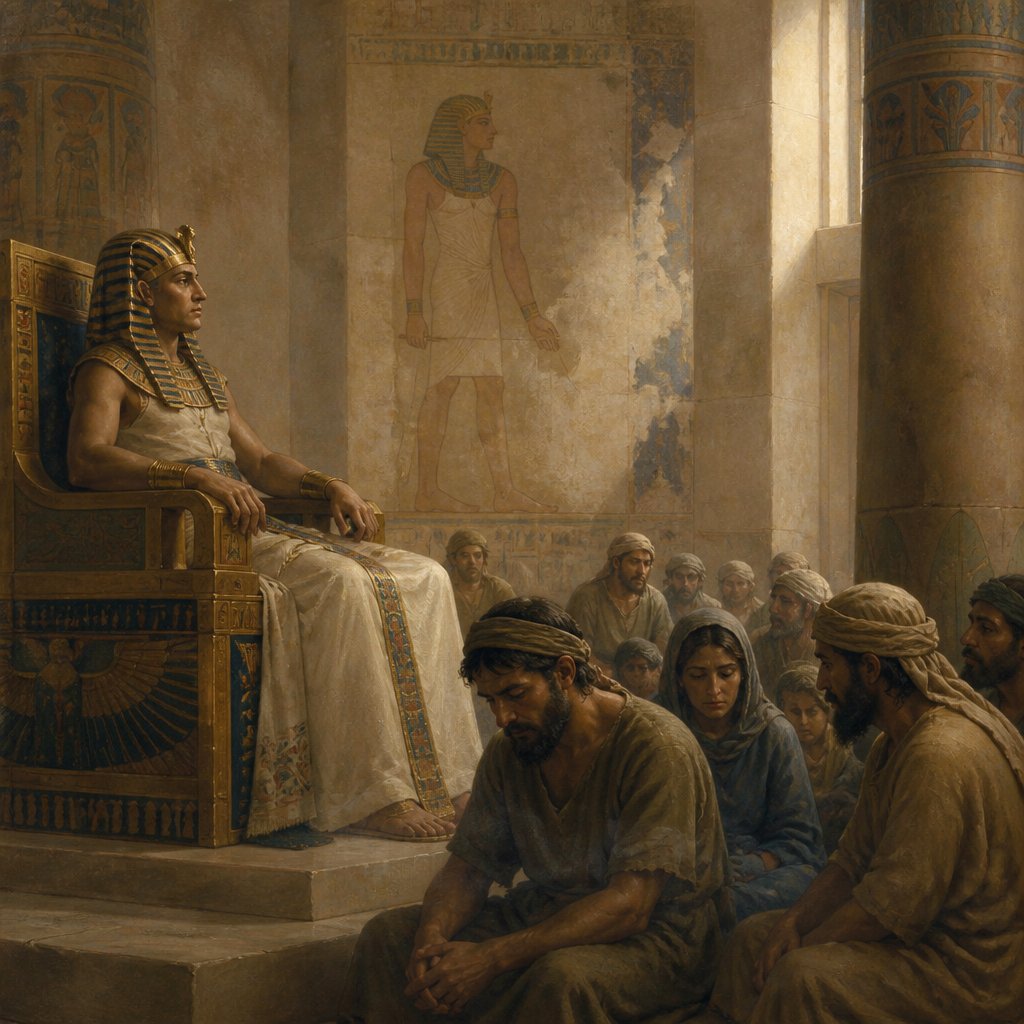
The Bible verse Acts 7:18 from the King James Version reads, "Till another king arose, which knew not Joseph." This verse is found in the book of Acts, which is the fifth book of the New Testament and is attributed to the authorship of Luke. In this particular verse, Stephen, who is one of the seven appointed to oversee the distribution of food to widows, is recounting the history of the Israelites to the Jewish council in Jerusalem. His speech ultimately leads to his martyrdom as he is stoned by the council for his faith.
To fully understand the significance of this verse, it is important to examine the broader context it fits into. Stephen's speech in Acts 7 is a powerful re-telling of the history of the Israelites, from the time of Abraham to the construction of the temple in Jerusalem. He is making the case that God has been faithfully present with His people throughout their history, even in times of hardship and oppression. However, Stephen also highlights the repeated pattern of rejection and rebellion by the Israelites, leading to their disobedience and rejection of God and His messengers. This ultimately culminates in Stephen's indictment of the council for their role in rejecting Jesus, the ultimate fulfillment of God's promises to His people.
The specific verse in question, Acts 7:18, refers to the time when Joseph, one of the twelve sons of Jacob, was in Egypt. At this time, a new pharaoh who was not familiar with Joseph's accomplishments or the favor he had gained with the previous pharaoh, came to power. This new king enslaved the Israelites and, eventually, led to the exodus under the leadership of Moses. The mention of this event in Stephen's speech serves as a reminder of the Israelites' history of oppression and deliverance, and it draws a parallel with the current rejection of Jesus by the Jewish leaders.
The theme of rejection and oppression is central to this verse and the broader context of Stephen's speech. Throughout the history of the Israelites, there is a pattern of God's chosen people being rejected and oppressed by those in power. Just as Joseph was eventually forgotten and the Israelites subjected to slavery, Stephen is drawing a direct parallel to the rejection of Jesus by the Jewish council and the oppression of the early Christian community.
Symbolically, the mention of "another king" who knew not Joseph can be seen as a representation of the broader theme of spiritual blindness and rejection of God's chosen leaders. This new king represents a turning point in the history of the Israelites, where they went from being favored and prosperous to being oppressed and marginalized. Similarly, the rejection of Jesus by the Jewish leaders signifies a turning point in the relationship between God and His chosen people, leading to a shift in the focus of God's redemptive plan toward the inclusion of all who believe in Jesus, both Jew and Gentile.
In conclusion, Acts 7:18 serves as a pivotal verse in Stephen's speech, highlighting the historical pattern of rejection and oppression faced by God's chosen people. This verse points to the broader context of spiritual blindness and the rejection of Jesus as the ultimate fulfillment of God's promises. It symbolizes a turning point in the relationship between God and His people and emphasizes the themes of rejection, oppression, and the ultimate redemption found in Jesus Christ.
Get our apps


Artwork for Acts 7:18

Acts 7:18 - "Till another king arose, which knew not Joseph."
"Till another king arose, which knew not Joseph." - Acts 7:18

Acts 18:7 - "¶ And he departed thence, and entered into a certain man's house, named Justus, one that worshipped God, whose house joined hard to the synagogue."
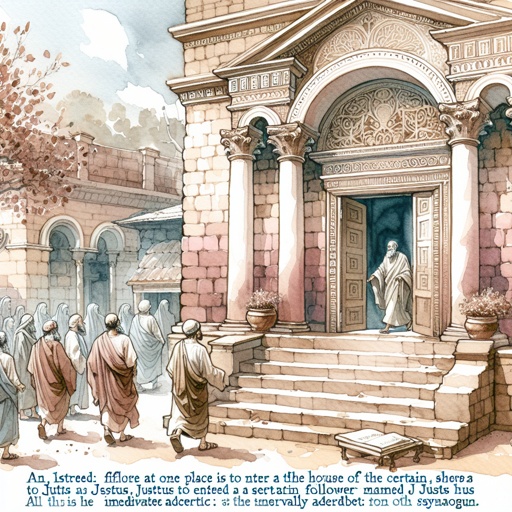
Acts 18:7 And he departed from there and entered the house of a certain man named Justus, one who worshiped God, whose house was next door to the synagogue.
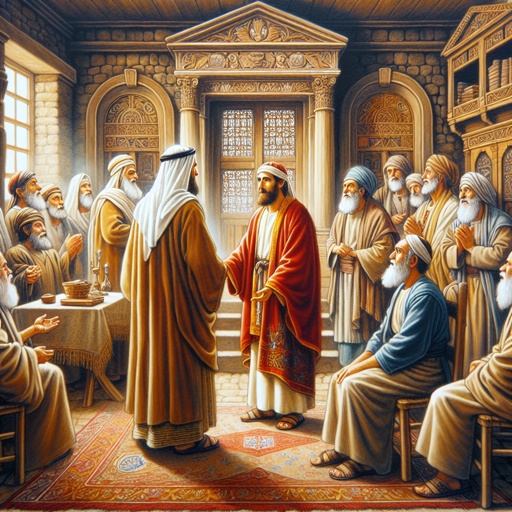
Acts 18:7 And he departed from there and entered the house of a certain man named Justus, one who worshiped God, whose house was next door to the synagogue.

Acts 18:12

Acts 18:12

Acts 3:6-7

Acts 3:6-7

Acts 3:6-7

Acts 3:6-7

Acts 3:6-7

Acts 18:16 - "And he drave them from the judgment seat."

Acts 19:18 - "And many that believed came, and confessed, and shewed their deeds."

Acts 14:7 - "And there they preached the gospel."
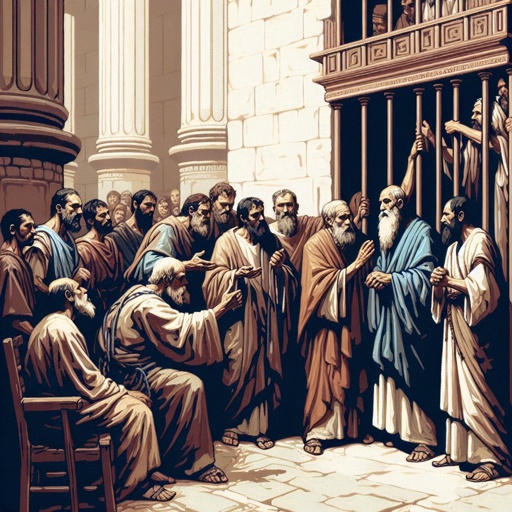
Acts 5:18 - "And laid their hands on the apostles, and put them in the common prison."
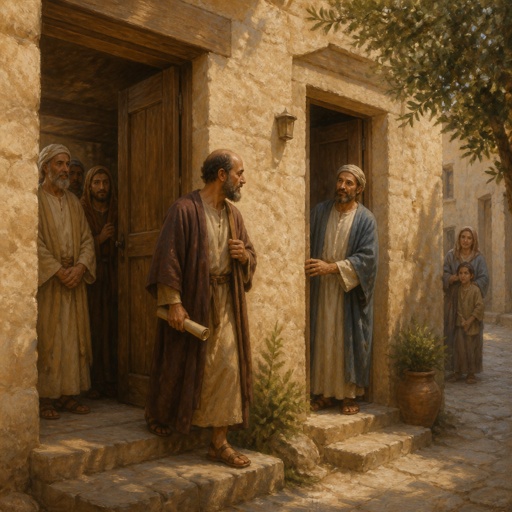
"¶ And he departed thence, and entered into a certain man's house, named Justus, one that worshipped God, whose house joined hard to the synagogue." - Acts 18:7

Acts 18:1 - "After these things Paul departed from Athens, and came to Corinth;"

Acts 18:13 - "Saying, This fellow persuadeth men to worship God contrary to the law."

acts 20:7-12

Acts 18:4 - "And he reasoned in the synagogue every sabbath, and persuaded the Jews and the Greeks."

Acts 13:18 - "And about the time of forty years suffered he their manners in the wilderness."

Acts 7:47 - "But Solomon built him an house."

2 Kings 14:18 - "And the rest of the acts of Amaziah, are they not written in the book of the chronicles of the kings of Judah?"

Acts 15:18 - "Known unto God are all his works from the beginning of the world."

Acts 18:28 - "For he mightily convinced the Jews, and that publickly, shewing by the scriptures that Jesus was Christ."

Acts 10:18 - "And called, and asked whether Simon, which was surnamed Peter, were lodged there."

Acts 14:18 - "And with these sayings scarce restrained they the people, that they had not done sacrifice unto them."

Acts 27:18 - "And we being exceedingly tossed with a tempest, the next day they lightened the ship;"

Acts 18:20 - "When they desired him to tarry longer time with them, he consented not;"