What does Acts 7:20 mean?
“In which time Moses was born, and was exceeding fair, and nourished up in his father’s house three months:” — Acts 7:20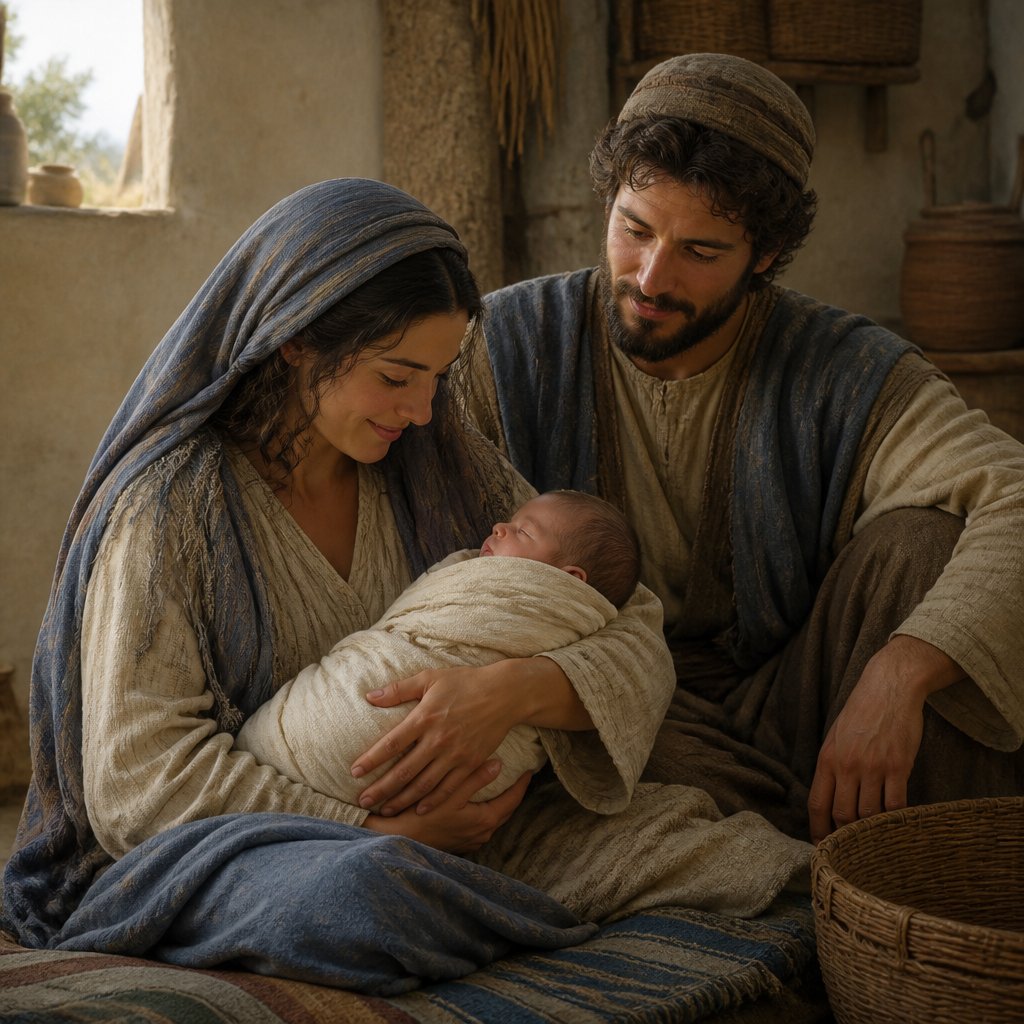
Acts 7:20 in the King James Version of the Bible reads, "In which time Moses was born, and was exceeding fair, and nourished up in his father's house three months." This verse is part of a larger passage in the book of Acts which details a speech given by the martyr Stephen before the Sanhedrin, the religious court of the Jewish people. In this speech, Stephen recounts the history of the Israelites and their relationship with God, ultimately leading to his martyrdom.
The verse refers specifically to the birth and early life of Moses, one of the most important figures in the Old Testament. Moses is known for leading the Israelites out of slavery in Egypt and for receiving the Ten Commandments from God on Mount Sinai. His story is one of great significance in the Judeo-Christian tradition, and this verse sets the stage for the events that will unfold in his life.
The first part of the verse, "In which time Moses was born," establishes the setting for the events that follow. This phrase reminds the audience that the story takes place in a specific historical context. It also serves as a transition to the next part of the verse, which focuses on the physical appearance of Moses.
The phrase "and was exceeding fair" is significant because it emphasizes Moses' exceptional beauty. This detail may seem trivial at first glance, but it serves a deeper purpose within the narrative. In many ancient cultures, including the Israelites, physical appearance was often seen as a reflection of one's inner character and worth. Therefore, by describing Moses as "exceeding fair," the author is foreshadowing his future role as a leader and savior of the Israelite people.
The final part of the verse, "and nourished up in his father's house three months," provides further insight into the early life of Moses. This detail is a reference to the actions taken by Moses' mother to protect him from Pharaoh's decree to kill all Hebrew male babies. According to the book of Exodus, Moses' mother placed him in a basket and set him adrift on the Nile River, where he was eventually found and adopted by the daughter of Pharaoh.
This act of bravery and faith by Moses' mother sets the stage for the larger themes of courage and divine providence that will be central to the rest of Moses' story. It also serves as a powerful example of maternal love and the lengths to which a parent will go to protect their child.
The verse acts as a foundational piece within the larger narrative of Moses' life and sets the stage for the subsequent events that will shape his destiny. Some of the major themes present in this verse and its surrounding context include the providence of God, the power of faith and obedience, and the importance of divine calling and purpose.
From a historical and contextual perspective, the verse also serves as a link between the stories of the Israelite people in the book of Genesis and the narrative of their liberation from slavery in the book of Exodus. It provides a bridge between the origins of the Israelites as a people and the events that will define their identity and mission.
In addition to its historical and thematic significance, the verse also holds symbolic value within the Judeo-Christian tradition. The story of Moses is often interpreted as a foreshadowing of the coming of Jesus Christ, who, like Moses, would emerge as a leader and savior of God's people. The themes of deliverance, liberation, and the providential care of God are central to both the story of Moses and the message of salvation through Jesus Christ.
Overall, Acts 7:20 is a verse of profound significance within the broader narrative of the Bible. It sets the stage for the remarkable life of Moses, highlighting themes of divine providence, courage, and the power of maternal love. It also serves as a powerful reminder of the ways in which God works through human agency to fulfill his purposes and bring about redemption and deliverance for his people.
Get our apps


Artwork for Acts 7:20

Acts 7:20 - "In which time Moses was born, and was exceeding fair, and nourished up in his father's house three months:"
"In which time Moses was born, and was exceeding fair, and nourished up in his father's house three months:" - Acts 7:20

acts 20:7-12

Acts 20:7 - "And upon the first day of the week, when the disciples came together to break bread, Paul preached unto them, ready to depart on the morrow; and continued his speech until midnight."

Acts 20:11

Acts 9:1-20

Acts 9:1-20

Acts 3:6-7

Acts 3:6-7

Acts 20:5 - "These going before tarried for us at Troas."

Acts 3:6-7

Acts 3:6-7

Acts 3:6-7

Acts 19:20 - "So mightily grew the word of God and prevailed."

Acts 20:33 - "I have coveted no man's silver, or gold, or apparel."

Acts 20:12 - "And they brought the young man alive, and were not a little comforted."

Acts 14:7 - "And there they preached the gospel."

Acts 20:17 - "¶ And from Miletus he sent to Ephesus, and called the elders of the church."

Acts 20:20 - "And how I kept back nothing that was profitable unto you, but have shewed you, and have taught you publickly, and from house to house,"

Acts 9:20 - "And straightway he preached Christ in the synagogues, that he is the Son of God."

Acts 5:20 - "Go, stand and speak in the temple to the people all the words of this life."

Acts 20:37 - "And they all wept sore, and fell on Paul's neck, and kissed him,"

Acts 20:8 - "And there were many lights in the upper chamber, where they were gathered together."

Acts 20:27 - "For I have not shunned to declare unto you all the counsel of God."

Acts 18:20 - "When they desired him to tarry longer time with them, he consented not;"

2 Kings 20:20 - "¶ And the rest of the acts of Hezekiah, and all his might, and how he made a pool, and a conduit, and brought water into the city, are they not written in the book of the chronicles of the kings of Judah?"

Acts 4:20 - "For we cannot but speak the things which we have seen and heard."

Acts 7:47 - "But Solomon built him an house."

Acts 3:20 - "And he shall send Jesus Christ, which before was preached unto you:"

Acts 20:14 - "And when he met with us at Assos, we took him in, and came to Mitylene."