What does Acts 7:26 mean?
"And the next day he shewed himself unto them as they strove, and would have set them at one again, saying, Sirs, ye are brethren; why do ye wrong one to another?" - Acts 7:26
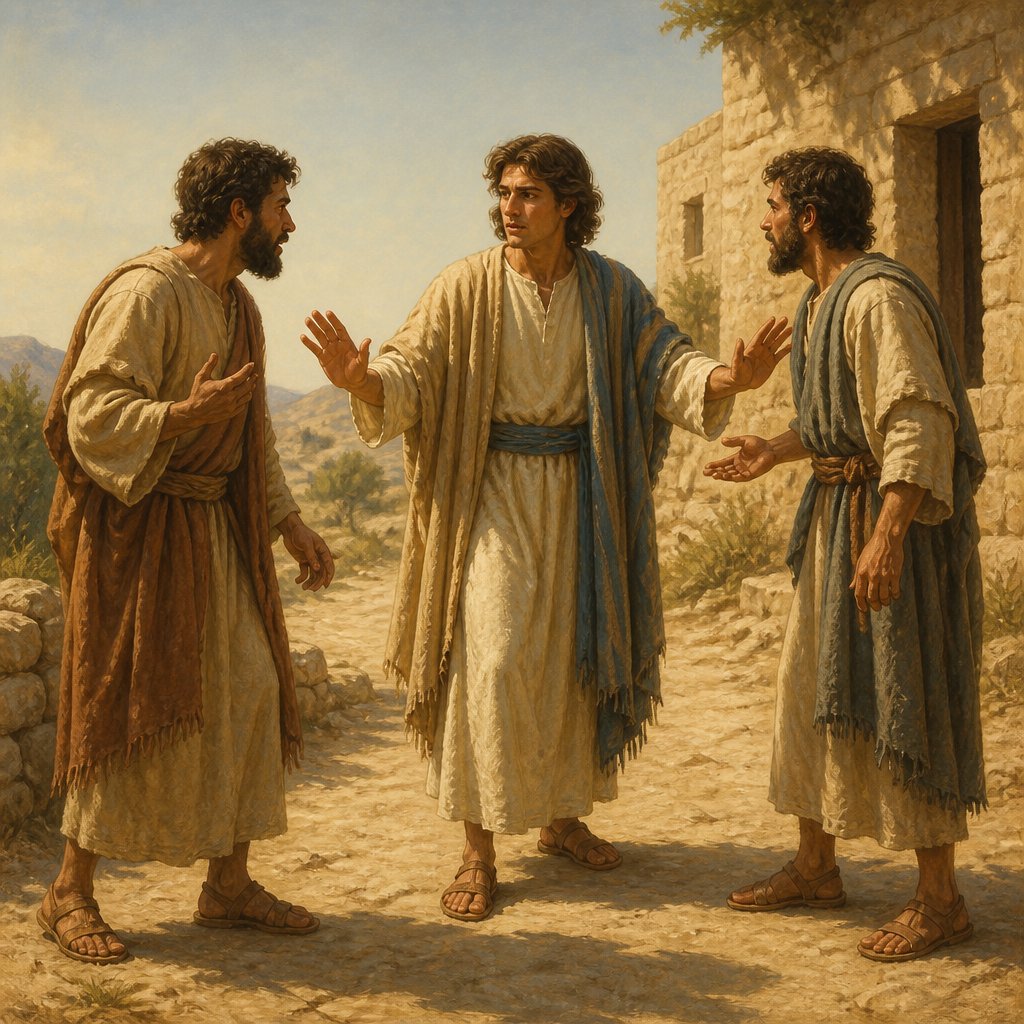
The Bible verse Acts 7:26 from the King James Version (KJV) reads, "And the next day he shewed himself unto them as they strove, and would have set them at one again, saying, Sirs, ye are brethren; why do ye wrong one to another?"
This verse comes from the Book of Acts, which is the fifth book of the New Testament. The Book of Acts is filled with the actions and teachings of the early Christian church, particularly focusing on the work of the apostles Peter and Paul. This particular verse is found within a larger passage in which Stephen, one of the early Christian leaders, is recounting the history of the Israelites and their journey from slavery in Egypt to the promised land.
The context of this verse is important in order to fully understand its meaning. In the preceding verses, Stephen is speaking to a group of religious leaders and is recounting the story of Moses and the events leading up to the establishment of the Israelite nation. In this verse, Stephen is highlighting the instance when Moses attempted to reconcile two Hebrew men who were in conflict with one another. Moses, seeing the strife between the two men, attempted to intervene and bring peace between them by reminding them of their common heritage as brethren.
There are several themes and messages in this verse that can be applied to our lives today. One of the primary themes is the importance of reconciliation and unity. In his attempt to bring peace between the two men, Moses emphasizes their shared brotherhood and encourages them to treat one another with kindness and respect. This message of reconciliation is a timeless and universal truth that speaks to the human experience of conflict and the need for forgiveness and understanding.
Another important theme in this verse is the idea of treating others with love and compassion. Moses' words to the two men, "Why do ye wrong one to another?" serve as a reminder of the importance of treating others with kindness and empathy. This call to love our neighbors and treat others as we would want to be treated is a fundamental teaching of Christianity and is exemplified in this verse.
Symbolism can also be found in this verse, particularly in the character of Moses. In the biblical narrative, Moses is revered as a great leader and prophet who led the Israelites out of slavery in Egypt. His actions in attempting to reconcile the two men serve as a symbol of his compassion and desire for peace among his people. Additionally, Moses' role as a mediator between God and the Israelites is echoed in his attempt to mediate the conflict between the two men, further emphasizing his leadership and wisdom.
In conclusion, Acts 7:26 from the King James Version of the Bible contains a powerful message about reconciliation, unity, and treating others with love and compassion. The verse serves as a timeless reminder of the importance of seeking peace and understanding in our relationships with others. The themes and symbolism present in this verse provide valuable insights that can be applied to our lives today, making it a compelling and thought-provoking passage within the larger narrative of the Book of Acts.
Have questions about Acts 7:26?
Dive deeper into this scripture with Bible Chat — an AI-powered tool for exploring God's Word through conversation. Ask questions, get context, and grow in your understanding of the Bible.
Get Our Apps


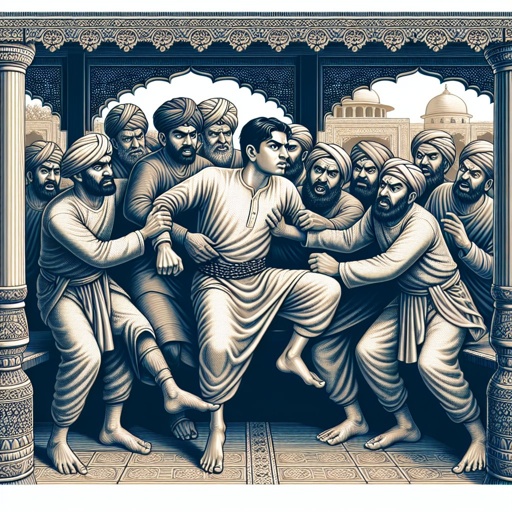
Acts 7:26 Artwork
Acts 7:26 - "And the next day he shewed himself unto them as they strove, and would have set them at one again, saying, Sirs, ye are brethren; why do ye wrong one to another?"
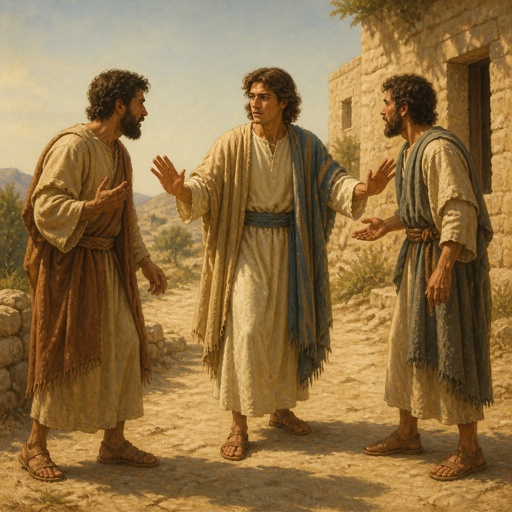
"And the next day he shewed himself unto them as they strove, and would have set them at one again, saying, Sirs, ye are brethren; why do ye wrong one to another?" - Acts 7:26
Acts 26:7 - "Unto which promise our twelve tribes, instantly serving God day and night, hope to come. For which hope's sake, king Agrippa, I am accused of the Jews."

Acts 27:26 - "Howbeit we must be cast upon a certain island."

Acts 26:26 - "For the king knoweth of these things, before whom also I speak freely: for I am persuaded that none of these things are hidden from him; for this thing was not done in a corner."

Acts 3:6-7

Acts 3:6-7

Acts 26:19 - "Whereupon, O king Agrippa, I was not disobedient unto the heavenly vision:"

Acts 26:27 - "King Agrippa, believest thou the prophets? I know that thou believest."

Acts 3:6-7

Acts 3:6-7

Acts 3:6-7

Acts 15:26 - "Men that have hazarded their lives for the name of our Lord Jesus Christ."

Acts 23:26 - "Claudius Lysias unto the most excellent governor Felix sendeth greeting."
Acts 26:21 - "For these causes the Jews caught me in the temple, and went about to kill me."

Acts 26:28 - "Then Agrippa said unto Paul, Almost thou persuadest me to be a Christian."

Acts 26:12 - "Whereupon as I went to Damascus with authority and commission from the chief priests,"

Acts 26:8 - "Why should it be thought a thing incredible with you, that God should raise the dead?"

Proverbs 7:26

Acts 1:26 - "And they gave forth their lots; and the lot fell upon Matthias; and he was numbered with the eleven apostles."

Acts 14:7 - "And there they preached the gospel."

Acts 26:6 - "And now I stand and am judged for the hope of the promise made of God unto our fathers:"

Acts 26:30 - "And when he had thus spoken, the king rose up, and the governor, and Bernice, and they that sat with them:"

Acts 10:26 - "But Peter took him up, saying, Stand up; I myself also am a man."

2 Chronicles 35:26 - "Now the rest of the acts of Josiah, and his goodness, according to that which was written in the law of the LORD,"

Acts 26:17 - "Delivering thee from the people, and from the Gentiles, unto whom now I send thee,"

acts 20:7-12

2 Chronicles 25:26 - "Now the rest of the acts of Amaziah, first and last, behold, are they not written in the book of the kings of Judah and Israel?"

Acts 4:26 - "The kings of the earth stood up, and the rulers were gathered together against the Lord, and against his Christ."

Acts 26:25 - "But he said, I am not mad, most noble Festus; but speak forth the words of truth and soberness."