What does Acts 7:39 mean?
“To whom our fathers would not obey, but thrust him from them, and in their hearts turned back again into Egypt,” — Acts 7:39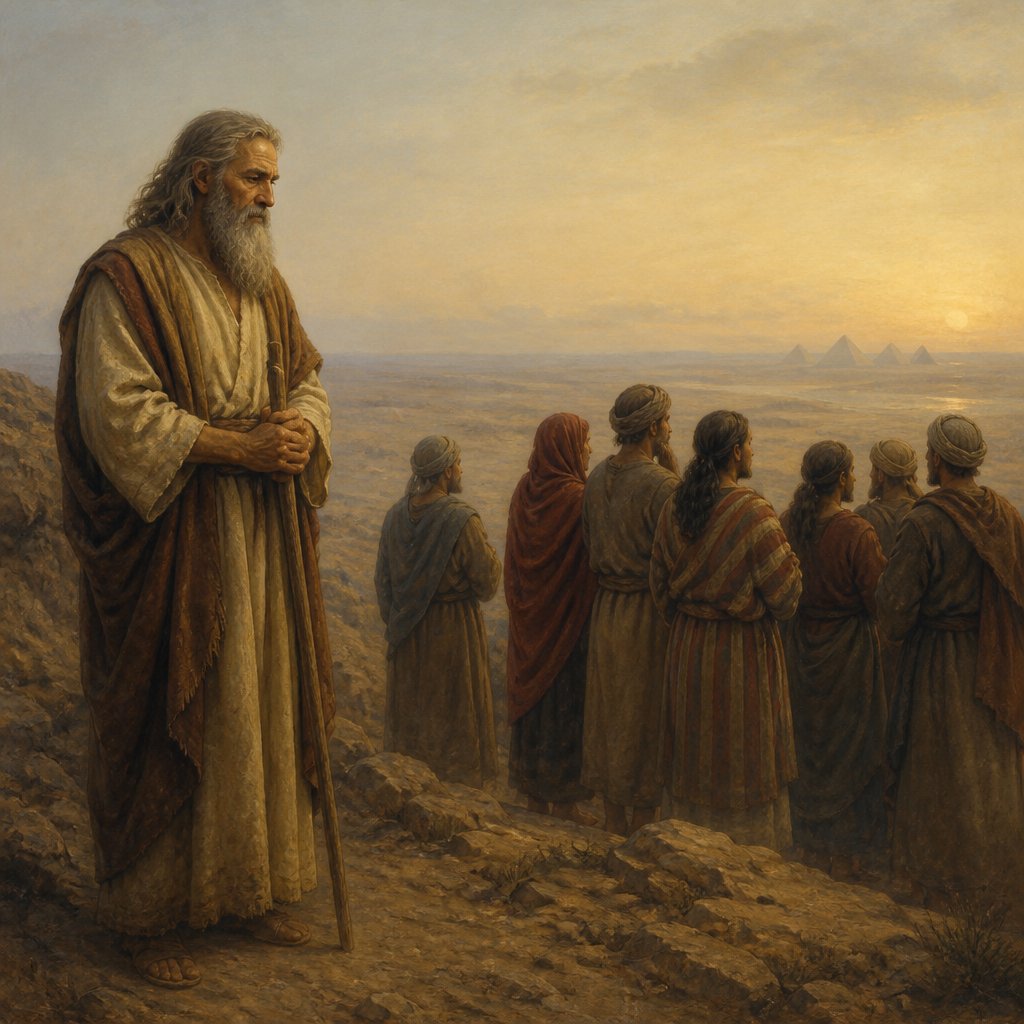
The verse Acts 7:39 in the King James Version of the Bible reads, "To whom our fathers would not obey, but thrust him from them, and in their hearts turned back again into Egypt." This verse is part of a larger passage in the book of Acts, spoken by Stephen, who was one of the seven deacons appointed to serve the early Christian community.
In order to fully understand the meaning and implications of this verse, it is important to examine the context in which it is found. In Acts 7, Stephen is giving a powerful speech before the Jewish council, addressing the history of the Israelites and their relationship with God. He begins by recounting the story of Moses and the Israelites' escape from Egypt, and he highlights the disobedience and unfaithfulness of the Israelites throughout their history.
In Acts 7:39, Stephen is specifically referring to the Israelites' rejection of Moses as their leader and deliverer. Despite the fact that Moses had been chosen by God to lead them out of slavery in Egypt and into the Promised Land, the Israelites rebelled against his authority and longed to return to the familiar comforts of Egypt. This act of defiance and ingratitude towards both God and their appointed leader was a recurring pattern in the history of the Israelites, as Stephen illustrates in his speech.
The phrase "thrust him from them" indicates the Israelites' active rejection and opposition to the leadership of Moses. This demonstrates their lack of faith and their failure to trust in God's providence and guidance. Instead of embracing the freedom and divine purpose that awaited them in the Promised Land, the Israelites allowed fear, doubt, and nostalgia for their former lives in Egypt to cloud their judgment and lead them astray. Their longing to return to Egypt symbolizes a yearning for the security and comfort of their past bondage, rather than embracing the uncertain but ultimately fulfilling path that God had set before them.
The verse also speaks to the human tendency to resist change and cling to what is familiar, even if it means foregoing the blessings and promises that God has in store. The Israelites' choice to turn back to Egypt reflects a lack of courage and spiritual fortitude, as well as a failure to heed the warnings and instructions of their appointed leader, Moses.
From a broader theological perspective, Acts 7:39 serves as a cautionary tale and a reminder of the consequences of disobedience and faithlessness. The Israelites' refusal to obey God and accept His appointed leader resulted in forty years of wandering in the wilderness, wherein many of them perished and forfeited the opportunity to enter the Promised Land. This narrative serves as a sobering example of the destructive power of rebellion and the importance of trusting in God's wisdom and providence.
In conclusion, Acts 7:39 offers a poignant portrayal of the Israelites' rejection of Moses and their longing to return to Egypt, symbolizing the human tendency to resist change, prioritize comfort over faith, and rebel against divine leadership. This verse serves as a warning against disobedience and a call to trust in God's guidance and provision, even in the face of uncertainty and challenges. It challenges us to consider our own inclinations towards faithlessness and to embrace the path of obedience and trust in God's will for our lives.
Get our apps


Artwork for Acts 7:39

Acts 7:39 - "To whom our fathers would not obey, but thrust him from them, and in their hearts turned back again into Egypt,"
"To whom our fathers would not obey, but thrust him from them, and in their hearts turned back again into Egypt," - Acts 7:39

John 7:37-39

John 7:37-39

Acts 16:39 - "And they came and besought them, and brought them out, and desired them to depart out of the city."

Acts 19:39 - "But if ye enquire any thing concerning other matters, it shall be determined in a lawful assembly."

Acts 5:39 - "But if it be of God, ye cannot overthrow it; lest haply ye be found even to fight against God."

Acts 13:39 - "And by him all that believe are justified from all things, from which ye could not be justified by the law of Moses."

1 Chronicles 7:39 - "And the sons of Ulla; Arah, and Haniel, and Rezia."

Acts 27:39 - "And when it was day, they knew not the land: but they discovered a certain creek with a shore, into the which they were minded, if it were possible, to thrust in the ship."

Acts 2:39 - "For the promise is unto you, and to your children, and to all that are afar off, even as many as the Lord our God shall call."

Acts 10:39 - "And we are witnesses of all things which he did both in the land of the Jews, and in Jerusalem; whom they slew and hanged on a tree:"

Psalms 39:7 - "And now, Lord, what wait I for? my hope is in thee."

Acts 15:39 - "And the contention was so sharp between them, that they departed asunder one from the other: and so Barnabas took Mark, and sailed unto Cyprus;"

Nehemiah 7:39 - "¶ The priests: the children of Jedaiah, of the house of Jeshua, nine hundred seventy and three."

Job 39:7 - "He scorneth the multitude of the city, neither regardeth he the crying of the driver."

Numbers 7:39 - "One young bullock, one ram, one lamb of the first year, for a burnt offering:"

"And when they were come up out of the water, the Spirit of the Lord caught away Philip, that the eunuch saw him no more: and he went on his way rejoicing." - Acts 8:39

Acts 8:39 - "And when they were come up out of the water, the Spirit of the Lord caught away Philip, that the eunuch saw him no more: and he went on his way rejoicing."

Jeremiah 39:7 - "Moreover he put out Zedekiah's eyes, and bound him with chains, to carry him to Babylon."

Acts 3:6-7

Acts 3:6-7

Acts 3:6-7

Acts 3:6-7

Acts 3:6-7

1 Kings 22:39 - "Now the rest of the acts of Ahab, and all that he did, and the ivory house which he made, and all the cities that he built, are they not written in the book of the chronicles of the kings of Israel?"

Acts 21:39 - "But Paul said, I am a man which am a Jew of Tarsus, a city in Cilicia, a citizen of no mean city: and, I beseech thee, suffer me to speak unto the people."

Exodus 39:7 - "And he put them on the shoulders of the ephod, that they should be stones for a memorial to the children of Israel; as the LORD commanded Moses."

"And the sons of Ulla; Arah, and Haniel, and Rezia." - 1 Chronicles 7:39

Acts 14:7 - "And there they preached the gospel."