
The Bible verse Acts 7:50 from the King James Version (KJV) reads:
"Hath not my hand made all these things?"
This verse comes from the speech of Stephen, one of the first Christian martyrs, as he defends his faith before the Sanhedrin. Stephen's speech in Acts 7 is a powerful retelling of the history of Israel and a condemnation of the Jewish leaders' rejection of Jesus as the Messiah. In this particular verse, Stephen is quoting from the Old Testament, specifically from the prophet Isaiah, to emphasize that God is the creator of all things.
The theme of God as the ultimate creator is central to the Christian faith and is a recurring theme throughout the Bible. In the book of Genesis, the very first verse states, "In the beginning, God created the heavens and the earth." This theme is reiterated in the Psalms, the prophet Isaiah, and the New Testament writings, serving as a reminder that everything in existence is a result of God's handiwork.
The context of Acts 7:50 is important to understanding the significance of Stephen's words. He is addressing the Jewish religious leaders who have accused him of blasphemy and have been hostile towards his preaching about Jesus. By invoking the words of Isaiah, Stephen is challenging the leaders to consider the greatness of the God they claim to worship. He is reminding them that God is the creator of all things, and that they should recognize and honor His sovereignty.
The use of the phrase "Hath not my hand made all these things?" is symbolic of God's power and authority. It serves as a reminder that everything in the universe, from the heavens to the earth, was brought into existence by God's hand. This concept is not just a historical or intellectual truth, but a deeply personal and spiritual reality for believers. It speaks to the awe and reverence that we should have for the Creator and sustainer of all things.
Furthermore, by quoting from Isaiah, Stephen is also calling attention to the prophetic tradition within Judaism. In the book of Isaiah, the prophet speaks of God's sovereignty over the nations and His role as the creator of all things. By invoking this prophetic tradition, Stephen is emphasizing that his message about Jesus as the Messiah is in continuity with the Jewish scriptures. He is not preaching something new or heretical, but rather fulfilling the promises and prophecies of the Old Testament.
In conclusion, Acts 7:50 in the King James Version is a powerful reminder of God's creative power and sovereignty. It is a part of Stephen's impassioned defense of his faith and serves as a challenge to his audience to recognize the greatness of the God they claim to worship. The verse is a symbol of God's authority and serves as a reminder of the continuity between the Old Testament and the message of Jesus as the Messiah. It is a verse that not only speaks to the historical and theological truths of the Christian faith, but also to the deeply personal and spiritual reality of our relationship with the Creator.
Get our apps


Artwork for Acts 7:50

Acts 7:50 - "Hath not my hand made all these things?"

"Hath not my hand made all these things?" - Acts 7:50

Luke 7:50

Luke 7:50

Luke 7:36–50

Luke 7:36-50

Isaiah 50:7–9

Numbers 7:50 - "One golden spoon of ten shekels, full of incense:"

Nehemiah 7:50 - "The children of Reaiah, the children of Rezin, the children of Nekoda,"

John 7:50 - "Nicodemus saith unto them, (he that came to Jesus by night, being one of them,)"
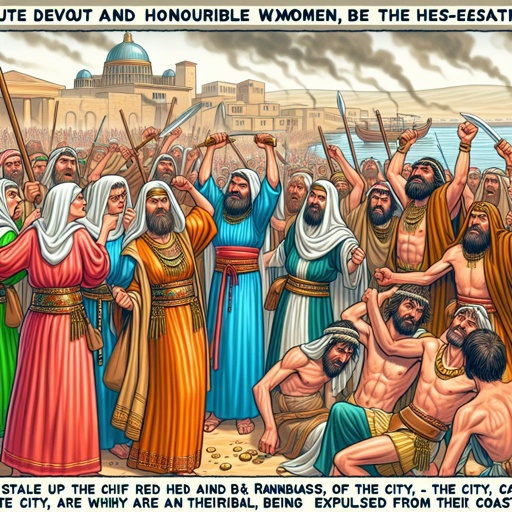
Acts 13:50 - "But the Jews stirred up the devout and honourable women, and the chief men of the city, and raised persecution against Paul and Barnabas, and expelled them out of their coasts."

Luke 7:50 - "And he said to the woman, Thy faith hath saved thee; go in peace."

"The children of Reaiah, the children of Rezin, the children of Nekoda," - Nehemiah 7:50

"One golden spoon of ten shekels, full of incense:" - Numbers 7:50

Genesis 50:7 - "¶ And Joseph went up to bury his father: and with him went up all the servants of Pharaoh, the elders of his house, and all the elders of the land of Egypt,"

Acts 3:6-7

Acts 3:6-7

Acts 3:6-7

Acts 3:6-7

Acts 3:6-7

Psalms 50:7 - "Hear, O my people, and I will speak; O Israel, and I will testify against thee: I am God, even thy God."

1 Kings 7:50 - "And the bowls, and the snuffers, and the basons, and the spoons, and the censers of pure gold; and the hinges of gold, both for the doors of the inner house, the most holy place, and for the doors of the house, to wit, of the temple."

Isaiah 50:7 - "¶ For the Lord GOD will help me; therefore shall I not be confounded: therefore have I set my face like a flint, and I know that I shall not be ashamed."

"And he said to the woman, Thy faith hath saved thee; go in peace." - Luke 7:50

Acts 14:7 - "And there they preached the gospel."

Jeremiah 50:7 - "All that found them have devoured them: and their adversaries said, We offend not, because they have sinned against the LORD, the habitation of justice, even the LORD, the hope of their fathers."

acts 20:7-12
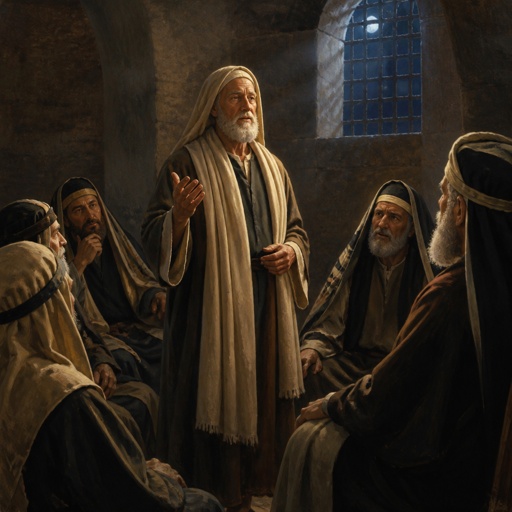
"Nicodemus saith unto them, (he that came to Jesus by night, being one of them,)" - John 7:50

Acts 7:47 - "But Solomon built him an house."

Acts 7:1 - "Then said the high priest, Are these things so?"